YCM TC-26
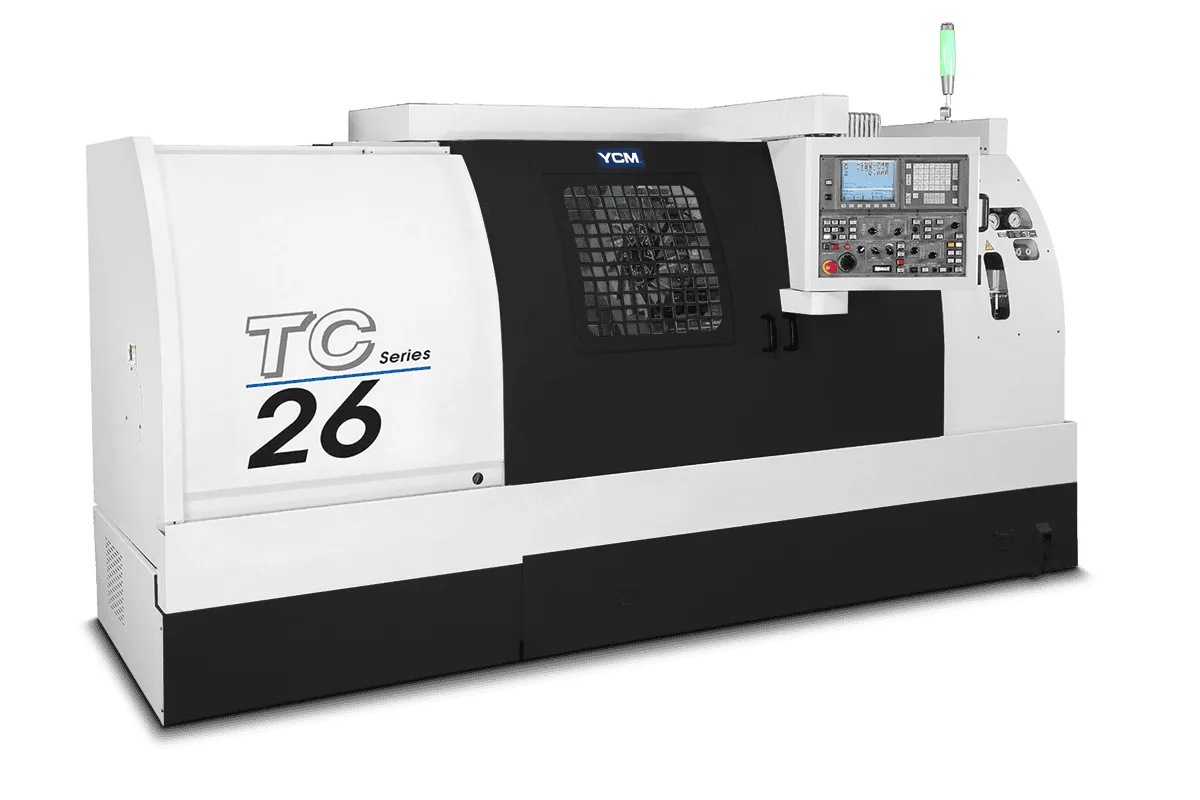
Image: ycmcnc.com, YCM
Key Specifications
Max Spindle
Spindle Power
Max Turn Length
max turning diameter
chuck size
spindle nose
How much does the YCM TC-26 cost?
Price estimate
We do not have a price for the YCM TC-26 that we can stand behind, so we show no number. Configuration, options and installation move the final price a long way: a quote is the reliable figure.
Overview
The YCM TC-26 is a geared-headstock turning center: a two-range spindle that goes from 8 rpm at the bottom of low gear to 4,000 rpm at the top of high gear with the 10" chuck. It turns up to ø470 mm (ø18.5 in) in diameter, with a turning length the table gives as 647 mm and, in brackets, 638 mm.
Gears are fitted for torque. YCM states that the built-in gear headstock reaches a maximum output torque of 74.5kgf-m, a figure a direct belt drive with an 11/15 kW (15/20 HP) motor could not approach. The spindle runs in angular contact ball bearings and NN series roller bearings, with a ø88 mm (ø3.46 in) through hole and ø78 mm (ø3.07 in) through the draw bar. A 12" chuck is the listed alternative; with it the high range is limited to 2,500 rpm.
The ways match the headstock. X and Z slide on hardened and ground guideways lined with Turcite-B on a one-piece 45° slant bed, so rapids are moderate, 15 m/min in X and 20 m/min in Z. The 12-station hydraulic turret indexes by absolute detection and clamps on a large curvic coupling. An 8-station turret is optional.
A programmable tailstock, positioned by M code using a hydraulic hook, has an MT-5 quill with 530 mm (20.87 in) of stroke. The machine weighs 4,400 kg (9,700 lb), light for its swing. The TC-26 fits shops that turn large-diameter steel and cast iron at low speed and want torque before speed.
Full Specifications
| Parameter | Value |
|---|---|
| Max Turning Diameter | ø470 mm (ø18.5 in) |
| Max Turning Length | 647 (638) mm |
| Chuck Size | 10" (12") |
| Spindle Nose | A2-8 |
| Spindle Bore | ø88 mm (ø3.46 in) |
| Hole Through Draw Bar | ø78 mm (ø3.07 in) |
| Max Spindle Speed | 10" L: 8~195~783 H: 40~1,007~4,000; 12" L: 8~195~783 H: 40~1,007~2,500 rpm |
| X Axis Travel | 250 (235+15) mm |
| Z Axis Travel | 700 mm (27.56 in) |
| X Axis Rapid Traverse | 15 m/min |
| X Axis Cutting Feed Rate | 1~5,000 mm/min (0.04~196.85 ipm) |
| Z Axis Rapid Traverse | 20 m/min |
| Z Axis Cutting Feed Rate | 1~5,000 mm/min (0.04~196.85 ipm) |
| Spindle Motor Power | 11/15 kW (15/20 HP) |
| Turret Type | Hydraulic Turret |
| Turret Stations | 12 stations; opt. 8 stations |
| Swing Over Turret | ø640 mm (ø25.2 in) |
| Tailstock Quill Taper | MT-5 |
| Tailstock Quill Stroke | 530 mm (20.87 in) |
| Machine Weight | 4,400 kg (9,700 lb) |
Specifications sourced from ycmcnc.com — verified 2026-10-05
Strengths & Limitations
Strengths
- Geared headstock with a maximum output torque of 74.5kgf-m
- Spindle speed range from 8 rpm to 4,000 rpm with the 10" chuck
- Maximum turning diameter of ø470 mm (ø18.5 in)
- Hardened and ground slideways with Turcite-B on a one-piece 45° slant bed
- Programmable tailstock with a 530 mm (20.87 in) quill stroke
Limitations
- Rapids are 15 m/min in X and 20 m/min in Z
- Motor power is 11/15 kW (15/20 HP)
- With the 12" chuck the top speed falls to 2,500 rpm
- The two turning length figures, 647 and 638 mm, are not explained on the page
Best For
Frequently Asked Questions
01
With the 10" chuck the table lists a low range of 8~195~783 and a high range of 40~1,007~4,000 rpm. With the 12" chuck the low range is the same and the high range ends at 2,500 rpm. The ranges come from built-in gears in the headstock.
02
YCM states that the spindle with built-in gears reaches a maximum output torque of 74.5kgf-m. The main spindle motor is listed at 11/15 kW (15/20 HP), so the torque comes from the gear reduction.
03
Maximum turning diameter is ø470 mm (ø18.5 in) and swing over the turret is ø640 mm (ø25.2 in). Z travel is 700 mm (27.56 in). The spindle bore is ø88 mm (ø3.46 in) and the draw bar hole is ø78 mm (ø3.07 in).
04
A hydraulic turret with 12 stations as standard and 8 stations as an option. YCM says indexing uses absolute detection to avoid tool selection mistakes, and that a large diameter curvic coupling gives rigidity in the cut.
More from YCM
Other CNC Lathes / Turning Centers
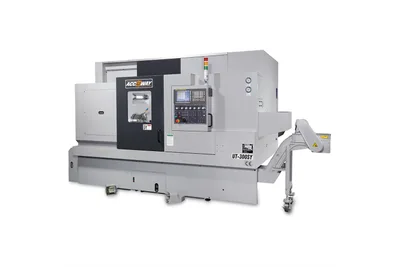
Accuway UT-300SY
Johnford ST-40B
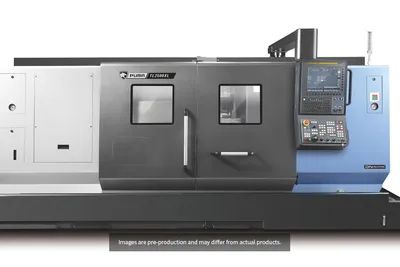
DN Solutions PUMA TL 2500 L
Hardinge Elite 51 MS
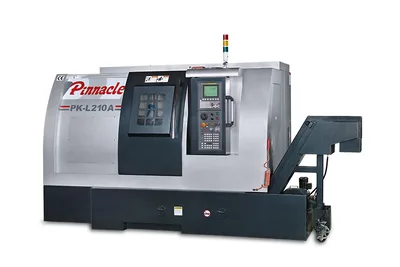
Pinnacle L210D