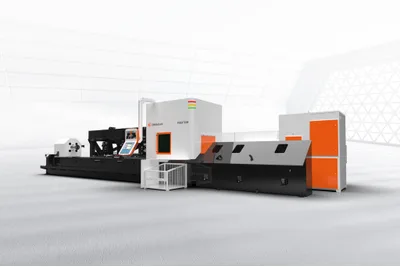
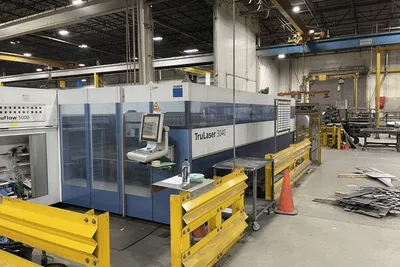
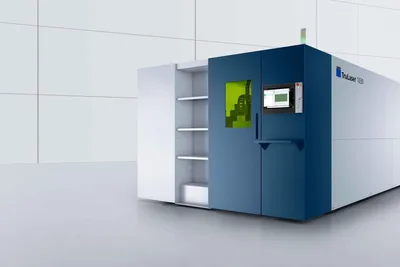
Trumpf TruLaser 3000 Bevel Cut Edition
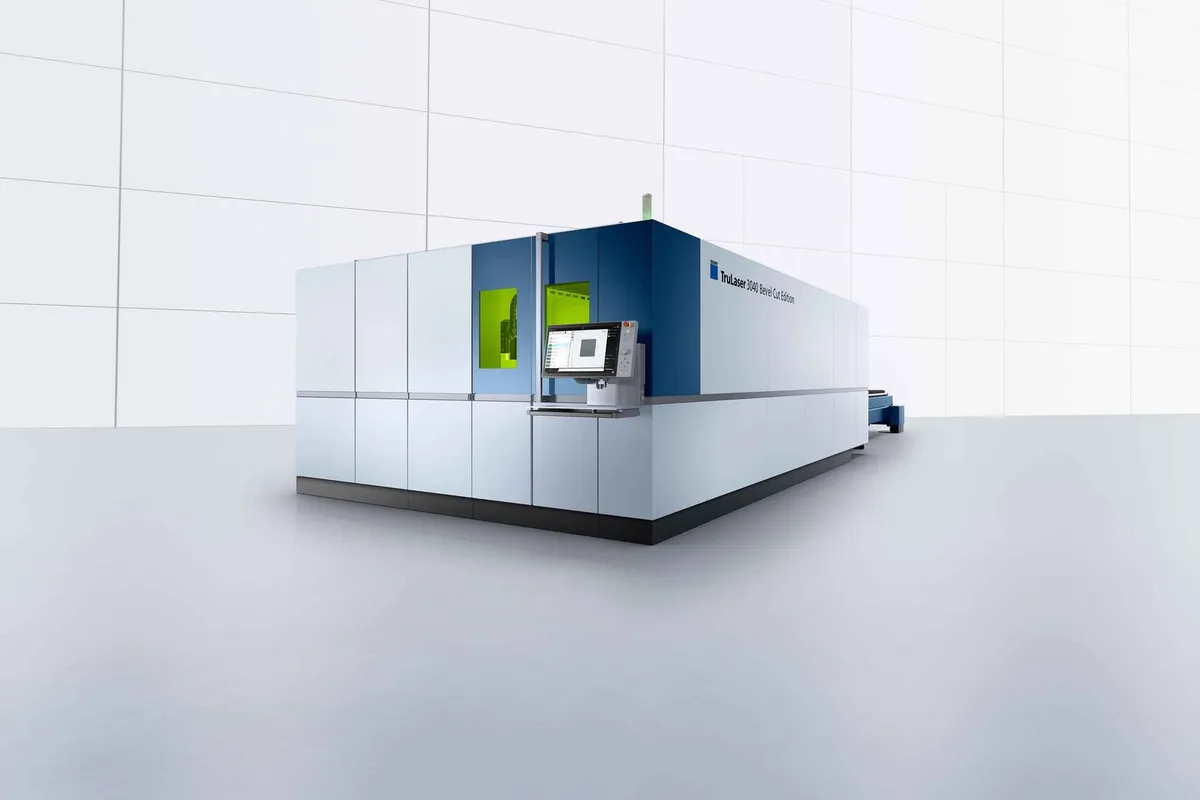
Image: trumpf.com, Trumpf
Key Specifications
working area 3040 standard
working area 3040 bevel 50deg
working area 3060 standard
working area 3060 bevel 50deg
working area 3080 standard
working area 3080 bevel 50deg
How much does the Trumpf TruLaser 3000 Bevel Cut Edition cost?
Estimated price range
Our best estimate for a cnc laser cutting machine in this class — not a quote from Trumpf. Configuration moves it a long way.
Overview
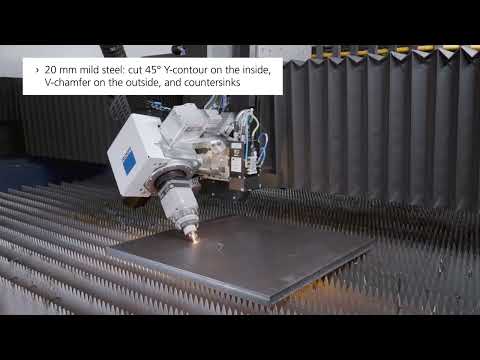
The Trumpf TruLaser 3000 Bevel Cut Edition is a flatbed fiber laser that cuts bevels of up to +/- 50 degrees with a TruFiber 12001 (12 kW) source, and it is listed in three bed sizes. Unlike an ordinary flatbed, each size has two working areas in the table: one for vertical cutting and a smaller one for when the head is tilted to the full 50 degrees.
On the TruLaser 3040 size the standard working area is 4,002 x 2,099 mm, shrinking to 3,355 x 1,600 mm at a 50 degree bevel. The TruLaser 3060 size goes from 6,067 x 2,576 mm to 5,420 x 2,077 mm, and the TruLaser 3080 size from 8,037 x 2,576 mm to 7,470 x 2,077 mm. A tilted head cannot reach the outer margin of the bed, so beveled parts have to be nested inside the smaller rectangle while square-edged parts can use the whole sheet. When sizing the machine, start from the largest beveled part you make, not from your sheet format.
Thickness follows the same split. Cutting vertically, the machine is listed at 30 mm (1.18 in) in mild steel and 40 mm (1.57 in) in stainless steel, or 35 mm and 50 mm with the thick-sheet package. Aluminum is 30 mm (1.18 in), copper and brass 12.7 mm (0.50 in). At a 50 degree bevel the mild steel figure is 15 mm (0.59 in), half the vertical one, because a tilted beam travels a longer path through the plate. The table also has a 10 mm stainless steel row that carries no qualifier. It contradicts the 40 mm vertical figure unless it refers to bevel cutting, so confirm with Trumpf what it covers.
Positioning speed is 170 m/min (simultaneous) and average power consumption 16 kW. The bevel head does not replace the standard functions: Trumpf states that in vertical cutting the other TruLaser Series 3000 functions, such as Highspeed Eco, CoolLine or EdgeLine Bevel, can still be used.
Full Specifications
| Parameter | Value |
|---|---|
| Working Area 3040 Standard | 4,002 x 2,099 mm |
| Working Area 3040 Bevel 50deg | 3,355 x 1,600 mm |
| Working Area 3060 Standard | 6,067 x 2,576 mm |
| Working Area 3060 Bevel 50deg | 5,420 x 2,077 mm |
| Working Area 3080 Standard | 8,037 x 2,576 mm |
| Working Area 3080 Bevel 50deg | 7,470 x 2,077 mm |
| Laser Type | TruFiber 12001 (12 kW) |
| Max Bevel Angle | +/- 50 degrees |
| Max Thickness Mild Steel Standard | 30 mm (1.18 in); 35 mm with thick-sheet package |
| Max Thickness Stainless Steel Standard | 40 mm (1.57 in); 50 mm with thick-sheet package |
| Max Thickness Aluminum Standard | 30 mm (1.18 in) |
| Max Thickness Copper | 12.7 mm (0.50 in) |
| Max Thickness Brass | 12.7 mm (0.50 in) |
| Max Thickness Mild Steel Bevel 50deg | 15 mm (0.59 in) |
| Max Positioning Speed | 170 m/min (simultaneous) |
| Avg Power Consumption | 16 kW |
| Simultaneous | 170 m/min |
| X Axis | 3355 mm |
| Y Axis | 1600 mm |
| Maximum Laser Power | 12000 W |
| Maximum Sheet Thickness Mild Steel | 15 mm |
| Maximum Sheet Thickness Stainless Steel | 10 mm |
| Maximum Sheet Thickness Aluminum | 30 mm |
| Maximum Sheet Thickness Copper | 12.7 mm |
| Maximum Sheet Thickness Brass | 12.7 mm |
| Universal 2d Laser Cutting Machines | In vertical cutting, you can also use all the other functions of the TruLaser Series 3000, such as Highspeed Eco, CoolLine or EdgeLine Bevel. |
Specifications sourced from trumpf.com — verified 2026-10-03
Strengths & Limitations
Strengths
- Bevel cuts up to +/- 50 degrees from a TruFiber 12001 (12 kW) laser
- Three bed sizes, with standard working areas from 4,002 x 2,099 mm to 8,037 x 2,576 mm
- Vertical cutting capacity of 30 mm (1.18 in) in mild steel and 40 mm (1.57 in) in stainless steel, rising to 35 mm and 50 mm with the thick-sheet package
- Positioning speed of 170 m/min (simultaneous)
- Highspeed Eco, CoolLine and EdgeLine Bevel remain usable in vertical cutting
Limitations
- At a 50 degree bevel the working area shrinks, for example from 4,002 x 2,099 mm to 3,355 x 1,600 mm on the TruLaser 3040 size
- Mild steel capacity at a 50 degree bevel is 15 mm (0.59 in), half the 30 mm vertical figure
- The 35 mm mild steel and 50 mm stainless steel figures depend on the thick-sheet package
- Only one laser is listed, the TruFiber 12001, with an average power consumption of 16 kW
Best For
Frequently Asked Questions
01
Up to +/- 50 degrees. At the full 50 degree bevel, mild steel capacity is listed at 15 mm (0.59 in), against 30 mm (1.18 in) for vertical cuts, and the working area is reduced on every bed size.
02
It depends on the bed. The TruLaser 3040 size goes from 4,002 x 2,099 mm to 3,355 x 1,600 mm at a 50 degree bevel. The TruLaser 3060 size goes from 6,067 x 2,576 mm to 5,420 x 2,077 mm. The TruLaser 3080 size goes from 8,037 x 2,576 mm to 7,470 x 2,077 mm. Beveled parts must fit inside the smaller area.
03
A TruFiber 12001 with a maximum laser power of 12000 W (12 kW). It is the only source in the table. Average power consumption is listed at 16 kW, and positioning speed at 170 m/min (simultaneous).
04
Mild steel is listed at 30 mm (1.18 in), or 35 mm with the thick-sheet package. Stainless steel is 40 mm (1.57 in), or 50 mm with the package. Aluminum is 30 mm (1.18 in), and copper and brass are 12.7 mm (0.50 in) each.
05
Yes. Trumpf states that in vertical cutting all the other functions of the TruLaser Series 3000 can be used, naming Highspeed Eco, CoolLine and EdgeLine Bevel. The standard working area, up to 8,037 x 2,576 mm on the largest bed, applies to vertical cuts.
Videos

TRUMPFtube
TRUMPF Inc.

TRUMPFtube
Jorge Gutiérrez
Comparisons
More from Trumpf
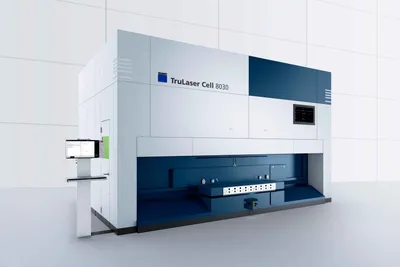
Other CNC Laser Cutting Machines
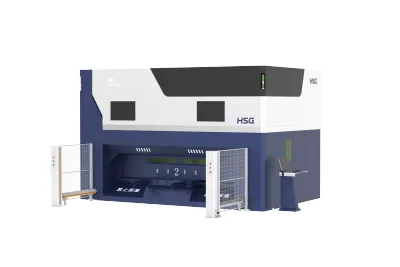
HSG Cell 3015G
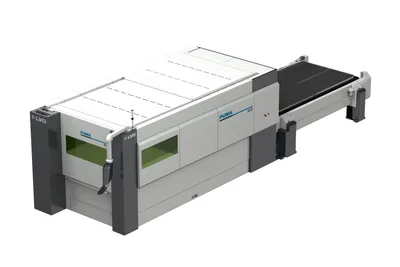
LVD Puma 4020
CHMER PL4030
Penta Laser SEA HORSE II 26025
Machitech Fiber Tube XL 60' L - 14" Ø