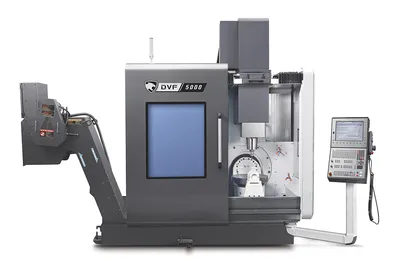
Onsrud FSG-77
Key Specifications
X-Axis Travel
Y-Axis Travel
Z-Axis Travel
A-Axis Range
C-Axis Range
Spindle Speed
Overview
The Onsrud FSG-77 is a purpose-built 5-axis composite machining center designed for high-precision machining of complex CFRP structures, aerospace tooling, and contoured composite assemblies that demand true simultaneous 5-axis motion. Unlike conventional 5-axis machining centers configured for metal, the FSG-77 is optimized end-to-end for the unique cutting dynamics of carbon fiber reinforced polymers — from its high-speed, low-torque spindle architecture to its composite-specific toolpath strategies and dedicated fiber dust containment systems.
The FSG-77 features a fixed-bridge structure with a motorized trunnion table providing A and C rotational axes, giving the spindle full 5-axis reach on complex curved composite components such as aircraft fuselage frames, inlet lips, radome mounts, and helicopter rotor blades. The trunnion table is designed with carbon fiber tooling compatibility in mind — vacuum clamping circuits are routed through the rotary table to maintain workholding even as the part tilts. The spindle head delivers up to 30,000 RPM, which combined with the appropriate router tooling produces clean, splinter-free cuts in woven CFRP, unidirectional tape layups, and hybrid metal-composite assemblies.
Onsrud's integration of Heidenhain TNC control with RTCP (Rotation Around Tool Center Point) functionality ensures that 5-axis toolpaths maintain the programmed tool-tip position regardless of rotational axis position — essential for maintaining dimensional accuracy on tapered aircraft skins and compound-curved structural surfaces. The machine's enclosed working envelope and negative-pressure dust extraction system meet OSHA and NIOSH guidelines for carbon fiber particulate containment in production environments.
The FSG-77 is deployed in aerospace primary structure shops, composite repair stations, and specialty tooling houses producing jigs, fixtures, and master models from machinable composite and syntactic foam billets. It is particularly valued for programs requiring AS9100-traceable part records, as the Heidenhain control logs full machining process data for quality documentation.
Full Specifications
| Parameter | Value |
|---|---|
| X-Axis Travel | 1,981 mm (78 in) |
| Y-Axis Travel | 1,219 mm (48 in) |
| Z-Axis Travel | 762 mm (30 in) |
| A-Axis Range | +30° / -120° |
| C-Axis Range | 360° continuous |
| Spindle Speed | Up to 30,000 RPM |
| Spindle Power | 11 kW (15 hp) |
| Feed Rate (Max) | 20,000 mm/min (787 ipm) |
| Table Size | 1,524 × 1,219 mm (60 × 48 in) |
| Control | Heidenhain TNC 640 with RTCP |
Specifications sourced from machinio.com — verified 2026-03-28
Strengths & Limitations
Strengths
- Simultaneous 5-axis motion with RTCP enables compound-curved CFRP trimming and drilling without part repositioning
- 30,000 RPM spindle optimized for composite routing produces clean, delamination-free edges on woven and UD carbon fiber
- Vacuum clamping circuits integrated through the rotary trunnion maintain fixturing through full A/C axis range
- Enclosed working envelope with negative-pressure dust extraction meets OSHA/NIOSH carbon fiber particulate standards
- Heidenhain TNC 640 logs process data for AS9100-traceable quality records required by aerospace customers
Limitations
- Trunnion table configuration limits maximum workpiece weight and length compared to gantry-style 5-axis routers
- 30,000 RPM spindle provides low torque — unsuitable for interpolation milling in titanium or steel inserts commonly found in hybrid composite assemblies
- High acquisition and tooling cost relative to 3-axis composite routers for shops that do not require true 5-axis motion
Best For
Frequently Asked Questions
01
The FSG-77 is specifically engineered for composites — its high-speed low-torque spindle, dust containment system, vacuum-through-trunnion workholding, and CFRP-optimized toolpath libraries address the unique challenges of cutting carbon fiber. A standard 5-axis machining center designed for metals typically runs at lower RPM with flood coolant, which is incompatible with composite materials and can cause delamination or moisture ingress.
02
Yes. The FSG-77's automatic tool changer allows the machine to switch between router bits, drill bits, countersink tools, and reamers within a single program. The RTCP functionality maintains the drill axis perpendicular to the part surface on contoured panels, which is critical for producing on-axis fastener holes in curved fuselage structures.
03
The FSG-77 routes vacuum circuits through the A-axis trunnion bearings using a rotary union, allowing vacuum to remain applied to the fixture regardless of the A-axis angle. Custom vacuum fixtures or Onsrud's standard aluminum vacuum plates bolt to the table face and connect to the on-board vacuum supply, maintaining hold-down force throughout the full 5-axis machining cycle.
04
Onsrud recommends its own line of solid carbide composite router bits — specifically the 63 Series upcut spiral and the 60 Series compression-cut geometry for thin-skin trimming, and diamond-coated end mills for abrasive UD tape laminates. Polycrystalline diamond (PCD) tooling is also compatible for ultra-high-cycle production applications.
05
The Heidenhain TNC 640 control on the FSG-77 logs spindle load, feed rate, and axis position data continuously during machining. This data can be exported for inclusion in AS9100 first article inspection packages and in-process traveler documentation. Onsrud also supports DMIS and CMM integration for post-machining dimensional verification.
Community Discussions
Troubleshooting and problem-solving — Anyone usingOnsrudendmills for milling steel?
Community discussion — New machine day. TheOnsrudteaser addition | Forum
Community discussion — CR Onsrud : r/Machinists - Reddit
Community discussion — What does everyone see as the most trusted CNC ... - Reddit
Community discussion — OTS start up failure : r/Machinists - Reddit
Troubleshooting and problem-solving — Load program issue. : r/Machinists - Reddit
Links to community discussions. Summaries are editorial — visit the original thread for full context.
Related Machines
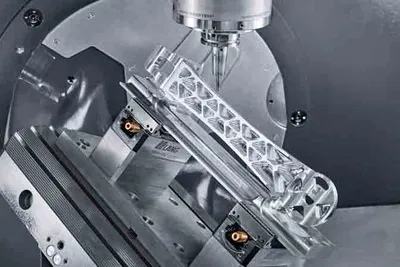
DMG Mori DMU 50
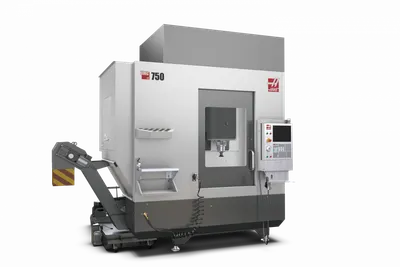
Haas UMC-750
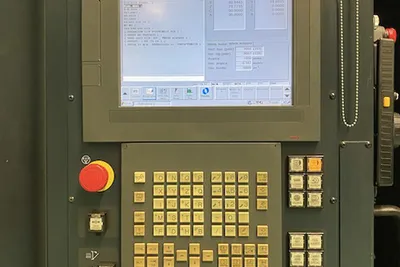
Makino D500
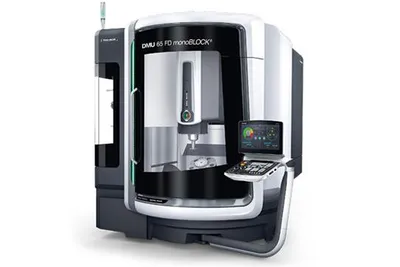
DMG Mori DMU 65 monoBlock
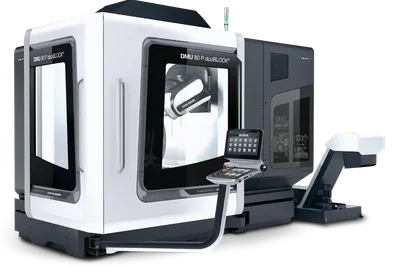
DMG Mori DMU 80P duoBLOCK