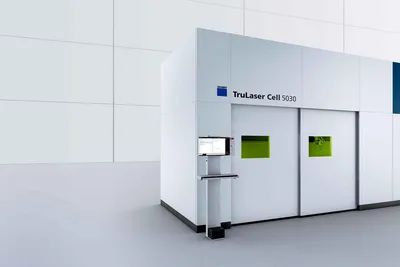
Mitsubishi Electric LF3015-EAW
Key Specifications
Accuracy
Repeatability
working area
laser type
laser power
max sheet thickness mild steel
Overview
The Mitsubishi Electric LF3015-EAW is Mitsubishi's mid-range fiber laser cutting machine built on the standard 3000 x 1500 mm sheet format. The LF series represents Mitsubishi Electric's transition from their established CO2 laser portfolio to fiber laser technology, applying the same engineering rigor and control sophistication to the fiber platform. The EAW model designation indicates the enhanced automation-ready configuration with Mitsubishi's advanced oscillator control and wider material compatibility across the standard sheet metal spectrum.
The LF3015-EAW is available with 2 kW and 4 kW fiber laser sources, with the 4 kW configuration being the primary production specification. The machine uses a high-brightness fiber laser module delivering excellent beam quality (BPP) for cutting quality and speed on thin-to-medium gauge stainless steel, aluminum, mild steel, copper, and brass. Mitsubishi Electric's proprietary laser control intelligence — developed across decades of CO2 laser experience and adapted for fiber — provides automated cutting condition management that reduces the optimization burden on operators.
The machine's CNC platform (Mitsubishi CNC70L or equivalent laser-specific variant) provides integration with Mitsubishi Electric's MelBAS laser application software and CAM environment. A comprehensive factory-loaded cutting condition database covers materials from 0.5 mm stainless to 12 mm mild steel with calibrated parameters for oxygen, nitrogen, and air assist gas. The EAW's control system is designed with automation readiness in mind, supporting external interfaces for automated material handling systems.
The LF3015-EAW positions as a direct competitor to the Mazak OptiPlex Nexus 3015 and Bystronic BySprint Fiber at the 4 kW mid-range tier. Mitsubishi Electric's strength here is the combination of Japanese manufacturing quality, a fiber laser source engineered to their own specifications, and a control system with deep integration between the CNC and laser source that reduces the tuning work required to achieve consistent quality across material types. Pricing falls in the $300,000–$500,000 range for the 4 kW configuration.
Full Specifications
| Parameter | Value |
|---|---|
| Working Area | 3000 x 1500 mm |
| Laser Type | Fiber |
| Laser Power | 2 kW or 4 kW |
| Max Sheet Thickness Mild Steel | 12 mm (4 kW) |
| Max Sheet Thickness Stainless | 8 mm (4 kW) |
| Max Sheet Thickness Aluminum | 6 mm (4 kW) |
| Max Sheet Thickness Copper | 4 mm |
| Max Sheet Thickness Brass | 4 mm |
| Positioning Accuracy | ±0.05 mm |
| Repeatability | ±0.03 mm |
| Max Axis Speed | up to 120 m/min (rapid) |
| Max Sheet Weight | 920 kg |
| CNC Control | Mitsubishi CNC70L Laser |
| Assist Gas | Oxygen, Nitrogen, Air |
Specifications compiled from manufacturer literature and industry references. Not independently verified against a published spec sheet — confirm with the manufacturer or an authorised dealer before making a purchasing decision.
Strengths & Limitations
Strengths
- Mitsubishi Electric's deeply integrated CNC-to-laser-source architecture delivers consistent cutting quality across materials without the manual parameter tuning required on systems with third-party laser modules
- 4 kW high-brightness fiber source cuts thin-to-medium gauge stainless steel, aluminum, mild steel, copper, and brass — covering the full commercial sheet metal material palette
- Japanese manufacturing quality and Mitsubishi Electric's industrial automation heritage provide a reliable, long-service-life platform suitable for demanding production environments
- Air cutting mode support reduces assist gas operating costs significantly on thin-gauge mild steel and aluminum production
Limitations
- Maximum 4 kW power limits thick-plate capability — shops regularly cutting above 12 mm mild steel or 8 mm stainless will need higher-power configurations from Mitsubishi or competing brands
- Mitsubishi Electric's laser sales and service network is smaller than TRUMPF, Mazak, or Bystronic in some regional markets, potentially affecting service response time
- Brand recognition in the laser cutting market is lower than Mazak or TRUMPF for shops without prior Mitsubishi Electric laser experience, which can affect resale value
Best For
Frequently Asked Questions
01
Both are mid-range 4 kW fiber laser machines on the 3015 platform with comparable cutting capability. Mazak's SmoothL control with AI optimization and stronger North American automation ecosystem is an advantage for automation-focused shops. Mitsubishi Electric's tightly integrated CNC-laser control and Japanese engineering heritage appeal to precision-first buyers. Service network coverage in your specific region is a key deciding factor.
02
Mitsubishi Electric uses fiber laser oscillator modules engineered to their specifications — the LF series uses Mitsubishi-spec fiber sources. In some configurations, this involves IPG Photonics or similar high-brightness fiber modules integrated with Mitsubishi's own beam delivery and control systems. The integration is designed for seamless CNC-to-source communication for adaptive process control.
03
Yes. The EAW designation indicates automation readiness with external interface support for automated material handling systems including shuttle pallet changers, tower storage, and conveyor sorters. Mitsubishi Electric offers their own automation peripherals and the machine interfaces with third-party automation systems through standard industrial protocols.
04
The machine cuts mild steel, stainless steel, aluminum, copper, brass, and galvanized steel. The factory cutting condition database covers material thicknesses from 0.5 mm to the machine's rated maximum. Non-metallic materials cannot be cut by the fiber laser source.
05
Mitsubishi Electric's MelBAS software provides the primary laser programming and condition management environment. The machine is also compatible with major third-party CAM packages including Lantek, Metalix, Radan, and SigmaNEST through standard post-processor support. DXF and DWG file imports are supported for 2D part programming.
Community Discussions
Maintenance and service — Mitsubishi 3015LXP........alarm I can't clear.....please help!
Troubleshooting and problem-solving — Mitsubishi Wire Alignment Device Troubles ...
Troubleshooting and problem-solving — Alarm Problems with Mitsubishi Wire EDM - Practical Machinist
Troubleshooting and problem-solving — Mitsubishi Wire EDM problems - Practical Machinist
Community discussion — I took your advice and bought a Mitutoyo : r/Machinists - Reddit
Pricing and buying discussion — Where to buy a real Mitutoyo : r/Machinists - Reddit
Community discussion — Fake Mitutoyos? Please help! : r/Machinists - Reddit
Electrical and installation requirements — How to tell if my mitutoyo calipers are fake? :
Links to community discussions. Summaries are editorial — visit the original thread for full context.
Related Machines
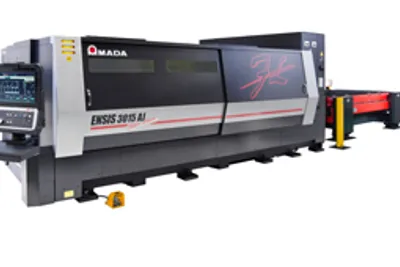
Amada ENSIS-3015AJ
Amada LCG-3015AJ
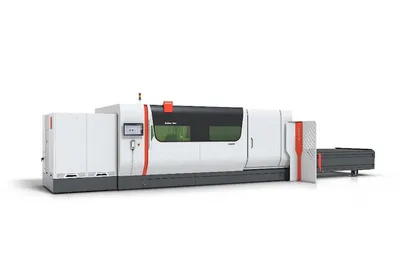
Bystronic ByStar Fiber 3015
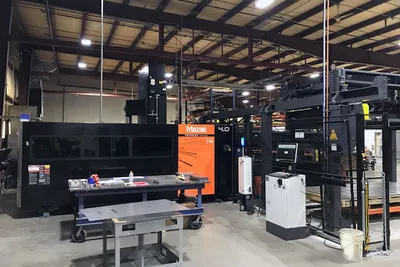
Mazak OPTIPLEX 3015 DDL
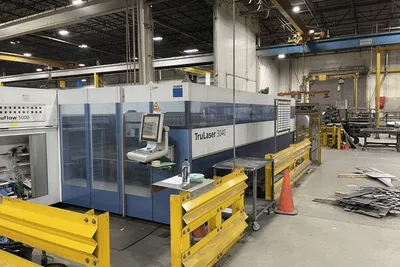
Trumpf TruLaser 3040