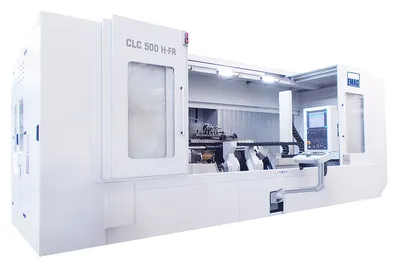
Gleason Phoenix 280G Bevel Gear Grinding Machine
Key Specifications
Max Workpiece ⌀
machine type
range of tooth numbers
max wheel diameter
How much does the Gleason Phoenix 280G Bevel Gear Grinding Machine cost?
Estimated price range
Our best estimate for a cnc gear cutting machine in this class — not a quote from Gleason. Configuration moves it a long way.
Overview
The Gleason Phoenix 280G is a bevel gear grinding machine for workpieces up to 280 mm in diameter. Gleason publishes three capacity figures for it: that 280 mm maximum workpiece diameter, a range of tooth numbers from 1 to 300, and a maximum wheel diameter of 9 in.
Diameter is the limit that decides whether a job fits. With tooth numbers running from 1 to 300, tooth count will rarely be the reason a gear is turned away. A ring gear more than 280 mm across is. In a bevel pair the ring gear is the bigger part, so size the machine against the ring gear and the pinion follows.
The 9 in wheel limit deserves the same attention. A bevel gear is normally ground with a wheel matched to the cutter diameter the tooth form was designed around, so a design based on a cutter larger than 9 in is outside what this machine can finish even when the blank itself is under 280 mm. Check the design cutter diameter of each part family before assuming the workpiece figure tells the whole story.
Gleason's table for this model stops at those rows. The workpiece limit is given in millimetres and the wheel limit in inches, and both are quoted here as published. Spindle power, machine weight, floor space and control details are not in the table, so request them from Gleason before drawing up a foundation or electrical plan.
Full Specifications
| Parameter | Value |
|---|---|
| Machine Type | Bevel gear grinding machine |
| Max Workpiece Diameter | 280 mm |
| Range of Tooth Numbers | 1 – 300 |
| Max Wheel Diameter | 9 in |
Specifications sourced from gleason.com — verified 2026-10-03
Strengths & Limitations
Strengths
- Tooth numbers from 1 to 300 are covered, so tooth count is unlikely to exclude a part that fits by diameter
- Takes grinding wheels up to 9 in in diameter
- Grinds bevel gear workpieces up to 280 mm in diameter
Limitations
- Workpieces above 280 mm in diameter are outside the machine's capacity
- Wheel diameter is capped at 9 in, which excludes gear designs built around a larger cutter diameter
- Gleason's table for the model gives no power, weight, floor space or control figures, so installation planning needs data requested from Gleason
Best For
Frequently Asked Questions
01
The maximum workpiece diameter is 280 mm. In a bevel gear pair that limit is tested by the ring gear, which is the bigger of the two parts, so a pair whose ring gear is under 280 mm in diameter fits and its pinion fits with it.
02
The maximum wheel diameter is 9 in. Because the wheel is normally matched to the cutter diameter a bevel gear was designed around, compare the design cutter diameter of your parts with that 9 in limit as well as checking the 280 mm workpiece diameter.
03
Gleason gives a range of tooth numbers of 1 to 300 for the Phoenix 280G. That span takes in low-count pinions and high-count ring gears alike, so on this machine it is the 280 mm workpiece diameter and the 9 in wheel that set the practical limits, not tooth count.
Videos

Gibbs Machinery Company
Community Discussions
Pricing and buying discussion
Links to community discussions. Summaries are editorial — visit the original thread for full context.
More from Gleason
Gleason Genesis 130H CNC Gear Hobbing Machine
Gleason GENESIS 210H
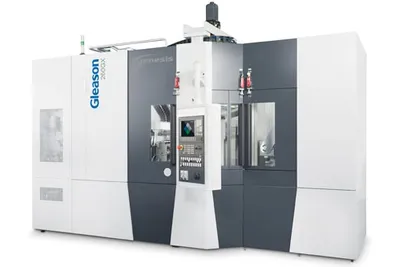
Gleason Genesis 200GX
Gleason 350GMS Gear Metrology System
Gleason P 400G
Gleason 80PS
Other CNC Gear Cutting Machines
Kapp Niles ZPI
Klingelnberg P 40 Precision Measuring Center
Klingelnberg G 60 Bevel Gear Grinding Machine
HNK HGG-6000
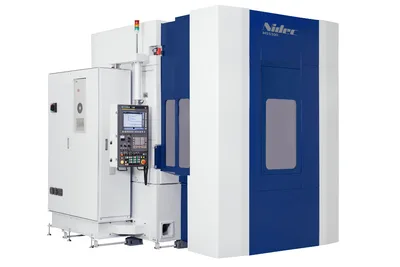
Nidec Machine Tool MSS300