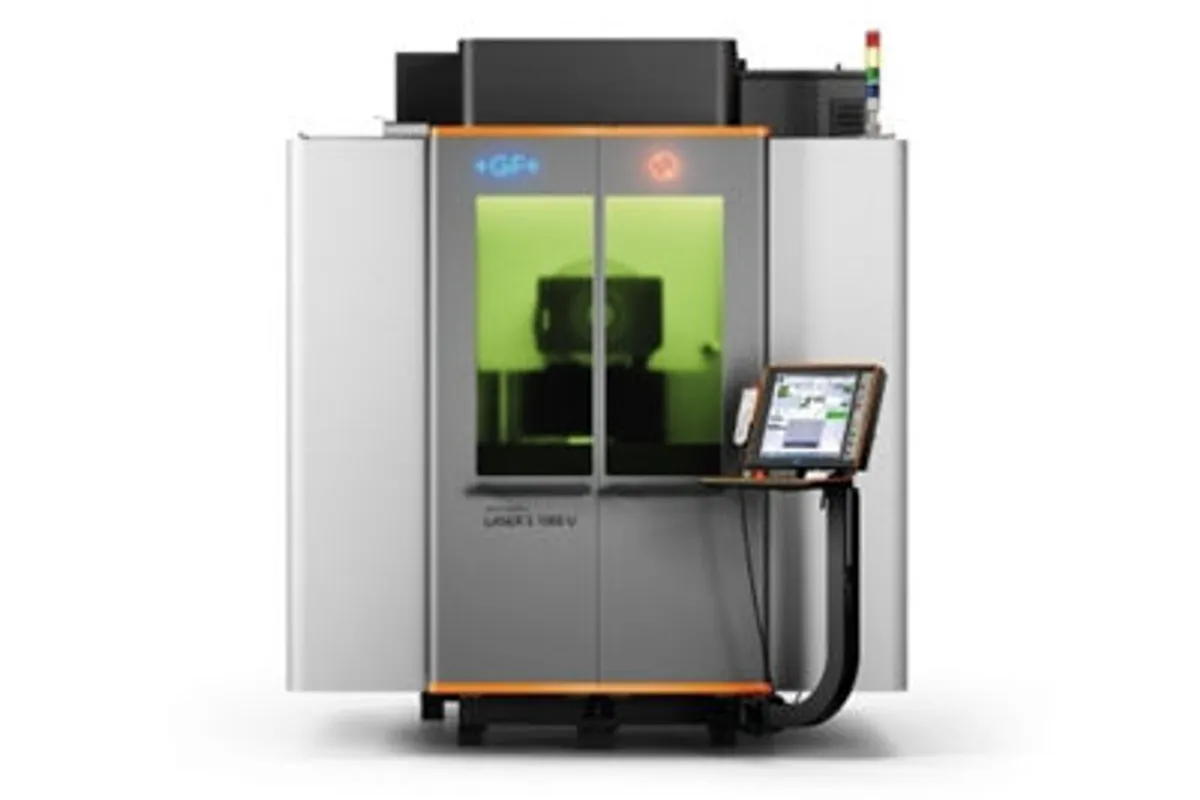
GF Laser S
Key Specifications
machine type
laser source
axes
feature resolution
applications
replaces
How much does the GF Laser S cost?
Estimated price range
Our best estimate for a cnc laser cutting machine in this class — not a quote from GF Machining Solutions. Configuration moves it a long way.
Overview
The Laser S is GF Machining Solutions' laser texturing and micro-machining platform: a machine with 5 CNC axes (X, Y, Z and two rotary) that uses a fiber or short-pulse laser to put textures, engravings and micro features onto surfaces, mostly on moulds. This page covers the line as a whole, and its maximum workpiece size row simply says that it varies by configuration.
The table positions the process as a replacement for chemical etching and mechanical texturing. For a mould shop that changes three things: no acid baths or masking, a texture that can be reproduced from a digital file on the next tool, and a pattern that follows the surface on all five axes instead of being applied by hand. Feature resolution is described as in the single-digit micron range.
Automatic alignment and measurement of the workpiece is listed, which is what lets a texture be placed correctly on a part that was clamped by hand. The software row reads GF proprietary texture design and CAM, so texture data is prepared in GF's own environment rather than in a general CAM system. The work area is enclosed with fume extraction.
Because the table gives no travels, weights or laser powers, it cannot be used to size a machine. The figures for individual sizes sit on their own pages, for example the LASER S 500 U with 550 mm of X travel and a 15 kg five-axis limit. The data here has not been matched to a current GF page.
Full Specifications
| Parameter | Value |
|---|---|
| Machine Type | Laser texturing and micro-machining |
| Laser Source | Fiber or short-pulse laser |
| Axes | 5 CNC axes (X, Y, Z + 2 rotary) |
| Feature Resolution | Single-digit micron range |
| Applications | Surface texturing, micro-engraving, mold texturing |
| Replaces | Chemical etching, mechanical texturing |
| Software | GF proprietary texture design and CAM |
| Workpiece Measurement | Automatic alignment and measurement |
| Work Area | Enclosed with fume extraction |
| Max Workpiece Size | Varies by configuration |
Specifications compiled from manufacturer literature and industry references. Not independently verified against a published spec sheet — confirm with the manufacturer or an authorised dealer before making a purchasing decision.
Strengths & Limitations
Strengths
- 5 CNC axes (X, Y, Z plus two rotary) for texture on curved and angled mould faces
- Feature resolution described as in the single-digit micron range
- Automatic workpiece alignment and measurement before texturing
- Replaces chemical etching and mechanical texturing, with no acid process in the shop
Limitations
- The table gives no travels, workpiece weight or laser power; maximum workpiece size varies by configuration
- Textures are prepared in GF's proprietary texture design and CAM software
- The laser source is given only as fiber or short-pulse, so the exact source must be specified when ordering
Best For
Frequently Asked Questions
01
It is a laser texturing and micro-machining machine. Listed applications are surface texturing, micro-engraving and mold texturing, using a fiber or short-pulse laser on 5 CNC axes (X, Y, Z and two rotary). It is positioned as a replacement for chemical etching and mechanical texturing.
02
The listed maximum workpiece size varies by configuration, so this page cannot answer it. The individual sizes have their own pages; the LASER S 500 U, for example, has 550 mm of X travel and a 15 kg five-axis workpiece limit.
03
Feature resolution is given as in the single-digit micron range. Actual detail depends on the laser source chosen (fiber or short-pulse) and on the texture file, so ask for sample parts in the material you use.
04
The software row lists GF proprietary texture design and CAM. Texture data is therefore prepared in GF's environment rather than a general CAM system, and the machine measures and aligns the workpiece automatically before it starts.
More from GF Machining Solutions
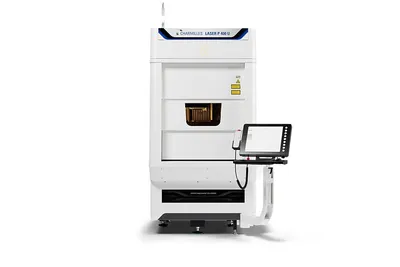
GF Machining CHARMILLES LASER P 400 U
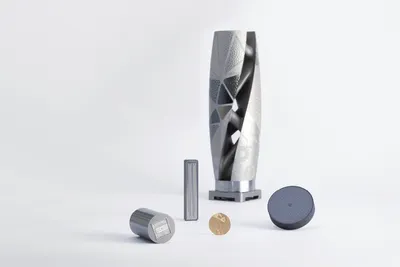
GF Machining CHARMILLES LASER S 500 U
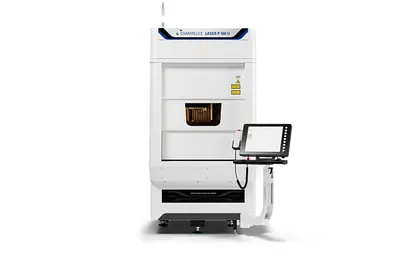
GF LASER P 400
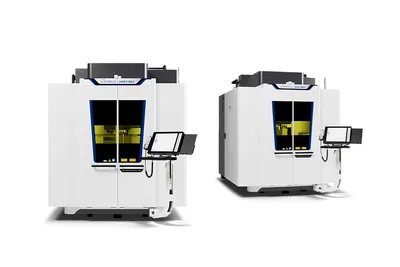
GF Machining CHARMILLES LASER S 1200 U
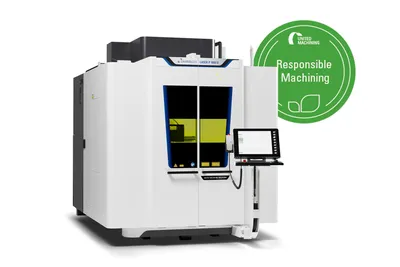
GF Machining CHARMILLES LASER P 1200 U Dedicated
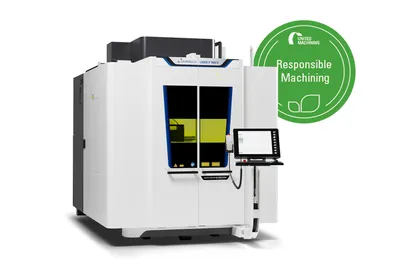
GF Machining CHARMILLES LASER P 600 U
Other CNC Laser Cutting Machines
Yawei YTF-6035
Dener FTL 6018
Cincinnati CI Fiber 6020