Industrial CNC Machine Directory

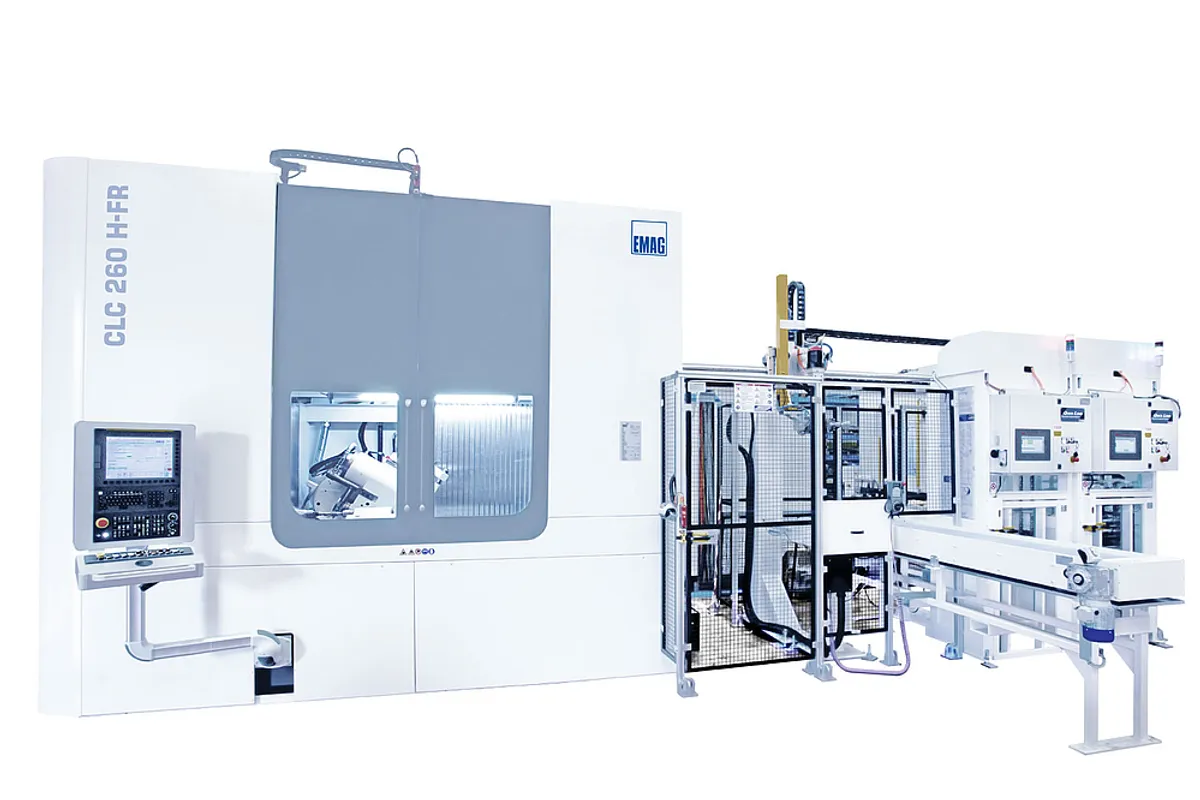
EMAG CLC 260 H-FR

$450,000 - $650,000 Updated 2026-03-19
EMAG CLC 260 H-FR CNC Gear Cutting
01

Key Specifications

Max Workpiece ⌀

260 mm (10 in)

max workpiece length

1,800 - 2,300 mm (71 - 90.5 in)

max module

12

max profile height

28 mm (1 in)

max cutter diameter

275 mm (11 in)

cutting depth

mmin

02

Overview

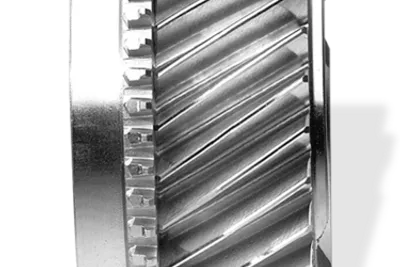
The EMAG CLC 260 H-FR is a horizontal CNC profile milling machine designed for precision machining of gear profiles, splines, and specialized tooth forms on workpieces up to 260 mm (10 in) diameter and lengths up to 1,800-2,300 mm (71-90.5 in). The "FR" designation indicates profile milling capability, distinguishing this machine from the standard CLC 260 H hobbing variant. Profile milling uses a form cutter that machines one tooth gap at a time, enabling the production of gear forms that cannot be generated by hobbing — including internal gears, non-involute profiles, and gears with interfering contours.

The machine handles modules up to 12 with a maximum profile height of 28 mm (1 in) and accommodates cutters up to 275 mm (11 in) diameter. The cast-iron milling head with belt drive delivers high torque on the milling spindle through an HSK interface, providing the rigid tooling connection needed for heavy profile milling cuts in alloy steel. The swing-in angle range of +65 to -65 degrees enables machining of gears with extreme helix angles and complex flank geometries that would be impossible on conventional hobbing machines.

The CLC 260 H-FR supports both solid carbide and carbide insert cutters, giving shops flexibility to optimize tooling cost versus cutting performance for different production scenarios. Solid carbide cutters deliver superior surface finish and tool life on small-module profiles, while insert cutters reduce tooling cost for large-module roughing operations where cutting forces are high and tool wear is aggressive.

The Fanuc 31iB control manages the complex interpolation required for profile milling, including synchronized rotation of the workpiece spindle with the linear positioning of the cutter for helical gear production. Optional steady rests support longer workpieces during cutting, and automation options include gantry systems and robot loading for unmanned production. For manufacturers producing specialized gear forms, internal gears, or profiles that cannot be hobbed, the CLC 260 H-FR provides a dedicated, purpose-built solution on a proven horizontal platform.

03

Full Specifications

Parameter Value
Max Workpiece Diameter 260 mm (10 in)
Max Workpiece Length 1,800 - 2,300 mm (71 - 90.5 in)
Max Module 12
Max Profile Height 28 mm (1 in)
Max Cutter Diameter 275 mm (11 in)
Cutting Depth mmin
Axial Travel mmin
Swing In Angle °
Milling Head Cast iron with belt drive, HSK interface
Tooling Solid carbide or carbide insert cutters
CNC Control Fanuc 31iB
Optional Features Steady rests, gantry/robot automation
Profile Height Max mmin
Workpiece Dia Max mmin
Workpiece Length Max mmin
Cutter Diameter Max mmin

Specifications sourced from emag.com — verified 2026-03-28

04

Strengths & Limitations

Strengths

  • Profile milling enables production of gear forms that cannot be hobbed — including internal gears, non-involute profiles, and gears with interfering contours
  • Wide swing-in angle range of +/-65 degrees accommodates extreme helix angles and complex flank geometries beyond the capability of most gear cutting machines
  • Cast-iron milling head with HSK interface and belt drive delivers the torque and rigidity needed for heavy profile milling in alloy steel
  • Supports both solid carbide and insert cutters, optimizing tooling cost versus performance for different production requirements
  • Fanuc 31iB control provides proven reliability and broad service support for gear profile milling applications
  • Optional steady rests and automation enable unmanned production of long shaft-type workpieces

Limitations

  • Profile milling is inherently slower than hobbing since it machines one tooth gap at a time — not suitable for high-volume production of standard involute gears
  • 260 mm diameter limit restricts this machine to small and medium gear profiles — larger workpieces require the CLC 500 H-FR
  • Complex profile programming requires experienced gear engineers familiar with non-standard tooth forms and milling cutter geometry
  • Belt-drive milling head, while delivering high torque, requires periodic belt inspection and replacement compared to direct-drive alternatives
05

Best For

Manufacturers producing non-involute and special-profile gears that cannot be generated by hobbing or shaping processes Internal gear producers requiring profile milling for ring gears and annular gear components in planetary gearbox assemblies Aerospace and defense gear manufacturers machining specialty tooth forms with tight tolerances on hardened alloy steel shafts Spline and serration manufacturers producing long shafts with non-standard tooth profiles for power transmission applications Job shops and toolroom operations requiring flexible profile milling capability for prototype and low-volume specialty gear production
06

Frequently Asked Questions

01 What is the difference between profile milling and hobbing for gear production?

Hobbing is a generating process where the hob and workpiece rotate in synchronized motion to progressively form all teeth simultaneously. Profile milling uses a form cutter that machines one tooth gap at a time, then the workpiece indexes to the next tooth. Profile milling is slower but can produce gear forms that hobbing cannot — including internal gears, non-involute profiles, and gears with interfering geometry. The CLC 260 H-FR is purpose-built for profile milling.

02 Can the CLC 260 H-FR produce standard involute gears?

Yes, the CLC 260 H-FR can produce standard involute spur and helical gears via profile milling. However, for standard involute gears in production volumes, hobbing on the CLC 260 H is significantly faster and more cost-effective. The CLC 260 H-FR is best justified when the required gear forms cannot be hobbed or when production volumes are low enough that the cycle time difference is acceptable.

03 What cutter types does the CLC 260 H-FR support?

The machine supports both solid carbide cutters and carbide insert cutters via the HSK spindle interface. Solid carbide cutters deliver better surface finish and longer tool life on small-module profiles but are more expensive to purchase and regrind. Insert cutters reduce per-edge cost for large-module roughing where cutting forces are high, and insert indexing is faster than regrinding solid cutters.

04 Why does the CLC 260 H-FR use a Fanuc control instead of Siemens?

EMAG selects the control platform based on the specific application requirements and regional market preferences. The Fanuc 31iB provides excellent servo synchronization for profile milling operations and is widely supported in North American and Asian markets. The standard CLC 260 H hobbing machine uses Siemens controls, but the profile milling variant's specific interpolation and indexing requirements are well matched to the Fanuc 31iB architecture.

07

Videos

HLC 150 H - Kombiniertes Wälzschälen und Wälzfräsen von Stufenplanetenräder

HLC 150 H - Kombiniertes Wälzschälen und Wälzfräsen von Stufenplanetenräder

EMAG

Cambio utensile su centro di dentatura CLC 500 H

Cambio utensile su centro di dentatura CLC 500 H

CLC GEAR MACHINES

KOEPFER Model 300 - Hobbing of Engine Timing Gears

KOEPFER Model 300 - Hobbing of Engine Timing Gears

Helios Gear Products - formerly Koepfer America

08

Related Machines