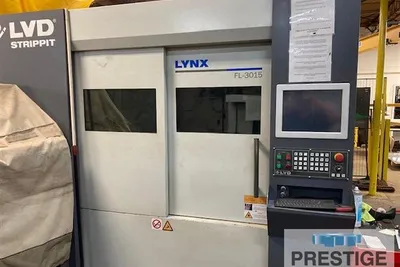
Amada FLW ENSISe
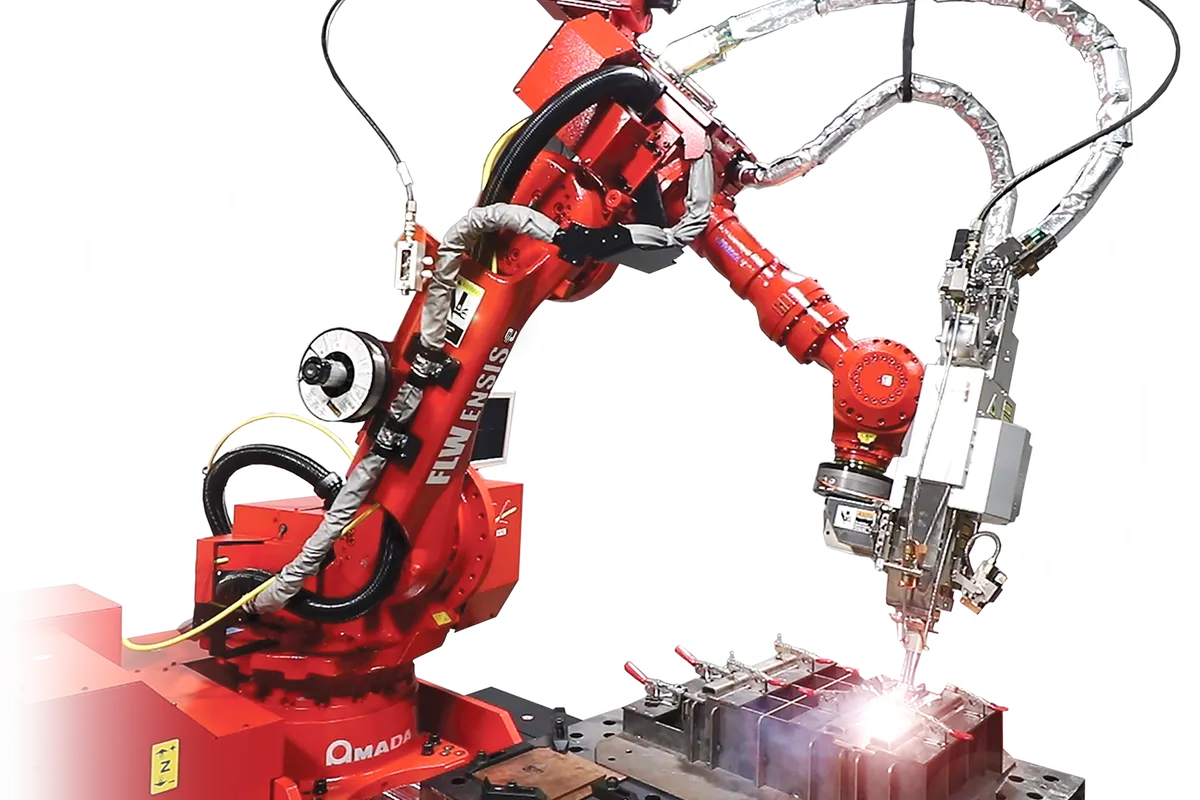
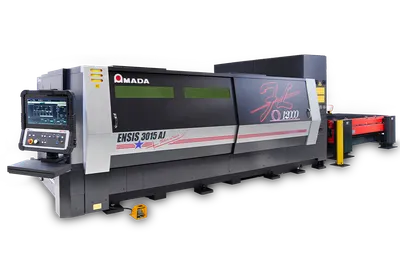
Image: amada.com, Amada
Key Specifications
laser type
beam control
vision system
weldable materials
joint types
beam weaving
How much does the Amada FLW ENSISe cost?
Estimated price range
Our best estimate for a cnc laser cutting machine in this class — not a quote from Amada. Configuration moves it a long way.
Overview
The Amada FLW ENSISe is a fiber laser welding system built on ENSIS technology. The listed figures describe a process and not an envelope: there is no laser power, axis travel or payload in the table. What is listed is how the beam is handled. NC Beam Focus works with a rotating lens that weaves the beam, and the weaving is there to bridge gaps between parts that do not fit up perfectly.
A CCD camera with path deviation compensation is listed as the vision system. It addresses the other common cause of a failed laser weld, a seam that is not quite where the program expects it. The listed materials are mild steel, stainless steel, aluminum, brass and copper, and the table answers yes on reflective materials, citing a fiber wavelength of 1,070 nm. Joint types are butt, lap, fillet and edge welds. Control is the Amada AMNC with VPSS 3i integration.
Because the table carries no power or reach figures, anyone sizing this system for a part needs those numbers from the supplier before going further.
Full Specifications
| Parameter | Value |
|---|---|
| Laser Type | Fiber laser (ENSIS technology) |
| Beam Control | NC Beam Focus with rotating lens (beam weaving) |
| Vision System | CCD camera with path deviation compensation |
| Weldable Materials | Mild steel, stainless steel, aluminum, brass, copper |
| Joint Types | Butt, lap, fillet, edge welds |
| Beam Weaving | Rotating lens creates beam weaving for gap bridging |
| CNC Control | Amada AMNC with VPSS 3i integration |
| Reflective Material Capability | Yes (fiber wavelength 1,070 nm) |
Specifications compiled from manufacturer literature and industry references. Not independently verified against a published spec sheet — confirm with the manufacturer or an authorised dealer before making a purchasing decision.
Strengths & Limitations
Strengths
- Rotating-lens beam weaving through NC Beam Focus is listed for bridging gaps in the joint
- A CCD camera with path deviation compensation corrects for seams that sit off the programmed path
- Listed for mild steel, stainless steel, aluminum, brass and copper, with a 1,070 nm fiber wavelength for reflective materials
Limitations
- No laser power is listed, so weld penetration and material thickness cannot be judged from the table
- No axis travel, reach or payload is listed, so part size limits must come from the supplier
Best For
Frequently Asked Questions
01
The listed weldable materials are mild steel, stainless steel, aluminum, brass and copper. Reflective material capability is listed as yes, with a fiber wavelength of 1,070 nm. No thickness range is given for any of them.
02
Two listed features cover this. NC Beam Focus uses a rotating lens to weave the beam, which the table describes as being for gap bridging. A CCD camera with path deviation compensation is listed as the vision system for seams that are not exactly on the programmed path.
03
Butt, lap, fillet and edge welds. The control is listed as the Amada AMNC with VPSS 3i integration. The table gives no reach or travel, so whether a joint can be accessed on a given part has to be checked with the supplier.
Videos

AMADA AMERICA, INC.

AMADA GmbH
AMADA GmbH
More from Amada
Other CNC Laser Cutting Machines
Yawei HLG-30240
Trumpf TruLaser Cell 3000
Ermak Fibermak SL 4x2
GF Machining CHARMILLES LASER P 600 U
HSG TL3 PRO