Industrial CNC Machine Directory

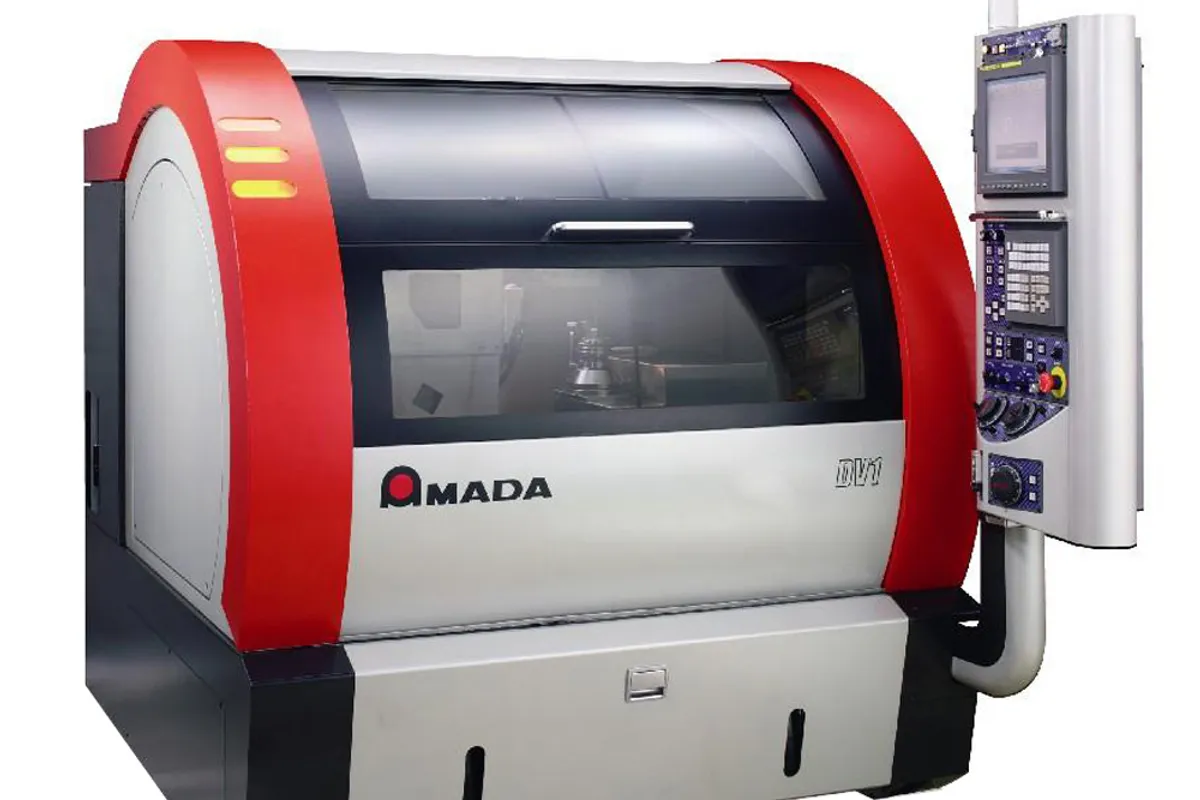
Amada DV1

$40,000 - $70,000 Updated 2026-03-19
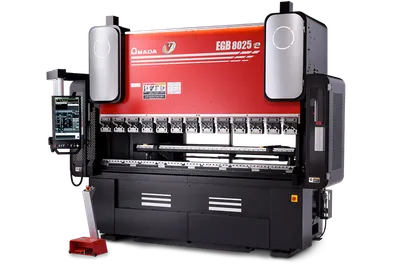
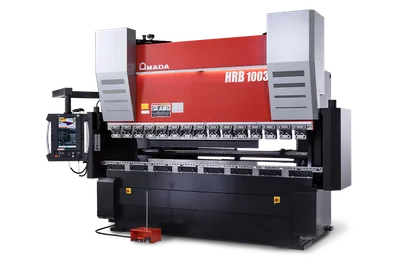
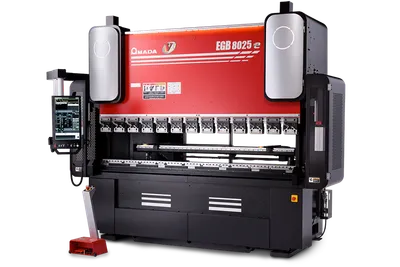
Amada DV1 CNC Press Brakes
01

Key Specifications

pressing force

10 tonnes (100 kN)

working length

600 mm (23.6 in)

distance between uprights

500 mm (19.7 in)

throat depth

200 mm (7.9 in)

ram stroke

80 mm (3.15 in)

approach speed

100 mm/s

02

Overview

The Amada DV1 is a compact, high-precision servo-electric press brake designed for small part bending applications in electronics, medical device, and precision sheet metal fabrication. Unlike conventional hydraulic press brakes, the DV1 uses a direct-drive servo motor system that delivers precise ram positioning, fast cycle times, and energy efficiency without hydraulic oil, pumps, or associated maintenance.

The DV1 offers approximately 10 tonnes (100 kN) of pressing force across a compact 600 mm (23.6 in) working length, making it purpose-built for small brackets, enclosure components, contacts, and precision formed parts that do not require the capacity of full-size press brakes. The servo-electric drive achieves ram positioning accuracy of ±0.005 mm and repeatability of ±0.002 mm, enabling tight bend angle control on thin-gauge materials including stainless steel, aluminum, copper, and beryllium copper.

The machine’s compact footprint and clean servo-electric operation make it suitable for cleanroom-adjacent environments and medical device production cells where hydraulic fluid contamination is unacceptable. The DV1 operates at significantly lower noise levels than hydraulic press brakes, and its energy consumption is 50-70% lower since the servo motor draws power only during the bending stroke rather than continuously running a hydraulic pump.

Amada’s AMNC touch-screen control provides graphical bend programming with stored program management for repeat jobs. The back-gauge system offers programmable positioning for consistent part-to-part accuracy in production runs. The DV1 is compatible with Amada’s precision tooling system, allowing shops with existing Amada tooling inventory to use their dies without additional investment.

New DV1 machines price between $40,000 and $70,000, positioning them as accessible precision bending solutions for shops that need dedicated small-part capability without occupying the floor space or budget of a full-size press brake. Competitors include the Trumpf TruBend 1008, Bystronic Xpert 40, and LVD Dyna-Press.

03

Full Specifications

Parameter Value
Pressing Force 10 tonnes (100 kN)
Working Length 600 mm (23.6 in)
Distance Between Uprights 500 mm (19.7 in)
Throat Depth 200 mm (7.9 in)
Ram Stroke 80 mm (3.15 in)
Approach Speed 100 mm/s
Bending Speed 1-10 mm/s (programmable)
Return Speed 100 mm/s
Ram Positioning Accuracy ±0.005 mm
Ram Repeatability ±0.002 mm
Drive Type Servo-electric (direct drive)
Back Gauge Axes 2 axes (X, R)
CNC Control Amada AMNC touch-screen
Machine Weight 1,200 kg (2,646 lb)
Model DV1 5-Axis Control
Reciprocating Slide Stroke 0-80
Reciprocation Speed 30-400
Radial Relief Angle Axial Relief Angle -1 – 2/±3
Wheel Spindle Speed 2000 – 20000
Wheel Spindle Grinding Wheel Size ∅65-100 x 4-6 x ∅22.23

Specifications sourced from amadamca.com — verified 2026-03-28

04

Strengths & Limitations

Strengths

  • Servo-electric drive delivers ±0.002 mm ram repeatability for tight bend angle control on thin-gauge precision parts in electronics and medical device applications
  • Compact 600 mm working length and 1,200 kg weight occupy minimal floor space, ideal for dedicated small-part bending cells and lean manufacturing layouts
  • No hydraulic oil, pumps, or filters eliminates hydraulic maintenance costs and enables use in cleanroom-adjacent medical and electronics production environments
  • 50-70% lower energy consumption than equivalent hydraulic press brakes since the servo motor draws power only during the bending stroke
  • Amada tooling system compatibility allows shops with existing Amada dies to use their inventory without additional tooling investment
  • Low noise operation at significantly reduced decibel levels compared to hydraulic machines improves shop floor working conditions

Limitations

  • 10-tonne capacity and 600 mm working length restrict the DV1 to small parts only — not suitable for structural or heavy-gauge bending applications
  • Limited tonnage means maximum material thickness is approximately 2 mm in mild steel and 1.5 mm in stainless steel at full working length
  • Compact design limits the range of tooling setups compared to full-size press brakes with wider tool stations and deeper throat depths
  • Higher per-tonne cost compared to hydraulic machines of similar capacity, justified only when precision, cleanliness, or energy savings are priorities
05

Best For

Electronics manufacturers bending small brackets, housings, shields, and contacts from thin-gauge copper, aluminum, and stainless steel Medical device fabricators producing small precision-formed components in cleanroom-adjacent environments where hydraulic contamination is unacceptable Precision sheet metal shops needing a dedicated small-part bending cell for high-accuracy work that does not warrant tying up a full-size press brake Prototype and R&D shops requiring precise bend angle control and quick setup changes on small experimental parts and short production runs Lean manufacturing cells where compact footprint, low energy consumption, and reduced maintenance overhead directly improve cell economics
06

Frequently Asked Questions

01 What does an Amada DV1 cost?

New Amada DV1 servo-electric press brakes typically price between $40,000 and $70,000 depending on back-gauge configuration and tooling package. This is substantially less than full-size press brakes, making the DV1 accessible for shops adding dedicated small-part bending capability.

02 What materials and thicknesses can the DV1 bend?

The DV1 bends mild steel up to approximately 2 mm, stainless steel up to 1.5 mm, and aluminum up to 2.5 mm at full 600 mm working length. For shorter bend lengths, proportionally thicker materials are possible within the 10-tonne capacity. The machine excels with thin-gauge precision parts in copper, brass, beryllium copper, and stainless steel.

03 How does the DV1 compare to a hydraulic press brake?

The DV1’s servo-electric drive eliminates hydraulic oil, pumps, and associated maintenance while delivering superior positioning accuracy (±0.002 mm repeatability vs ±0.01-0.02 mm typical for hydraulic). Energy consumption is 50-70% lower. However, the DV1’s 10-tonne capacity limits it to thin-gauge small parts, whereas hydraulic machines scale to hundreds of tonnes for heavy plate work.

04 Can the DV1 be used in a cleanroom environment?

The DV1’s servo-electric drive produces no hydraulic fluid contamination risk, making it suitable for cleanroom-adjacent installations in medical device and semiconductor manufacturing. However, the machine itself is not designed as a cleanroom-rated system and would need additional environmental controls for true cleanroom placement.

07

Videos

Amada DV1 Grinder

Amada DV1 Grinder

Amada Machine Tools

Amada Model DV1 CNC Optical Form Grinder with Fanuc Robot

Amada Model DV1 CNC Optical Form Grinder with Fanuc Robot

MachineToolSystems

CNC Surface Grinder - Amada Wasino - DV1 Graphical Profile Grinder

CNC Surface Grinder - Amada Wasino - DV1 Graphical Profile Grinder

MachineToolSystems

Amada GLS 5P Grinder

Amada GLS 5P Grinder

Amada Machine Tools

Amada TECHSTER D1 Surface Grinder

Amada TECHSTER D1 Surface Grinder

Amada Machine Tools

08

Related Machines