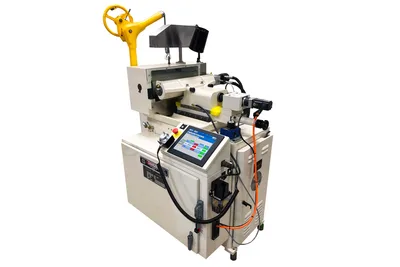
Okuma GP-GA25W
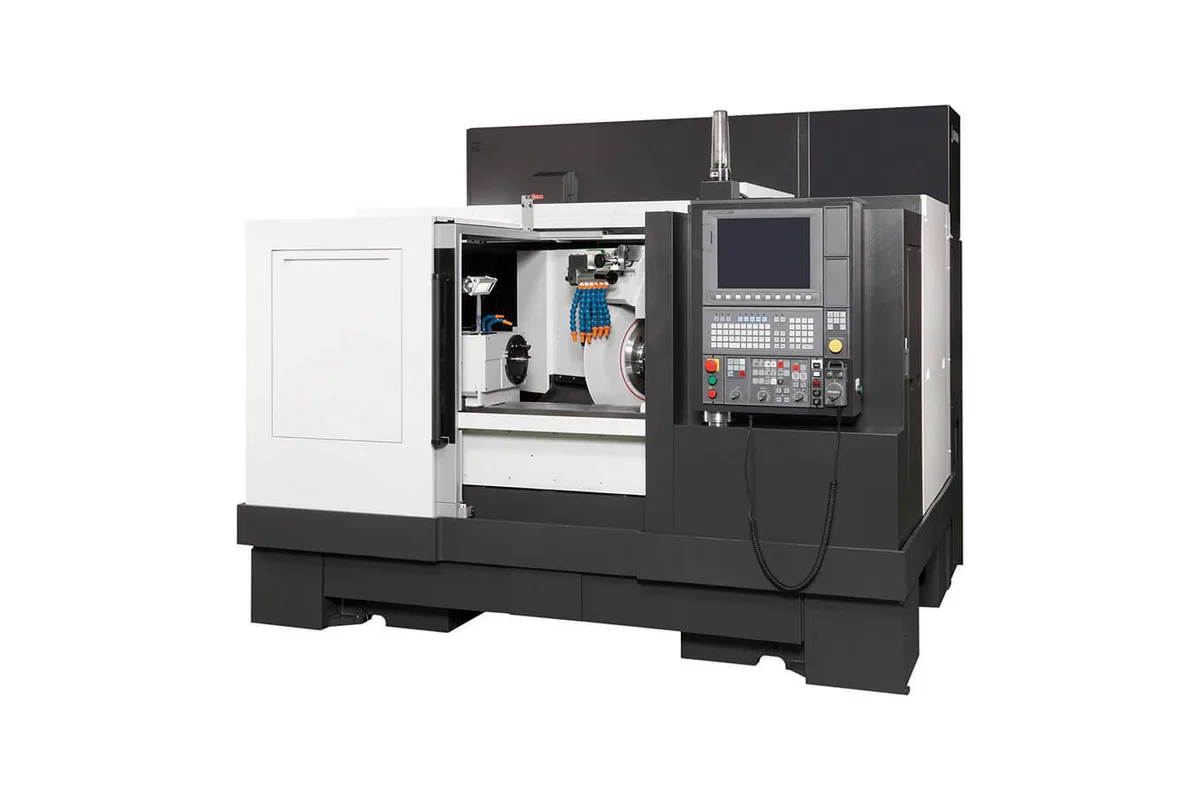
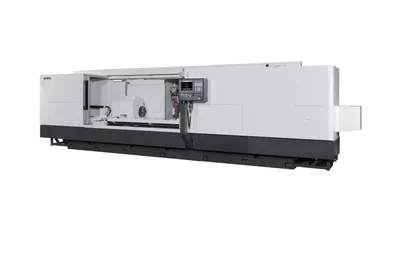
Image: okuma.com, Okuma
Key Specifications
max grinding diameter
distance between centers
grinding wheel size
rapid traverse x
rapid traverse z
workhead center
How much does the Okuma GP-GA25W cost?
Estimated price range
Our best estimate for a cnc grinding machine in this class — not a quote from Okuma. Configuration moves it a long way.
Overview
Fast axes are what set the Okuma GP-GA25W apart. Rapid traverse is 30 m/min (1,181 ipm) in X and 20 m/min (787 ipm) in Z, on a cylindrical grinder sized for parts up to 200 mm (7.87 in) in diameter with 400 or 650 mm (15.75 or 25.59 in) between centers.
Those rates matter because of where a grinder of this size spends its time. On short production parts the grinding itself is brief, and the wheel retract, the move to the next diameter and the approach make up a real part of each cycle. The GP-GA-36FII, a larger general-purpose machine, lists 10 m/min (394 ipm) in X and 15 m/min (591 ipm) in Z. For a shaft with several ground diameters the difference adds up over a shift.
The wheel is listed at 508 × 203 mm (20 × 8 in) with a 150 mm (5.9 in) width. The wheel spindle motor is 7.5 kW (10 hp) as standard and 15 kW (20 hp) as an option. A 150 mm face on a machine with as little as 400 mm between centers suggests that wide plunges and multi-diameter plunges are the intended way of working, and that is also where the optional motor earns its place: the standard 7.5 kW is the rating the narrower 75 mm (3 in) wheel of the GP-GA15W gets.
The workhead center is MT5. If wheel life between changes is a concern, the GP-GA26W matches this machine in every listed figure except the wheel, which grows to 610 × 254 mm (24 × 10 in).
Full Specifications
| Parameter | Value |
|---|---|
| Max Grinding Diameter | 200 mm (7.87 in) |
| Distance Between Centers | 400 or 650 mm (15.75 or 25.59 in) |
| Grinding Wheel Size | 508 × 203 mm (20 × 8 in) |
| Rapid Traverse X | 30 m/min (1,181 ipm) |
| Rapid Traverse Z | 20 m/min (787 ipm) |
| Workhead Center | MT5 |
| Rapid Traversex | 30 |
| Rapid Traversez | 20 |
| Wheel Spindle Motor | 7.5 [15] kW (10 [20] hp) |
| Grinding Wheel Width | 150 mm (5.9 in) |
Specifications sourced from okuma.com — verified 2026-10-03
Strengths & Limitations
Strengths
- X rapid traverse of 30 m/min (1,181 ipm) and Z of 20 m/min (787 ipm) shorten non-grinding time on multi-diameter parts
- 150 mm (5.9 in) wheel width on a 508 × 203 mm (20 × 8 in) wheel for wide plunge grinding
- Two center distances, 400 or 650 mm (15.75 or 25.59 in)
- The wheel motor can be raised from 7.5 kW (10 hp) to an optional 15 kW (20 hp)
Limitations
- Maximum grinding diameter is 200 mm (7.87 in); the GP-GA-34FII takes 300 mm (11.81 in)
- The longest center distance is 650 mm (25.59 in)
- The standard motor is 7.5 kW (10 hp) behind a 150 mm (5.9 in) wide wheel, so full-width plunges may call for the 15 kW (20 hp) option
Best For
Frequently Asked Questions
01
Rapid traverse is 30 m/min (1,181 ipm) in X and 20 m/min (787 ipm) in Z. X is the wheel infeed axis, so the 30 m/min figure applies to every retract and approach in a cycle, which is where a production grinder making short parts loses or gains the most time.
02
The wheel. The GP-GA25W lists a 508 × 203 mm (20 × 8 in) wheel and the GP-GA26W a 610 × 254 mm (24 × 10 in) wheel. Grinding diameter, center distances, wheel width, rapid traverse and motor ratings are the same in Okuma's headline figures for both.
03
The standard wheel spindle motor is 7.5 kW (10 hp), and 15 kW (20 hp) is listed as an option. With a wheel 150 mm (5.9 in) wide, the option is the one to consider if the full face will be in contact with the part, as in wide or multi-diameter plunges.
04
Up to 200 mm (7.87 in) in grinding diameter, with 400 or 650 mm (15.75 or 25.59 in) between centers depending on the bed chosen. The workhead center is MT5. Maximum work weight is not in the headline table and should be confirmed for heavier parts.
More from Okuma
Other CNC Grinding Machines
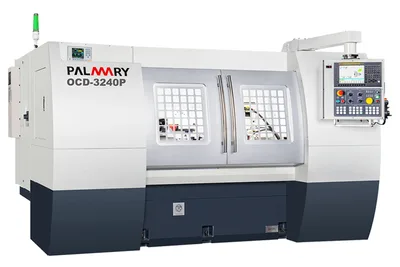
Palmary OCD-3280P
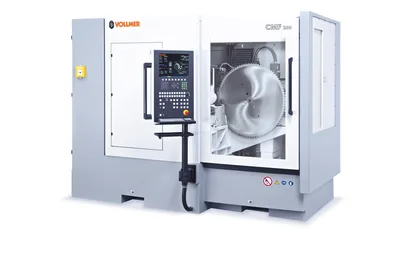
Vollmer CMF 200
DN Solutions DNC 65
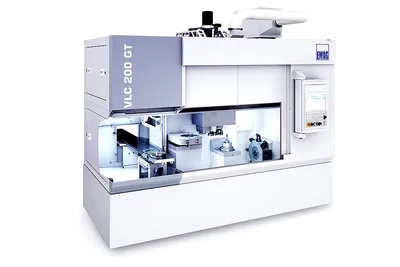
EMAG VLC 200 GT
Jainnher JHA-3508CNC