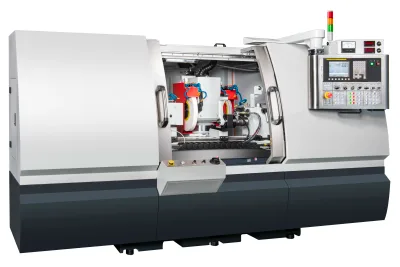
Okuma GI-20NII
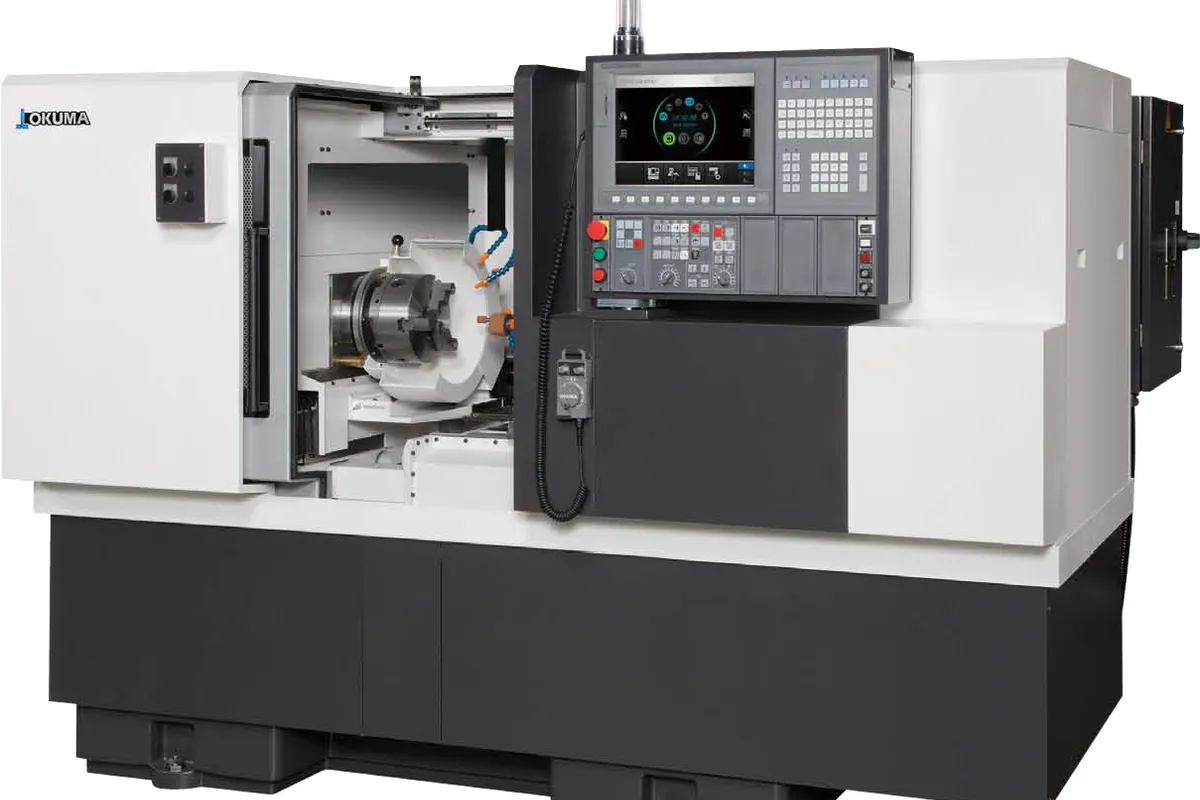
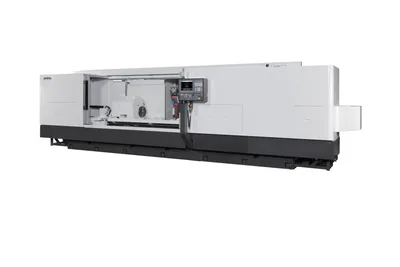
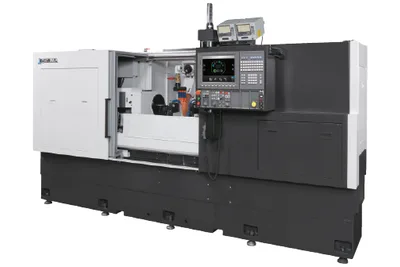
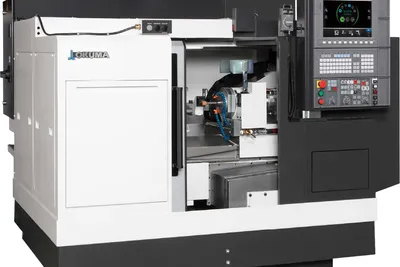
Image: d30jruhmdicmo0.cloudfront.net, Okuma
Key Specifications
Rapid Traverse
max bore diameter
min bore diameter
max workpiece od
grinding spindle speed
control
How much does the Okuma GI-20NII cost?
Estimated price range
Our best estimate for a cnc grinding machine in this class — not a quote from Okuma. Configuration moves it a long way.
Overview
The Okuma GI-20NII is a CNC internal grinder controlled by the Okuma OSP-P300G. What distinguishes its specification is that the grinding length depends on how the machine is configured: 200 mm (7.87 in) in the 1WS and 2WS versions, 130 mm (5.12 in) in the 4WS version, and 300 mm (11.81 in) when the center rest option is fitted.
That spread is the first thing to settle. A buyer who needs the 300 mm figure is buying the center rest, which is an option, and one who chooses the 4WS configuration accepts the shortest grinding length of the three.
Two wheel-spindle types are listed. Belt-driven spindles run to a maximum of 40,000 rpm and high-frequency spindles to a maximum of 150,000 rpm. Wheel speed in internal grinding is governed by the small wheel that has to fit inside the bore, so the high-frequency spindles are what make small bores practical, while the belt-driven type covers larger wheels and bores.
The workhead spindle bore is Ø70 mm (Ø2.76 in), which sets what can pass back into the spindle. Rapid traverse is 12 m/min (472 ipm). The smaller GI-10NII is listed at 20 m/min (787 ipm) on X and 30 m/min (1,181 ipm) on Z, so the GI-20NII is the slower of the two between passes. Okuma ties its bore-diameter range to a stated wheel diameter, so the usable range should be confirmed for the wheel and spindle actually specified.
Full Specifications
| Parameter | Value |
|---|---|
| Max Bore Diameter | 200 mm (7.9 in) |
| Min Bore Diameter | 20 mm (0.8 in) |
| Max Workpiece OD | 300 mm (11.8 in) |
| Grinding Spindle Speed | Up to 40,000 RPM |
| CNC Control | Okuma OSP-P300G |
| Bore Range with 100mm OD Wheel | Ø5-300 |
| Max Grinding Length 1ws 2ws | 200 mm (7.87 in) |
| Max Grinding Length Center Rest Option | 300 mm (11.81 in) |
| Max Grinding Length 4ws | 130 mm (5.12 in) |
| Workhead Spindle Bore | Ø70 mm (Ø2.76 in) |
| Rapid Traverse Rate | 12 m/min (472 ipm) |
| Available Spindles | max: 40,000 rpm max: 150,000 rpm Belt Driven High Frequency |
| Bore Range with 100mm 3 95 OD Wheel | Ø5-300 mm (Ø0.20-11.81 in) |
Specifications sourced from okuma.com — verified 2026-10-03
Strengths & Limitations
Strengths
- Grinding length of 200 mm (7.87 in) in the 1WS and 2WS versions, extendable to 300 mm (11.81 in) with the center rest option
- High-frequency wheel spindles to a maximum of 150,000 rpm for small bores
- Belt-driven wheel spindles to a maximum of 40,000 rpm
- Okuma OSP-P300G control and a Ø70 mm (Ø2.76 in) workhead spindle bore
Limitations
- The 4WS version is limited to a 130 mm (5.12 in) grinding length
- The 300 mm (11.81 in) grinding length requires the center rest option
- Rapid traverse is 12 m/min (472 ipm), below the 20 m/min (787 ipm) and 30 m/min (1,181 ipm) of the GI-10NII
Best For
Frequently Asked Questions
01
It depends on the configuration. Okuma lists 200 mm (7.87 in) for the 1WS and 2WS versions and 130 mm (5.12 in) for the 4WS version. With the center rest option the maximum grinding length is 300 mm (11.81 in).
02
Okuma lists two types: belt-driven spindles with a maximum of 40,000 rpm and high-frequency spindles with a maximum of 150,000 rpm. Choose by bore size, since a small wheel needs high rotational speed to reach a workable surface speed.
03
The Okuma OSP-P300G, Okuma's own control. Rapid traverse on the machine is listed at 12 m/min (472 ipm) and the workhead spindle bore is Ø70 mm (Ø2.76 in).
04
By the listed rapid rates, the GI-10NII is the faster machine at 20 m/min (787 ipm) on X and 30 m/min (1,181 ipm) on Z, against 12 m/min (472 ipm) on the GI-20NII. The GI-20NII page lists the OSP-P300G control and grinding lengths from 130 mm (5.12 in) to 300 mm (11.81 in) depending on configuration.
Videos

Okuma Europe GmbH
Community Discussions
Links to community discussions. Summaries are editorial — visit the original thread for full context.
Comparisons
More from Okuma
Other CNC Grinding Machines
Danobat IRD-500
Junker JUMAT 6000
Palmary OCD-32100CAM
Blohm Profimat 412
EMAG SN 320