Industrial CNC Machine Directory

Okuma GI-10NII

$180,000 - $260,000 Updated 2026-03-13
01

Key Specifications

X Travel

140 mm (5.51 in)

Z Travel

120 mm (4.72 in)

max bore diameter

100 mm (3.9 in)

min bore diameter

10 mm (0.4 in)

max bore depth

100 mm (3.9 in)

max workpiece od

200 mm (7.9 in)

02

Overview

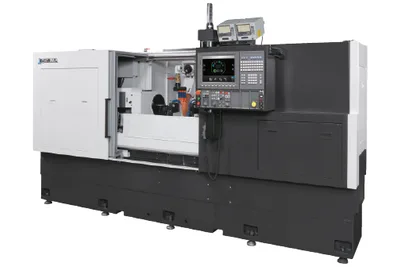
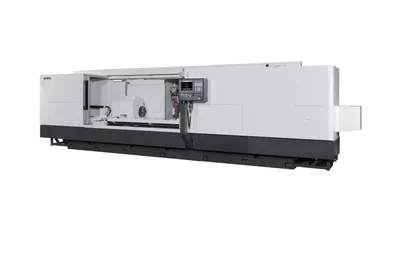
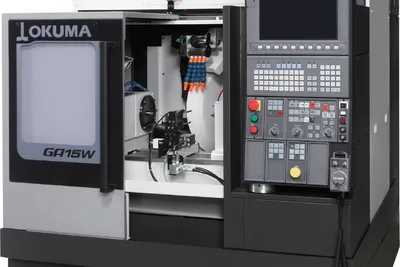
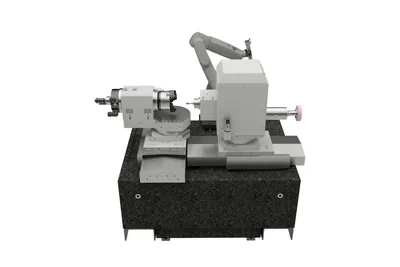
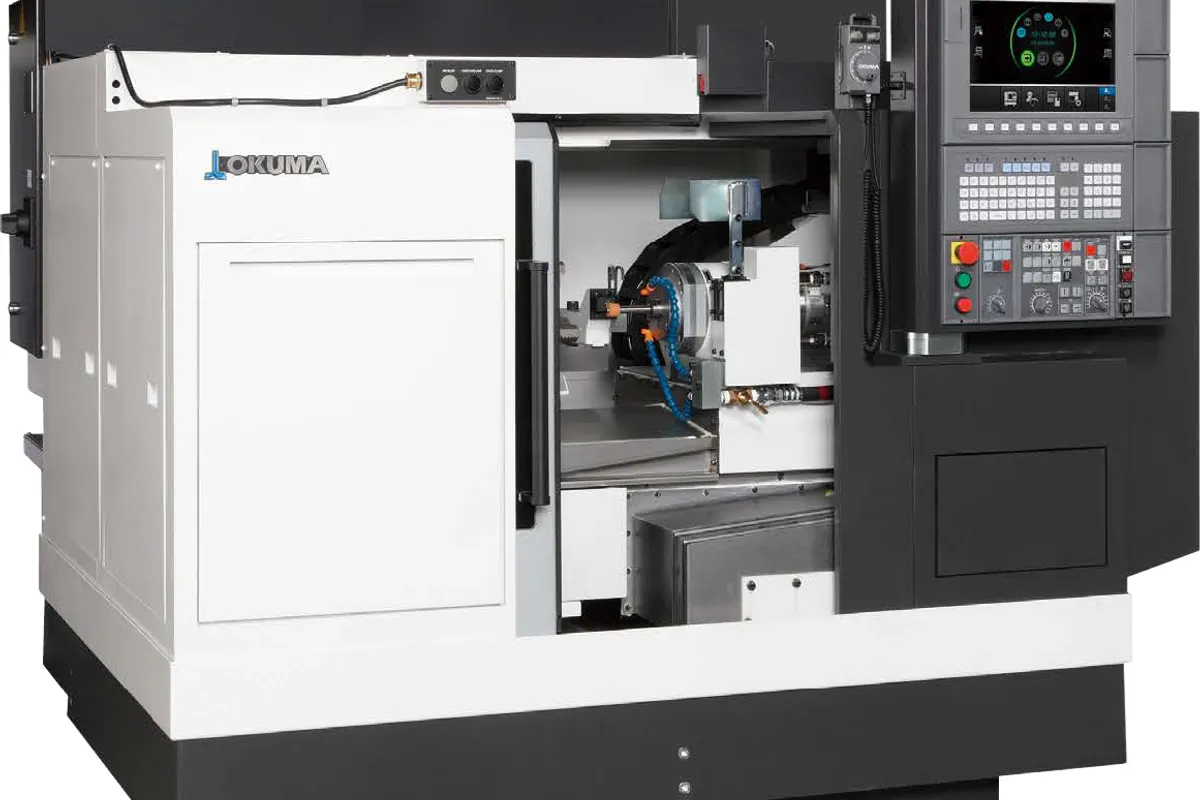
The Okuma GI-10NII is a compact CNC internal grinding machine designed for precision bore grinding of small to medium workpieces. The GI series is Okuma's dedicated internal grinding platform, and the 10NII (second generation of the N series) handles bore diameters from approximately 10 mm to 100 mm (0.4 to 3.9 in) with bore depths up to 100 mm (3.9 in). This machine targets bearing races, gear bores, hydraulic valve bodies, and other components requiring precision ID grinding.

The internal grinding spindle runs at speeds up to 60,000 RPM for small-diameter bores and lower speeds for larger bores, with automatic speed selection based on wheel diameter and bore size. The spindle uses precision angular contact bearings with oil-air lubrication for thermal stability at high speeds. Multiple grinding spindle sizes can be mounted to match the specific bore diameter range being ground.

The X-axis (infeed) travel is 140 mm (5.51 in) with a minimum feed increment of 0.0001 mm (0.000004 in). The Z-axis travel is 120 mm (4.72 in). The workhead spindle provides rotation from 50 to 600 RPM, and the workpiece is typically held in a precision chuck or collet mounted on the workhead. Face grinding capability is included for simultaneous bore and face grinding operations.

The OSP-P300G control manages multi-step internal grinding cycles including rough, semi-finish, finish, and spark-out passes with automatic wheel compensation. Gap elimination senses wheel-to-bore contact to minimize air grinding time on each cycle. In-process bore gauging measures the bore diameter during grinding and controls the final size with automatic wheel retraction at target diameter.

Machine weight is approximately 3,500 kg (7,716 lb). Floor space runs approximately 2,800 x 2,200 mm (110 x 87 in). New pricing typically ranges from $180,000-$260,000. The GI-10NII competes with Studer S121/S131, Danobat IRD, and Voumard machines for precision ID grinding applications.

03

Full Specifications

Parameter Value
Max Bore Diameter 100 mm (3.9 in)
Min Bore Diameter 10 mm (0.4 in)
Max Bore Depth 100 mm (3.9 in)
Max Workpiece Od 200 mm (7.9 in)
Grinding Spindle Speed Up to 60,000 RPM
X-Axis Travel 140 mm (5.51 in)
Z-Axis Travel 120 mm (4.72 in)
Min Feed Increment 0.0001 mm (0.000004 in)
Workhead Speed 50 - 600 RPM
Face Grinding Yes
Machine Weight 3,500 kg (7,716 lb)
Floor Space 2,800 x 2,200 mm (110 x 87 in)
CNC Control Okuma OSP-P300G
Workholding Chuck or collet
Bore Range Ø3-150
Max Grinding Length 150
Workhead Spindle Bore Ø70
Rapid Traverse X 20
Rapid Traverse Z 30
Okuma Global Repair Center Charlotte, North Carolina
Inches Metric

Specifications sourced from okuma.com — verified 2026-03-28

04

Strengths & Limitations

Strengths

  • High-speed internal grinding spindle up to 60,000 RPM enables efficient grinding of small-diameter bores where peripheral speed must be maintained on tiny wheels
  • Combined bore and face grinding capability eliminates a separate operation for components requiring both ground ID and face surfaces
  • 0.0001 mm infeed resolution provides the ultra-fine control needed for finishing precision bores to sub-micron tolerances
  • In-process bore gauging with automatic wheel retraction at target size ensures consistent bore dimensions without post-process measurement and adjustment
  • Compact 2,800 x 2,200 mm footprint fits precision internal grinding into smaller shop spaces and grinding cells
  • Multiple spindle sizes accommodate a wide range of bore diameters from 10 mm to 100 mm without significant changeover

Limitations

  • 100 mm maximum bore diameter limits the machine to small and medium bores; larger ID grinding requires the GI-20NII
  • 100 mm bore depth limits the machine to relatively short bores; deep-hole ID grinding applications require specialized equipment
  • High-speed internal grinding spindles are precision assemblies that require careful maintenance and can be expensive to repair or replace
  • OSP-P300G control has a learning curve for operators transitioning from Fanuc or Siemens-controlled grinders
  • Small internal grinding wheels wear quickly, requiring frequent dressing and replacement that increases cost per part on production runs
05

Best For

Bearing manufacturers grinding inner race bores and outer race IDs requiring precision roundness, surface finish, and diameter control Hydraulic component manufacturers grinding precision valve body bores, spool housing IDs, and pump cylinder bores Automotive manufacturers grinding gear bores, synchronizer hub IDs, and precision bearing fits in transmission components Aerospace manufacturers grinding turbine bearing housing bores and actuator cylinder IDs requiring tight tolerance Tool and die shops grinding precision bushing bores, die guide holes, and jig bore finishes to sub-micron accuracy
06

Frequently Asked Questions

01 What does an Okuma GI-10NII cost?

New pricing ranges from $180,000-$260,000 depending on spindle configurations, in-process gauging, and automation options. The price is competitive with European ID grinders from Studer and Voumard. Multiple spindle packages may be needed if grinding a wide range of bore sizes.

02 How small of a bore can the GI-10NII grind?

The machine can grind bores down to approximately 10 mm (0.4 in) diameter using high-speed spindles running at up to 60,000 RPM. The high spindle speed compensates for the small wheel diameter to maintain effective peripheral grinding speed. Very small bores require matched grinding wheel assemblies.

03 What roundness can the GI-10NII achieve?

With proper setup and process development, the GI-10NII can achieve bore roundness of 0.5 micrometers or better. The precision spindle bearings, fine feed resolution, and in-process gauging all contribute to roundness capability. Actual achievable roundness depends on workpiece material, bore dimensions, and grinding parameters.

04 How does the GI-10NII compare to the GI-20NII?

The GI-20NII handles larger bore diameters (up to approximately 200 mm) and deeper bores. The GI-10NII is optimized for smaller bores with higher spindle speeds for small-diameter wheels. Choose based on your bore diameter range. For shops grinding a wide range of bore sizes, the GI-20NII provides more flexibility, but the GI-10NII is better optimized for smaller precision bores.

07

Videos

2020 Okuma GI-10NII CNC Grinder

2020 Okuma GI-10NII CNC Grinder

Resell CNC

CNC - Grinder GI10NII - Taper Grinding

CNC - Grinder GI10NII - Taper Grinding

Okuma Europe GmbH

Máy mài CNC Okuma GI-10NII. Yamazen Việt Nam. LH: 098 9868 950

Máy mài CNC Okuma GI-10NII. Yamazen Việt Nam. LH: 098 9868 950

Yamazen Việt Nam

Okuma GI 20N CNC ID Grinder

Okuma GI 20N CNC ID Grinder

Investment Recovery Services

Okuma GI 20N CNC ID Grinder

Okuma GI 20N CNC ID Grinder

Investment Recovery Services

08

Comparisons

09

Related Machines