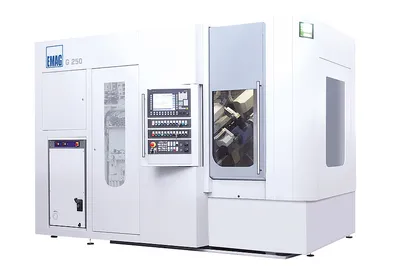
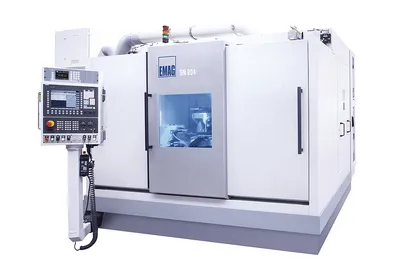
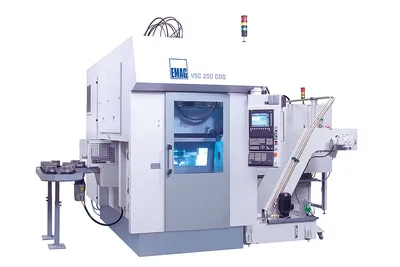
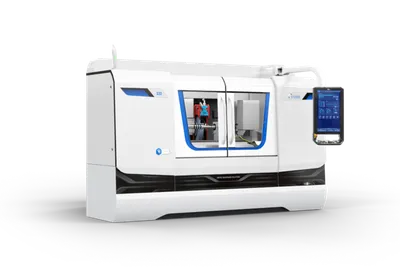
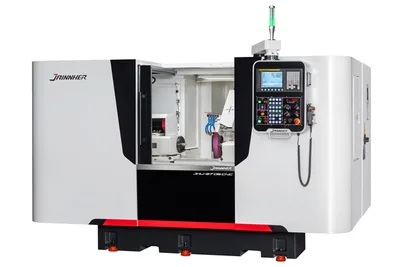
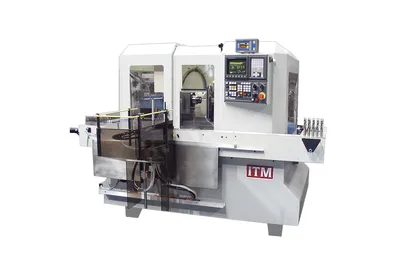
EMAG HG 208
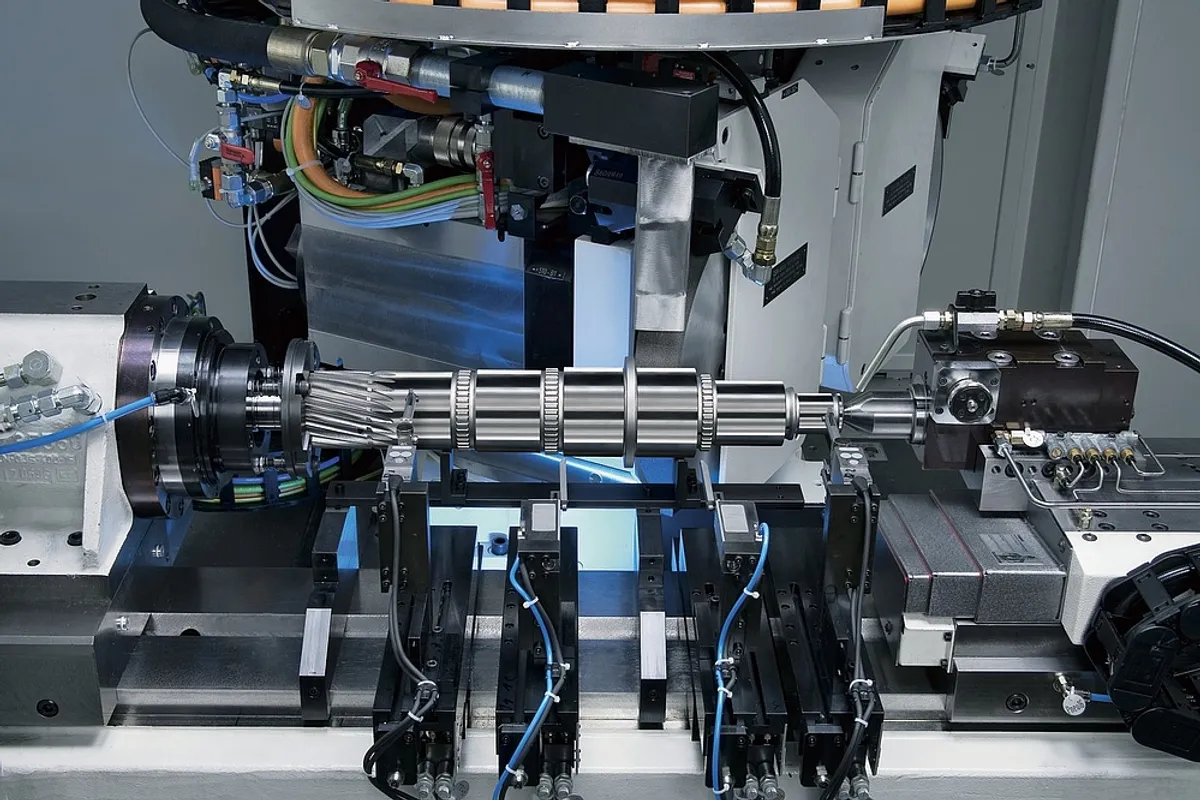
Image: cdn.emag.com, EMAG
Key Specifications
X Travel
Z Travel
Max Workpiece ⌀
max workpiece length
spindle config option 2
wheel balancing
How much does the EMAG HG 208 cost?
Estimated price range
Our best estimate for a cnc grinding machine in this class — not a quote from EMAG. Configuration moves it a long way.
Overview
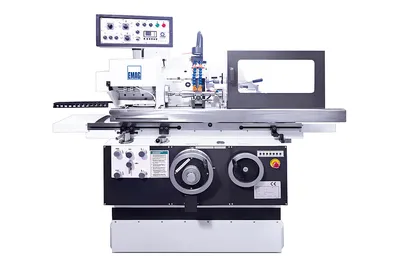
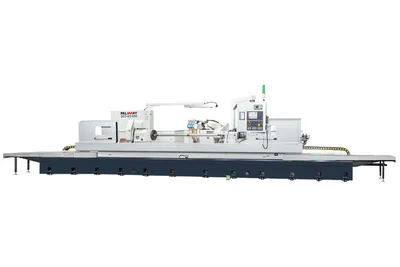
The EMAG HG 208 is an external grinding machine for parts up to 200 mm (8 in) in diameter and 800 mm (31.5 in) long, built on 360 mm (14 in) of X travel and 1,600 mm (63 in) of Z travel. It is the long-axis member of EMAG's HG external grinding range.
The Z stroke is what sets it apart. The HG 204 and the HG 2 both list 1,000 mm (39.5 in) of Z on the same 360 mm (14 in) of X, so the HG 208 adds axial reach, 60% more of it, without changing the cross-slide. Z travel is twice the listed workpiece length, which leaves room to move the wheelhead clear of a long part at either end, or to bring a second spindle into play along the same axis.
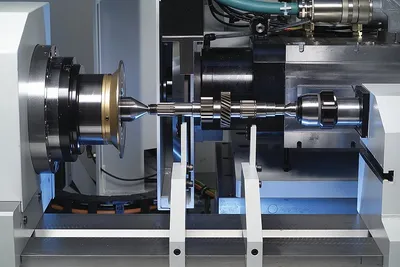
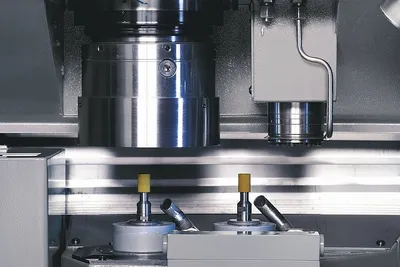
That second spindle is the point of the configuration EMAG lists as option 2: a B-axis carrying one external grinding spindle and two internal grinding spindles, so outside diameters and bores can be finished in one clamping. The table marks the external spindle as 500 mm without saying whether that is the wheel diameter, so confirm it with EMAG when sizing wheels. Wheels can be corundum or CBN, and an automatic balancing unit is listed.
The table gives no spindle power, wheel speed, accuracy or weight figures, so those have to come from a quotation.
Full Specifications
| Parameter | Value |
|---|---|
| Max Workpiece Diameter | 200 mm (8 in) |
| Max Workpiece Length | 800 mm (31.5 in) |
| Spindle Config Option 2 | B-axis with 1 external (500 mm) + 2 internal grinding spindles |
| Wheel Balancing | Automatic balancing unit |
| Grinding Media | Corundum or CBN |
| X-Axis Travel | 360 mm (14 in) |
| Z-Axis Travel | 1,600 mm (63 in) |
Specifications sourced from emag.com — verified 2026-10-03
Strengths & Limitations
Strengths
- 1,600 mm (63 in) of Z travel, against the 1,000 mm (39.5 in) listed for the HG 204 and HG 2
- Listed B-axis configuration with 1 external and 2 internal grinding spindles for OD and bore work in one clamping
- Takes parts up to 200 mm (8 in) in diameter and 800 mm (31.5 in) long
- Runs corundum or CBN wheels, with an automatic balancing unit listed
Limitations
- Workpiece diameter stops at 200 mm (8 in), so larger discs and flanges need another machine
- The B-axis multi-spindle head is listed as option 2, not as the base build
- No spindle power, wheel speed or accuracy figures are given in the table
Best For
Frequently Asked Questions
01
Z travel. The HG 208 lists 1,600 mm (63 in) of Z, the HG 204 lists 1,000 mm (39.5 in). Both have 360 mm (14 in) of X travel, so the cross-slide reach is the same and the difference is axial length.
02
Yes, in the configuration EMAG lists as option 2. A B-axis carries one external grinding spindle and two internal grinding spindles, so an outside diameter and two bore features can be ground without reclamping the part. Check which configuration a quoted machine actually has.
03
Up to 200 mm (8 in) in diameter and 800 mm (31.5 in) in length. X travel is 360 mm (14 in) and Z travel 1,600 mm (63 in), so the axes have room beyond the part in both directions.