Okuma VTR-350A
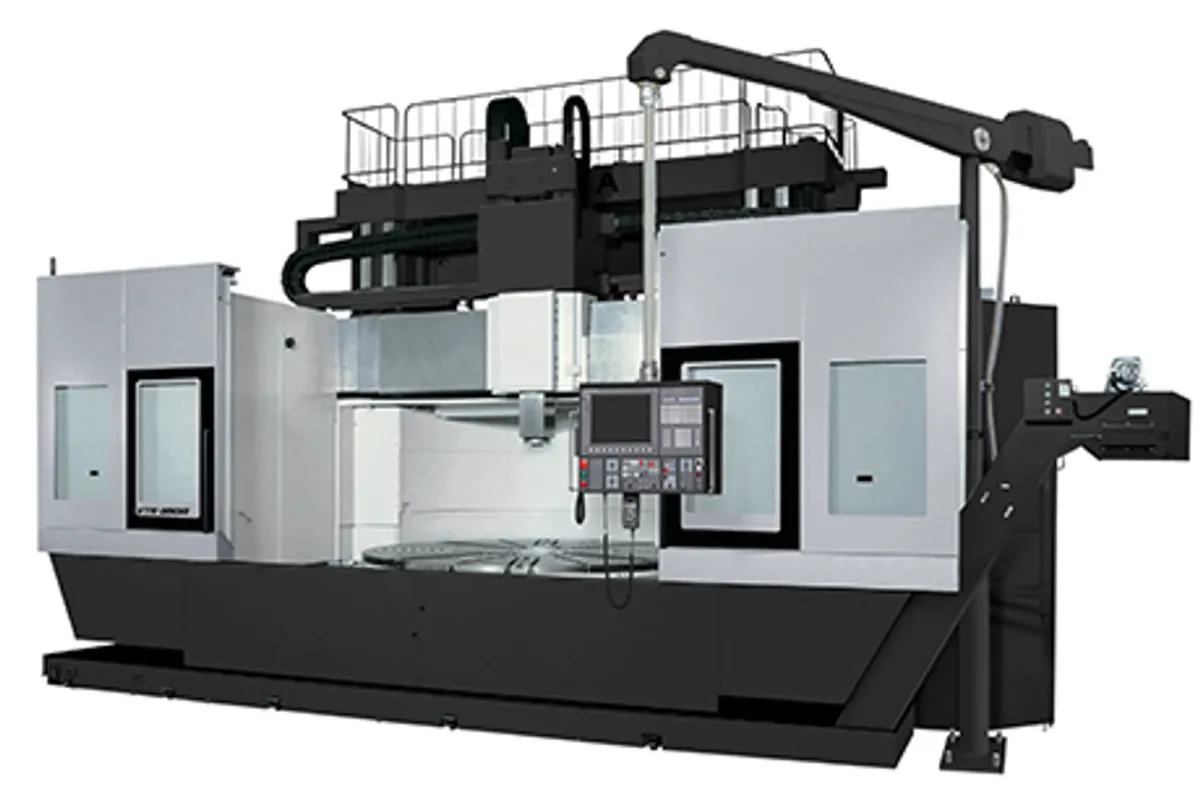
Image: d30jruhmdicmo0.cloudfront.net, Okuma
Key Specifications
Z Travel
Table Size
Spindle Power
Max Turn Length
max turning diameter
max table load
How much does the Okuma VTR-350A cost?
Estimated price range
Our best estimate for a cnc lathes / turning center in this class — not a quote from Okuma. Configuration moves it a long way.
Overview
The Okuma VTR-350A is a table-type turning machine for very large work: a 3,000 mm (118.11 in) table rated for 20,000 kg (44,000 lbs), with a maximum turning diameter of Ø3,500 mm (137.79 in). The tool is carried on a ram, and the ram hangs from an elevating rail, so the machine can be set low for discs and rings or raised for tall housings.
The standard build turns work up to 1,600 mm (62.99 in) high, with 2,000 mm (78.74 in) and 2,400 mm (94.49 in) listed as options. Ram travel in Z is 1,250 mm (49.21 in), or 1,500 mm (59.06 in) as the option. The elevating rail, the W axis, moves 800 mm (31.50 in) as standard, with 1,000 mm (39.37 in) and 1,200 mm (47.24 in) versions offered. The point of the rail is stiffness: bringing it down to the part keeps the ram extension short, and a short ram deflects less under a heavy cut.
The drive matches the size of the work. Okuma lists 55/45 kW (74/60 hp), a table speed of 1–160 rpm and spindle torque of 42.5/34.8 kNm (31,346/25,667 lb-ft), with a higher 58.0/46.4 kNm (42,779/34,223 lb-ft) rating in brackets as the option. At these diameters torque is the figure to buy on, because a roughing cut at the rim of a part this wide multiplies the cutting force by a long lever arm. A 160 rpm top speed is plenty at the rim and restrictive only on small bores near the centre.
The table also lists a C axis: 360° with a minimum control angle of 0.001°. The published rows include no milling spindle, tool changer, machine weight or floor-space figure, so ask Okuma what rotating-tool equipment is offered and plan the foundation, crane capacity and rigging from the installation drawings.
Full Specifications
| Parameter | Value |
|---|---|
| Max Turning Diameter | Ø137.79 in |
| Max Turning Length | 1,600 [2,000; 2,400] mm (62.99 [78.74, 94.49] in) |
| Table Size | 3,000 mm (118.11 in) |
| Max Table Load | 20,000 kg (44,000 lbs) |
| Z Axis Travel Ram | 1,250 [1,500] mm (49.21 [59.06] in) |
| W Axis Elevating Rail | 800 [1,000; 1,200] mm (31.50 [39.37, 47.24] in) |
| Spindle Speed | 1–160 rpm (rpm) |
| Spindle Torque | 42.5/34.8 [58.0/46.4] kNm (31,346/25,667 [42,779/34223] lb-ft) |
| C Axis | 360 (minimum control angle: 0.001) |
| Swing Max Turn | Ø3,500 mm |
| Max Load | 20,000 kg (44,000 lbs) |
| Spindle Motor Power | 55/45 kW (74/60 hp) |
| Torque | 31,346/25,667 [42,779/34223] lb-ft |
| Z-Axis Travel | 1,250 [1,500] mm (49.21 [59.06] in) |
| Travel W | 800 [1,000; 1,200] mm (31.50 [39.37, 47.24] in) |
Specifications sourced from okuma.com — verified 2026-10-03
Strengths & Limitations
Strengths
- Table load of 20,000 kg (44,000 lbs) on a 3,000 mm (118.11 in) table
- Maximum turning diameter of Ø3,500 mm (137.79 in)
- Spindle torque of 42.5/34.8 kNm (31,346/25,667 lb-ft), with 58.0/46.4 kNm (42,779/34,223 lb-ft) as the bracketed option
- Elevating rail with 800 mm (31.50 in) of W travel keeps the ram short on low parts; 1,000 mm (39.37 in) and 1,200 mm (47.24 in) rails are options
- C axis with a minimum control angle of 0.001°
Limitations
- Top table speed is 160 rpm, so small-diameter features are cut at low surface speed
- Turning heights of 2,000 mm (78.74 in) and 2,400 mm (94.49 in) are options; the standard machine takes 1,600 mm (62.99 in)
- The higher torque rating and the 1,500 mm (59.06 in) ram travel are options, not part of the standard build
- The table is 3,000 mm (118.11 in) across against a Ø3,500 mm turning diameter, so the largest parts overhang it and need fixturing to suit
Best For
Frequently Asked Questions
01
The maximum turning diameter is Ø3,500 mm (137.79 in) on a 3,000 mm (118.11 in) table. Standard turning height is 1,600 mm (62.99 in), with 2,000 mm (78.74 in) and 2,400 mm (94.49 in) as options. The table carries up to 20,000 kg (44,000 lbs).
02
Okuma lists 55/45 kW (74/60 hp) and 42.5/34.8 kNm (31,346/25,667 lb-ft) of spindle torque, with a 58.0/46.4 kNm (42,779/34,223 lb-ft) option. Table speed is 1–160 rpm.
03
The ram has 1,250 mm (49.21 in) of Z travel as standard and 1,500 mm (59.06 in) as the option. The elevating rail, the W axis, travels 800 mm (31.50 in), with 1,000 mm (39.37 in) and 1,200 mm (47.24 in) options. Match the rail option to the turning-height option being ordered.
04
Yes. The table lists a C axis covering 360° with a minimum control angle of 0.001°. The published rows do not include a milling spindle or tool changer, so confirm with Okuma what rotating-tool equipment can be fitted before planning drilled or milled features.
Videos

OKUMAOFFICIAL

usedmachinemania

PRIDEMACHINERY
Community Discussions
Links to community discussions. Summaries are editorial — visit the original thread for full context.
More from Okuma
Other CNC Lathes / Turning Centers
Victor Taichung Vturn-V560
Haas SB-35LY
Republic Lagun AT-1840-G-TW-CNC
Sharp STB-38