Okuma MCR-S
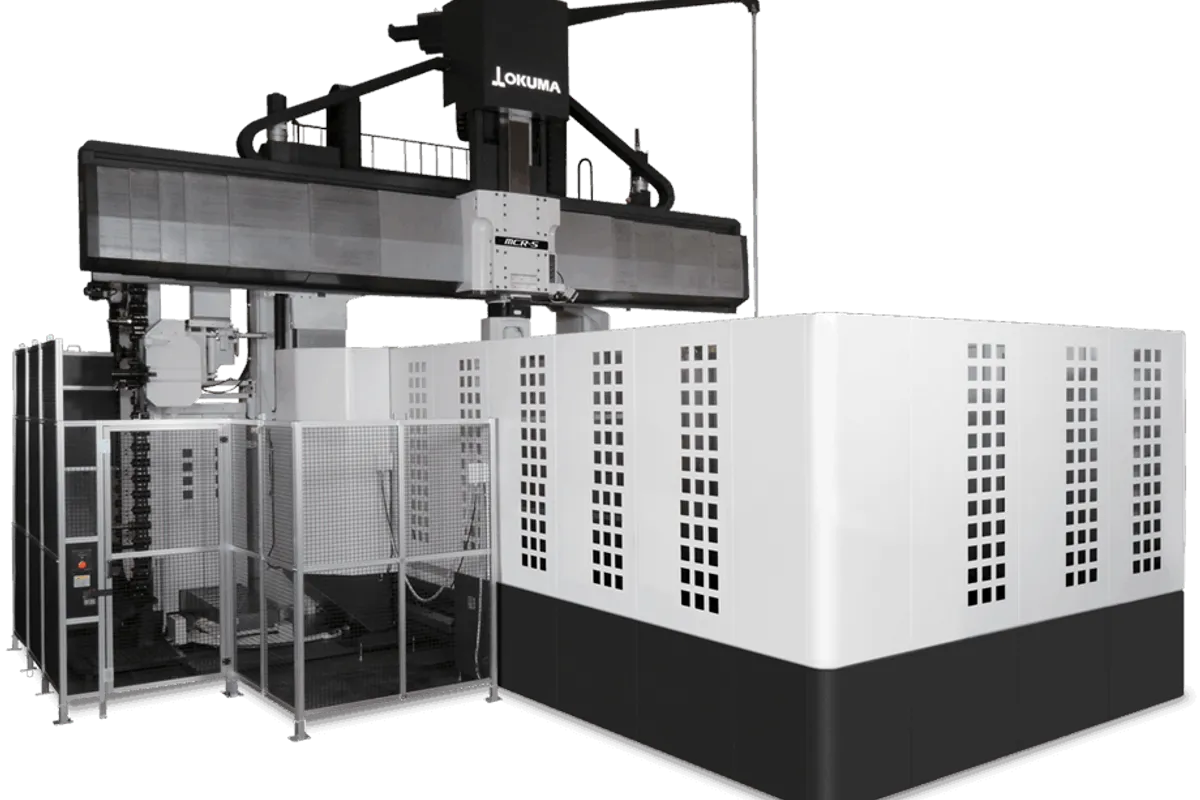
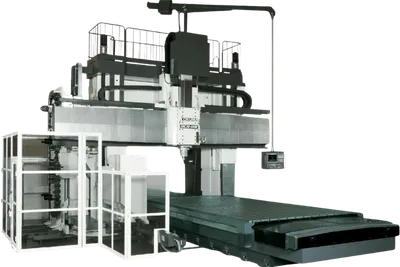
Image: d30jruhmdicmo0.cloudfront.net, Okuma
Key Specifications
X Travel
Tool Capacity
Spindle Power
effective gate width
rapid traverse z
width between columns
How much does the Okuma MCR-S cost?
Estimated price range
Our best estimate for a vertical machining centers (vmc) in this class — not a quote from Okuma. Configuration moves it a long way.
Overview
The Okuma MCR-S is a double-column machining center with a 30–10,000 rpm spindle as its only listed spindle, driven by a 26/22 kW (35/30 hp) motor. On several other MCR models that speed is an option or absent; the MCR-BV, for instance, lists a single 30–6,000 rpm range.
The size choices are narrower than on the longer MCR machines. Effective gate width is 2,650 mm or 3,150 mm, given as 104.33 [124.02] in between columns, and X-axis travel is 4,200 mm (165.35 in), with 5,200 mm (204.72 in) and 6,700 mm tables optional. The MCR-BV shares those starting figures but continues to 143.70 in between columns and 480.31 in of X.
Rapid traverse is 30 m/min (98.43 fpm) in X, 32 m/min in Y and 15 m/min (49.22 fpm) in Z. Together with the 10,000 rpm spindle, that points the MCR-S at mould bases, aluminium structures and finishing of large surfaces, where feed and speed count for more than the heaviest cut. For heavy roughing the motor is the limit: 26/22 kW against 45/37 kW (60/50 hp) on the MCR-C.
The magazine holds 50 tools, with 80, 100, 120 and 180 optional. No spindle taper, table load or Y and Z travel is given on the product page.
Full Specifications
| Parameter | Value |
|---|---|
| Effective Gate Width | 2,650 mm / 3,150 mm |
| Spindle Motor Power | 26/22 kW (35/30 hp) |
| Rapid Traverse Z | 15 m/min (49.22 fpm) |
| Tool Capacity | 50 [80, 100, 120, 180] |
| Width Between Columns | 2,650 [3,150] mm (104.33 [124.02] in) |
| Table Travel | 4,200 [5,200; 6,700] |
| Spindle Range | 30~10,000 |
| Rapid Traverse Rate X | 30 m/min |
| Rapid Traverse Rate Y | 32 m/min |
| Rapid Traverse Rate Z | 15 m/min |
| X-Axis Travel | 4,200 [5,200; 6,700] mm (165.35 [204.72] in) |
| Spindle Speed | 30–10,000 rpm |
| Rapid Traverse X | 30 m/min (98.43 fpm) |
Specifications sourced from okuma.com — verified 2026-10-03
Strengths & Limitations
Strengths
- 30–10,000 rpm spindle as the listed specification, with no option needed
- Rapids of 30 m/min (98.43 fpm) in X and 32 m/min in Y
- Two gate widths, 2,650 mm and 3,150 mm, and three X travels: 4,200, 5,200 and 6,700 mm
- 50-tool magazine with 80, 100, 120 and 180 tool options
Limitations
- One motor rating only: 26/22 kW (35/30 hp), against 45/37 kW (60/50 hp) on the MCR-C
- Longest X travel is 6,700 mm; the MCR-A5CII is offered to 12,050 mm (474.41 in)
- Z rapid of 15 m/min (49.22 fpm) is half the X figure
- Spindle speed starts at 30 rpm, so very large boring tools cannot be run as slowly as on the MCR-C, which starts at 10 rpm
- Spindle taper and table load are not stated among the published rows
Best For
Frequently Asked Questions
01
The spindle range is 30–10,000 rpm, and it is the only range listed. The motor is rated 26/22 kW (35/30 hp). That combination favours finishing and lighter, faster cutting over the heaviest roughing.
02
Two widths and three lengths. The effective gate width is 2,650 mm or 3,150 mm, listed as 104.33 [124.02] in between columns. X-axis travel is 4,200 mm (165.35 in) as standard, with 5,200 mm (204.72 in) and 6,700 mm as options.
03
X rapid is 30 m/min (98.43 fpm), Y is 32 m/min and Z is 15 m/min (49.22 fpm). These match the 98.43 x 104.99 x 49.22 fpm listed for the MCR-BV, so the two machines position at the same pace.
04
For heavy cutting the MCR-C is the stronger machine, with a 45/37 kW (60/50 hp) motor and a 10–4,000 rpm spindle on a No. 50 taper, against 26/22 kW (35/30 hp) and 30–10,000 rpm on the MCR-S. The MCR-S is the choice when spindle speed and a faster X rapid, 30 m/min against 24 m/min on the MCR-C, matter more than motor power.
Videos

Okuma America Corporation

Okuma Europe GmbH

Okuma America Corporation

OKUMAOFFICIAL
More from Okuma

Other Vertical Machining Centers (VMC)
AWEA LP-4016
Hedelius FORTE 50 Single 1120 EL
Stama MC 326
Feeler FDM-8232
Akira Seiki SR45 XP