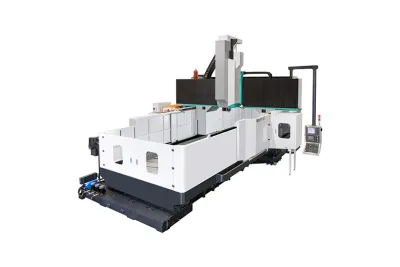
Okuma MCR-C
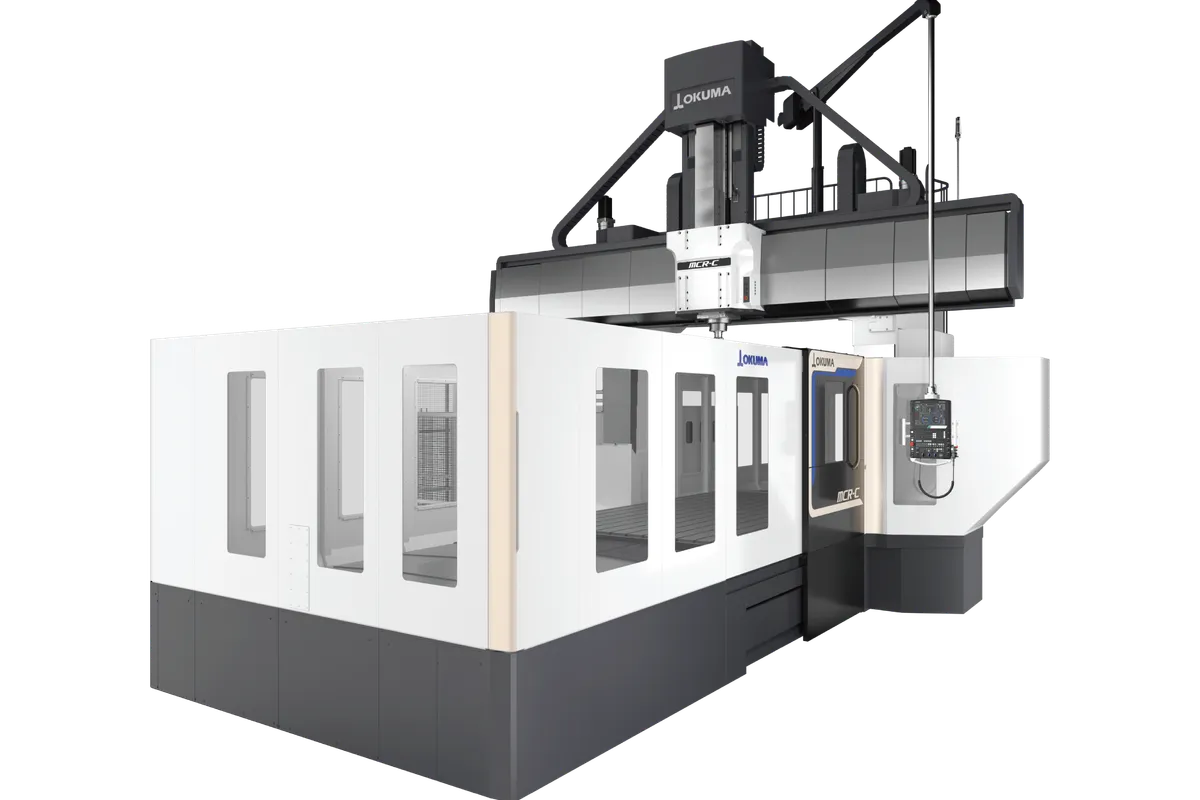
Image: d30jruhmdicmo0.cloudfront.net, Okuma
Key Specifications
X Travel
Spindle Taper
Tool Capacity
Spindle Power
distance between columns
width between columns
How much does the Okuma MCR-C cost?
Estimated price range
Our best estimate for a vertical machining centers (vmc) in this class — not a quote from Okuma. Configuration moves it a long way.
Overview
The Okuma MCR-C is the heavy-cutting member of the MCR double-column family: a No. 50 spindle driven by a 45/37 kW (60/50 hp) motor, turning 10–4,000 rpm as standard.
The motor is the reason to look at this model. Its standard rating is above the 43/37/30 kW of the MCR-BV and well above the 26/22 kW (35/30 hp) of the MCR-S, and it is paired with a speed range that starts at 10 rpm, low enough for large-diameter boring and face milling at sensible surface speeds. A 10–6,000 rpm spindle is the option, and a 37/30 kW (50/40 hp) motor is bracketed as the alternative rating.
Width between columns is 2,650 mm (104.33 in) as standard, with 3,150 mm (124.02 in) and 3,650 mm (143.70 in) options. X-axis travel starts at 4,200 mm (165.35 in), and longer tables begin at 5,200 mm (204.72 in). The metric and inch ends of Okuma's travel range do not correspond to each other, so confirm the longest available table directly.
Rapid traverse is 24 m/min (944.88 ipm) in X and Y and 15 m/min (590.55 ipm) in Z. The MCR-S is quicker in X at 30 m/min (98.43 fpm), which fits the MCR-C's emphasis on cutting load over positioning speed. The magazine holds 50 tools, with 80, 100, 120 and 180 optional.
Full Specifications
| Parameter | Value |
|---|---|
| X-Axis Travel | 4,200 [5,200 - 10,200] mm (165.35 [204.72 - 480.31] in) |
| Spindle Taper | No. 50 |
| Spindle Motor Power | 45/37 [37/30] kW (60/50 [50/40] hp) |
| Tool Capacity | 50 [80, 100, 120, 180] |
| Distance Between Columns | 2,650 mm to 3,650 mm (104.3 to 143.7 in) |
| Width Between Columns | 2,650 [3,150; 3,650] mm (104.33 [124.02, 143.70] in) |
| Table Travel | 4,200 [5,200 - 10,200] |
| Spindle Range | 10~4,000 [10~6,000] |
| Rapid Traverse Rate Xy | 24 |
| Rapid Traverse Rate Z | 15 m/min (590.55 ipm) |
| Rapid Traverse Rate X Y | 24 m/min (944.88 ipm) |
| Spindle Speed | 10–4,000 [10–6,000] rpm |
| Rapid Traverse Z | 15 m/min (590.55 ipm) |
Specifications sourced from okuma.com — verified 2026-10-03
Strengths & Limitations
Strengths
- 45/37 kW (60/50 hp) standard spindle motor on a No. 50 taper
- Spindle range starts at 10 rpm: 10–4,000 rpm standard, 10–6,000 rpm optional
- Three column widths: 2,650 mm (104.33 in), 3,150 mm (124.02 in) and 3,650 mm (143.70 in)
- X-axis travel of 4,200 mm (165.35 in) on the base table, with longer tables from 5,200 mm (204.72 in)
- 50 tools standard and up to 180 as an option
Limitations
- Top spindle speed is 4,000 rpm as standard and 6,000 rpm with the option, so small-tool finishing is slow
- X and Y rapids of 24 m/min (944.88 ipm) trail the 30 m/min (98.43 fpm) X rapid of the MCR-S
- Okuma's X travel row gives upper limits in mm and inches that do not match, so the longest table must be confirmed
- Table load and the Y and Z travels are not stated among the published rows
Best For
Frequently Asked Questions
01
The standard motor is 45/37 kW (60/50 hp). A 37/30 kW (50/40 hp) motor is listed in brackets as the alternative. The spindle taper is No. 50 and the standard speed range is 10–4,000 rpm, so the power is available for large cutters at low speed.
02
Two: 10–4,000 rpm as standard and 10–6,000 rpm as the option. Both start at 10 rpm. If the work includes a lot of small-diameter tooling, the MCR-S with its 30–10,000 rpm spindle is the closer fit.
03
The width between columns is 2,650 mm (104.33 in), 3,150 mm (124.02 in) or 3,650 mm (143.70 in). X-axis travel is 4,200 mm (165.35 in) on the base machine, with longer tables starting at 5,200 mm (204.72 in). Ask Okuma for the longest table, because the mm and inch figures at the top of the published range disagree.
04
24 m/min (944.88 ipm) in X and Y and 15 m/min (590.55 ipm) in Z. On a table several metres long the X figure sets how long repositioning between features takes, so include it when estimating cycle time for parts with widely spaced features.
05
50 tools as standard, with 80, 100, 120 or 180 optional. Heavy roughing wears inserts quickly, and a larger magazine lets duplicate cutters stand by so a long cycle can finish without a stop for tooling.
Videos

OKUMA CORPORATION JAPAN
More from Okuma
Other Vertical Machining Centers (VMC)
Hedelius FORTE 11-6200
HNK HPM-15H (15x40)
Feeler FDM-8228
Makino iQ500
Spinner VC750