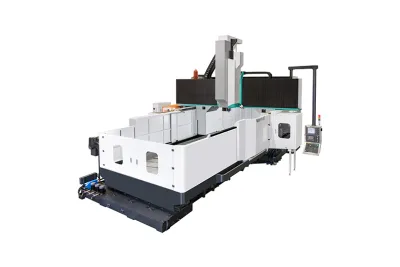
Okuma MCR-BV
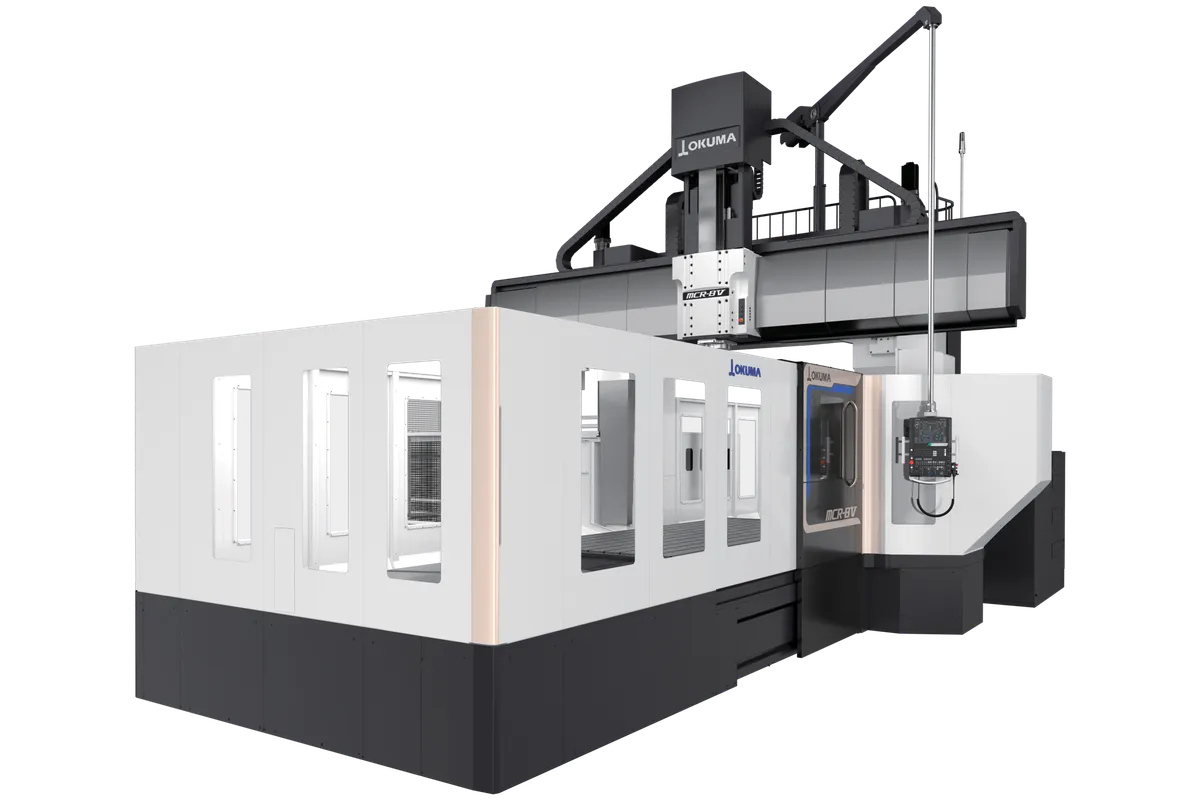
Image: d30jruhmdicmo0.cloudfront.net, Okuma
Key Specifications
X Travel
Spindle Taper
Tool Capacity
Rapid Traverse
Spindle Power
width between columns
How much does the Okuma MCR-BV cost?
Estimated price range
Our best estimate for a vertical machining centers (vmc) in this class — not a quote from Okuma. Configuration moves it a long way.
Overview
The Okuma MCR-BV is a No. 50 (BT 50) double-column machining center built around a 43/37/30 kW (57/50/40 hp) spindle motor and a single 30–6,000 rpm speed range.
That motor row gives three figures where most Okuma rows give two, which indicates three duty ratings. The page does not label them, so treat the lowest, 30 kW (40 hp), as the safe basis for long cuts until Okuma confirms the rating periods. A 26/22 kW (35/30 hp) motor is the bracketed alternative.
The machine is sized by column width and table length. Width between columns is 104.33 in as standard, with 124.02 and 143.70 in options. X-axis travel starts at 165.35 in, and longer tables run from 204.72 to 480.31 in. Even the shortest MCR-BV table is longer than the 118.11 in base table of the MCR-BIII.
Rapid traverse is 98.43 x 104.99 x 49.22 fpm for X, Y and Z. The magazine holds 50 tools as standard, with 80, 100, 120 and 180 as options. With one spindle range and no high-speed alternative listed, this is a machine for milling, drilling and boring large steel and iron parts, not for small-tool finishing at high rpm.
Full Specifications
| Parameter | Value |
|---|---|
| X-Axis Travel | 4,200 [5,200 - 12,200] in (165.35 [204.72–480.31] in) |
| Spindle Taper | No. 50 (BT 50) |
| Spindle Motor Power | 43/37/30 [26/22] kW (57/50/40 [35/30] hp) |
| Tool Capacity | 50 [80, 100, 120, 180] |
| Width Between Columns | 2,650 [3,150; 3,650] in (104.33 [124.02, 143.70] in) |
| Table Travel | 4,200 [5,200 - 12,200] |
| Spindle Range | 30~6,000 |
| X Axis Travel | 165.35 [204.72 ~ 480.31] in |
| Rapid Traverse Rate Xyz | 98.43 x 104.99 x 49.22 fpm |
| Spindle Speed | 30–6,000 rpm |
| Rapid Traverse Rate | 30/32/15 ipm |
Specifications sourced from okuma.com — verified 2026-10-03
Strengths & Limitations
Strengths
- 43/37/30 kW (57/50/40 hp) spindle motor as standard
- 30–6,000 rpm spindle range on a No. 50 (BT 50) taper without ordering an option
- X-axis travel from 165.35 in up to 480.31 in
- Three column widths: 104.33, 124.02 and 143.70 in
- 50-tool standard magazine with 80, 100, 120 and 180 tool options
Limitations
- Only one spindle range, 30–6,000 rpm, is listed; the MCR-S reaches 10,000 rpm
- Z rapid of 49.22 fpm is the slowest of the three axes
- The minimum spindle speed is 30 rpm, where the MCR-C range starts at 10 rpm
- Table load and the Y and Z travels are not among the published rows
Best For
Frequently Asked Questions
01
A No. 50 (BT 50) spindle with a 30–6,000 rpm range. The standard motor is listed as 43/37/30 kW (57/50/40 hp), and a 26/22 kW (35/30 hp) motor is the bracketed alternative. No other speed range is listed for this model.
02
X-axis travel is 165.35 in on the base machine, with optional tables from 204.72 to 480.31 in. The width between columns is 104.33 in as standard, with 124.02 in and 143.70 in as options.
03
The rapid traverse row gives 98.43 x 104.99 x 49.22 fpm for X, Y and Z. X and Y are close to each other and Z is roughly half of either, which is worth allowing for when estimating cycle times on parts with many holes.
04
The two share their base figures: the MCR-S lists 4,200 [5,200; 6,700] mm (165.35 [204.72] in) of X and 2,650 [3,150] mm (104.33 [124.02] in) between columns. The MCR-BV goes further in both, to 480.31 in of X and 143.70 in between columns, and has a 43/37/30 kW motor against 26/22 kW (35/30 hp) on the MCR-S. The MCR-S spindle runs faster, at 30–10,000 rpm.
Videos

OKUMA CORPORATION JAPAN
Community Discussions
Pricing and buying discussion
Links to community discussions. Summaries are editorial — visit the original thread for full context.
More from Okuma
Other Vertical Machining Centers (VMC)
Röders RXU2600
Hedelius FORTE 11-4600
Fadal VMC 8032
Hyundai WIA KF5700
HNK HPM-15H (15x30)