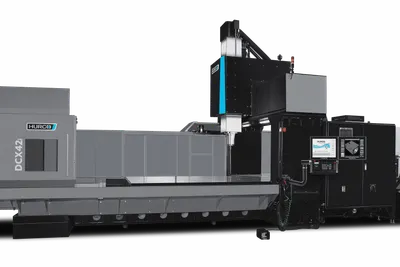
Mazak NEXUS 510C-II
This model was not found in Yamazaki Mazak's current lineup when we checked on 2026-09-24 (lineup page). It may be a superseded or older model; the specifications below are as we last recorded them.
Key Specifications
Max Spindle
Spindle Taper
Tool Capacity
Table Size
Spindle Power
x axis travel
How much does the Mazak NEXUS 510C-II cost?
Estimated price range
Our best estimate for a vertical machining centers (vmc) in this class — not a quote from Yamazaki Mazak. Configuration moves it a long way.
Overview
The Mazak NEXUS 510C-II is a 40-taper vertical machining center with listed travels of 1,020 × 510 × 510 mm (40.2 × 20.1 × 20.1 in) and a 1,150 x 510 mm (45.3 x 20.1 in) table. It is not in Mazak's current lineup, so this page mostly serves someone assessing a second-hand machine. The figures are the listed ones and should be checked against the documents of the machine itself.
Y travel equals the table depth at 510 mm (20.1 in), so the spindle reaches the whole table front to back. The table is longer than the X travel, 1,150 mm (45.3 in) against 1,020 mm (40.2 in), which leaves the ends for clamps. Z is also 510 mm (20.1 in). The listed maximum workpiece weight is 800 kg (1,764 lb).
The spindle is listed at 12,000 RPM with 15,000 RPM optional, on a CAT 40 taper with BT 40 optional. Power is 18.5 kW (25 hp) at 25% ED and 11 kW (15 hp) continuous, and torque is 119 Nm (88 ft-lb) at 25% ED. The gap between the two power ratings matters in practice: a long roughing cut should be planned around the 11 kW (15 hp) continuous figure, and the higher one kept for short bursts.
Rapids are 42 m/min (1,654 ipm) in X and Y and 36 m/min (1,417 ipm) in Z. The magazine holds 30 tools as standard with 60 optional, and takes tools up to 100 mm (3.94 in) in diameter, 350 mm (13.8 in) long and 8 kg (17.6 lb). Because spindle speed, taper and magazine all had options, the first job with any used example is to establish which were fitted. Listed machine weight is 8,500 kg (18,739 lb).
Full Specifications
| Parameter | Value |
|---|---|
| X Axis Travel | 1,020 mm (40.2 in) |
| Y Axis Travel | 510 mm (20.1 in) |
| Z Axis Travel | 510 mm (20.1 in) |
| Table Size | 1,150 x 510 mm (45.3 x 20.1 in) |
| Max Workpiece Weight | 800 kg (1,764 lb) |
| Max Spindle Speed | 12,000 RPM (15,000 RPM optional) |
| Spindle Taper | CAT 40 (BT 40 optional) |
| Spindle Motor Power | 18.5 kW (25 hp) at 25% ED; 11 kW (15 hp) continuous |
| Spindle Torque | 119 Nm (88 ft-lb) at 25% ED |
| Rapid Traverse Xy | 42 m/min (1,654 ipm) |
| Rapid Traverse Z | 36 m/min (1,417 ipm) |
| Tool Capacity | 30 tools standard (60 optional) |
| Max Tool Diameter (full magazine) | 100 mm (3.94 in) |
| Max Tool Length | 350 mm (13.8 in) |
| Max Tool Weight | 8 kg (17.6 lb) |
| Machine Weight | 8,500 kg (18,739 lb) |
| CNC Control | MAZATROL SmoothG CNC |
Specifications compiled from manufacturer literature and industry references. Not independently verified against a published spec sheet — confirm with the manufacturer or an authorised dealer before making a purchasing decision.
Strengths & Limitations
Strengths
- Listed travels of 1,020 × 510 × 510 mm (40.2 × 20.1 × 20.1 in), with Y matching the 510 mm (20.1 in) table depth
- 12,000 RPM listed as the standard spindle speed, with 15,000 RPM optional
- Rapids of 42 m/min (1,654 ipm) in X and Y and 36 m/min (1,417 ipm) in Z
- 30-tool magazine as standard, with 60 tools optional
Limitations
- Not in Mazak's current lineup, so the listed figures need confirming on the machine
- Continuous power is 11 kW (15 hp); the 18.5 kW (25 hp) figure applies only at 25% ED
- Torque of 119 Nm (88 ft-lb) at 25% ED limits large face mills and big drills in steel
- Maximum workpiece weight of 800 kg (1,764 lb), which a heavy fixture and part can use up quickly
- Tools are limited to 100 mm (3.94 in) in diameter and 8 kg (17.6 lb)
Best For
Frequently Asked Questions
01
It is not in Mazak's current lineup. Anyone buying one used should confirm from the machine which spindle (12,000 or 15,000 RPM), which taper (CAT 40 or BT 40) and which magazine (30 or 60 tools) it has, because the listed table shows an option for each.
02
Listed travels are 1,020 mm (40.2 in) in X, 510 mm (20.1 in) in Y and 510 mm (20.1 in) in Z. The table is 1,150 x 510 mm (45.3 x 20.1 in), and the maximum workpiece weight is 800 kg (1,764 lb).
03
The listed rating is 18.5 kW (25 hp) at 25% ED and 11 kW (15 hp) continuous, with 119 Nm (88 ft-lb) of torque at 25% ED. Top speed is 12,000 RPM, or 15,000 RPM with the optional spindle.
04
Tools up to 100 mm (3.94 in) in diameter, 350 mm (13.8 in) long and 8 kg (17.6 lb). The standard magazine holds 30 tools and a 60-tool magazine is listed as an option.
05
The FJV-250 has the same 40.16 in (1,020 mm) of X and 20.08 in (510 mm) of Y, with 18.11 in (460 mm) of Z against the 510 mm (20.1 in) listed for the NEXUS 510C-II. The FJV-250 spindle is rated 15 kW (20 HP) continuous at up to 12,000 rpm, where the NEXUS 510C-II is listed at 11 kW (15 hp) continuous. Table load on the FJV-250 is 2,645 lb (1,200 kg), against a listed 800 kg (1,764 lb) here.
Videos

John Hart

mullermachines

MachinesUsed
Community Discussions
Comparison and buying advice
Troubleshooting and problem-solving
Links to community discussions. Summaries are editorial — visit the original thread for full context.
More from Yamazaki Mazak
Other Vertical Machining Centers (VMC)
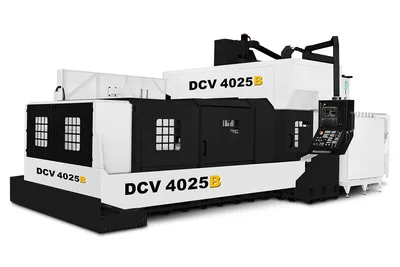
YCM DCV4025B
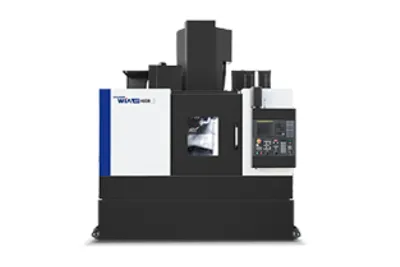
Hyundai WIA KF4608/5608/5608L/6708
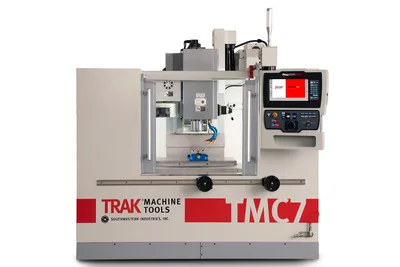
TRAK TMC7
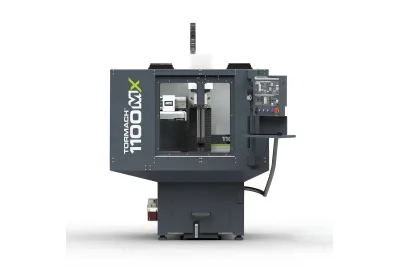
Tormach 1100MX
DMG Mori DMF 360 Linear