Industrial CNC Machine Directory

Matsuura LUMEX Avance-60
$800,000 - $1,200,000 Updated 2026-03-11
01

Key Specifications

Tool Capacity

20 tools

Accuracy

±0.01 mm (±0.0004 in)

build volume

600 x 600 x 500 mm (23.6 x 23.6 x 19.7 in)

laser type

Fiber laser

laser power

1 kW (500 W option available)

max build speed

35 cc/h (1 kW laser); 16 cc/h (500 W laser)

02

Overview

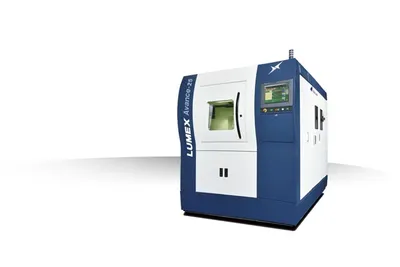
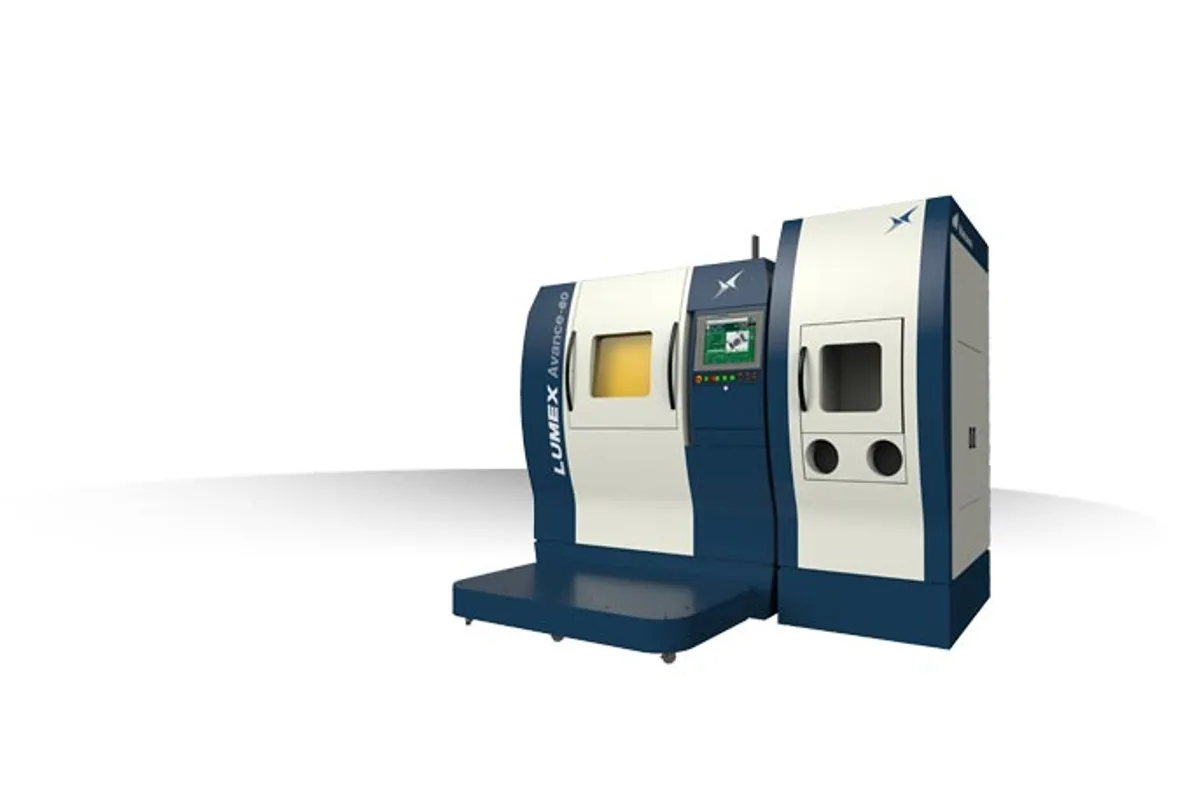
The Matsuura LUMEX Avance-60 is a hybrid metal additive manufacturing machine that combines selective laser sintering with high-speed milling in a single platform. This is not a typical 3D printer — the LUMEX alternates between laser sintering layers of metal powder and milling those layers to net-shape accuracy, producing parts that come off the machine with machined surface finishes rather than the rough surfaces typical of standalone powder bed systems. The result is finished-quality metal parts without secondary machining operations.

The Avance-60 offers a build volume of 600 x 600 x 500 mm, making it one of the largest hybrid additive systems available. The 1 kW fiber laser achieves build speeds up to 35 cc/h, while the 45,000 RPM milling spindle with a 20-tool automatic tool changer handles finish machining between sintering layers. Materials include maraging steel, titanium Ti6Al4V, stainless steels (316L and 630), cobalt chrome, nickel 718, and AlSi10Mg. The fully integrated powder management system handles supply, collection, and sieving automatically, eliminating operator contact with metal powders.

The LUMEX Avance-60 represents a significant investment — new machines are estimated between $800,000 and $1,200,000 — but for applications like conformal cooling channels in injection mold tooling, the ROI can be compelling. Traditional mold inserts with straight-drilled cooling lines can be replaced with optimized conformal channels that reduce cycle times by 20-40%. The machine competes in a niche space against the DMG Mori LASERTEC 30 SLD and Sodick OPM250L, though each takes a different approach to hybrid manufacturing. Specs sourced from Matsuura published data and industry reviews.

03

Full Specifications

Parameter Value
Build Volume 600 x 600 x 500 mm (23.6 x 23.6 x 19.7 in)
Laser Type Fiber laser
Laser Power 1 kW (500 W option available)
Max Build Speed 35 cc/h (1 kW laser); 16 cc/h (500 W laser)
Layer Thickness 0.02 - 0.1 mm
Milling Spindle Speed 45,000 RPM
Tool Capacity 20 tools
Max Tool Diameter 10 mm
Max Workpiece Weight 1,300 kg (2,866 lb)
Materials Maraging steel, Ti6Al4V, 316L SS, 630 SS, CoCr, Ni 718, AlSi10Mg
Powder Management Fully automated supply, collection, and sieving
CNC Control Matsuura proprietary
Positioning Accuracy ±0.01 mm (±0.0004 in)
Surface Finish Ra 1-5 μm (as-built with milling)
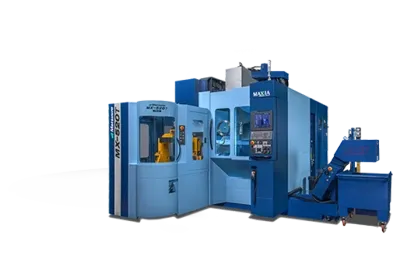
Mx Series MAM72 Series
Mx 330mx 330 Pc10mx 420 Pc10mx 520mx 520 Pc4mx 520tmx 850mx 850 Pc4 MAM72-35VMAM72-42VMAM72-52VMAM72-70VMAM72-100H

Specifications sourced from matsuurausa.com — verified 2026-03-28

04

Strengths & Limitations

Strengths

  • Hybrid sintering-plus-milling process produces finished-quality parts directly from the machine, eliminating the need for secondary machining on most features
  • 600 x 600 x 500 mm build volume is one of the largest available in hybrid additive manufacturing, enabling production of full-size injection mold inserts
  • 45,000 RPM milling spindle with 20-tool ATC provides genuine machining capability between sintering layers, not just surface finishing
  • Fully automated powder management system handles supply, collection, and sieving without operator contact, improving safety and reducing labor
  • 1 kW fiber laser option nearly doubles build speed compared to 500 W systems, making production builds more economically viable

Limitations

  • Very high capital cost of $800K-$1.2M limits the machine to shops with specific high-value applications that justify the investment
  • Build speeds of 16-35 cc/h are still slow compared to traditional manufacturing methods, making the LUMEX unsuitable for high-volume production
  • 10 mm maximum tool diameter restricts milling operations to small cutters, limiting material removal rates during the milling phase
  • Metal powder handling requires specialized safety infrastructure including inert gas systems, powder storage, and personnel training
05

Best For

Injection mold toolmakers producing inserts with conformal cooling channels that reduce molding cycle times by 20-40% Aerospace manufacturers producing complex internal geometries in titanium and nickel alloys that cannot be machined conventionally Medical device companies manufacturing patient-specific implants in titanium and cobalt chrome with machined finish quality Die casting toolmakers who need integrated cooling channels and high-wear surfaces in a single tool insert Research institutions and service bureaus exploring hybrid additive manufacturing across multiple metal alloys
06

Frequently Asked Questions

01 What does a new Matsuura LUMEX Avance-60 cost?

New machines are estimated between $800,000 and $1,200,000 depending on laser power (500 W vs 1 kW), material packages, and options. This is a capital-intensive investment, but for shops producing conformal-cooled mold tooling, the reduction in molding cycle times can deliver ROI within 2-3 years on high-volume mold programs.

02 How does the LUMEX differ from a standalone metal 3D printer?

Standalone powder bed printers like the EOS M 400 only sinter — parts come off the machine with rough surfaces and require extensive post-machining. The LUMEX alternates between sintering and milling during the build, so parts exit the machine with machined surface finishes and tighter tolerances. This eliminates most secondary operations.

03 What is conformal cooling and why does it matter?

Conformal cooling channels follow the shape of the mold cavity, unlike straight-drilled conventional channels. This provides more uniform cooling, reducing warpage and cycle times by 20-40% in injection molding. The LUMEX is one of the few machines that can build these complex internal channels with machined-finish accuracy.

04 What materials can the LUMEX Avance-60 process?

Qualified materials include maraging steel (most common for tooling), titanium Ti6Al4V (aerospace and medical), stainless steels 316L and 630, cobalt chrome (medical implants), nickel 718 (high-temperature aerospace), and AlSi10Mg (lightweight structures). Matsuura continues to qualify new materials.

05 How does the LUMEX Avance-60 compare to the DMG Mori LASERTEC 30 SLD?

The LASERTEC 30 SLD uses directed energy deposition (DED) rather than powder bed sintering, which enables building on existing parts but produces lower resolution and rougher surfaces. The LUMEX produces higher-density parts with better surface finish. The LASERTEC is better for adding features to existing components; the LUMEX is better for building complete high-precision parts from scratch.

06 Is the LUMEX suitable for production manufacturing?

For direct part production, the LUMEX is best suited to low-volume, high-value parts like medical implants and aerospace components. For tooling production (conformal cooling mold inserts), it is absolutely production-viable — the ROI comes from the improved molding cycle times on the downstream injection molding process, not from the build speed of the LUMEX itself.

07

Videos

Matsuura LUMEX Avance-60

Matsuura LUMEX Avance-60

rmfrox

Matsuura LUMEX Avance-60

Matsuura LUMEX Avance-60

Matsuura USA

MATSUURA LUMEX Avance-25 Hybrid Metal 3D Printer

MATSUURA LUMEX Avance-25 Hybrid Metal 3D Printer

Surplex

Matsuura LUMEX Avance-60 (English)

Matsuura LUMEX Avance-60 (English)

Matsuura Machinery Corporation

Matsuura LUMEX Avance-60 and MX-520 V-8 Engine Block

Matsuura LUMEX Avance-60 and MX-520 V-8 Engine Block

Matsuura USA

08

Community Discussions

Practical Machinist

CNC Machining | Matsuura spindles - Practical Machinist

Troubleshooting and problem-solving — Matsuura spindles - Practical Machinist

Practical Machinist

CNC Machining | Matsuura spindles | Page 3 | Practical ...

Community discussion — Matsuura spindles | Page 3 | Practical ...

Practical Machinist

CNC Machining | Matsuura decline - Practical Machinist

Troubleshooting and problem-solving — Matsuura decline - Practical Machinist

Practical Machinist

CNC Machining | Matsuura RA@ ATC crash - Practical Machinist

Troubleshooting and problem-solving — Matsuura RA@ ATC crash - Practical Machinist

CNCZone

Search Results - CNCzone.com- Largest Forums for CNC ...

Community discussion — Search Results - CNCzone.com- Largest Forums for CNC ...

CNCZone

Renishaw probing code for Matsuura - cnczone.com

Community discussion — Renishaw probing code for Matsuura - cnczone.com

CNCZone

Matsuura Horizontal Help Needed - cnczone.com

Community discussion — Matsuura Horizontal Help Needed - cnczone.com

CNCZone

Matsuura wiring diagrams? - CNCzone

Electrical and installation requirements — Matsuura wiring diagrams? - CNCzone

Reddit

Matsuura vs. Okuma? : r/Machinists - Reddit

Comparison and buying advice — Matsuura vs. Okuma? : r/Machinists - Reddit

Reddit

Best new manual lathe : r/Machinists - Reddit

Pricing and buying discussion — Best new manual lathe : r/Machinists - Reddit

Reddit

Benchtop drill presses with low runout? : r/Machinists - Reddit

Community discussion — Benchtop drill presses with low runout? : r/Machinists - Reddit

Reddit

What kind of Coolant does your shop use? : r/Machinists - Reddit

Pricing and buying discussion — What kind of Coolant does your shop use? : r/Machinists - Reddit

Links to community discussions. Summaries are editorial — visit the original thread for full context.

09

Comparisons

10

Related Machines