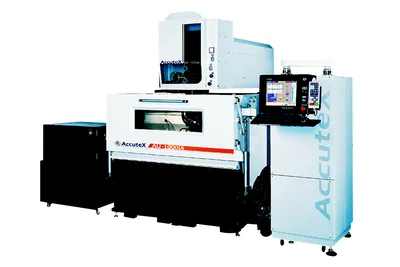
Makino UPV-5
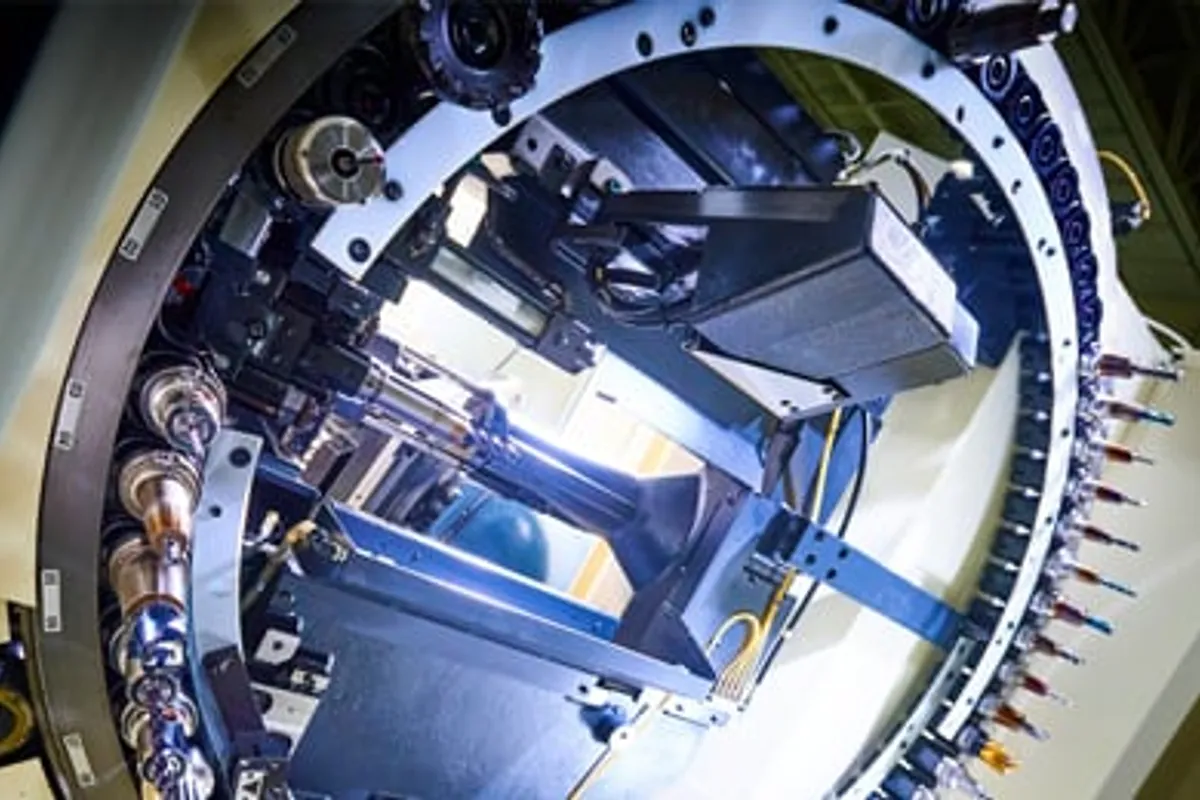
Image: makino.com, Makino
Key Specifications
X Travel
Y Travel
Z Travel
Table Size
max workpiece size
max workpiece weight
How much does the Makino UPV-5 cost?
Estimated price range
Our best estimate for a wire edm in this class — not a quote from Makino. Configuration moves it a long way.
Overview
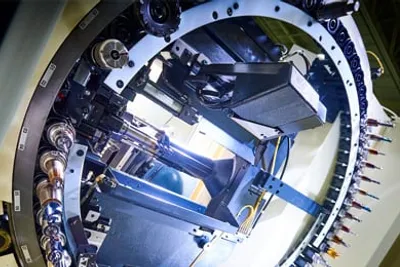
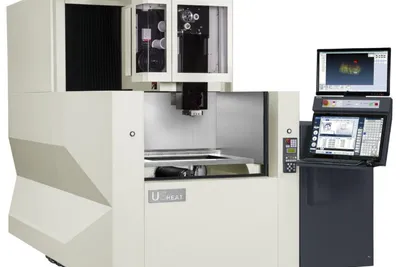
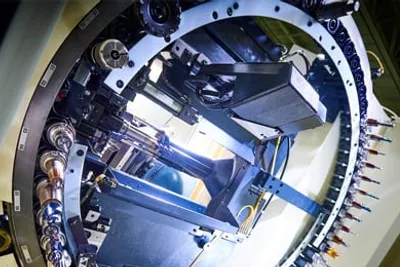
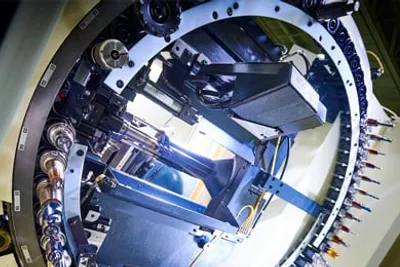
The Makino UPV-5 is the larger counterpart of the UPV-3: an oil-dielectric wire EDM with 550 x 370 x 220 mm (21.65 x 14.56 x 8.7 in) of travel, an 810 x 550 mm (31.89 x 21.65 in) table and a workpiece limit of 960 x 690 x 100 mm (37.79 x 27.17 x 3.94 in) and 550 kg (1212 lb). Makino's own summary is the precision and surface finish quality of the UPV-3, for larger part details.
Against the 370 x 270 mm (14.56 x 10.63 in) of X and Y on the UPV-3, the extra travel takes longer die sections and more parts per setup, and the weight limit rises from 350 kg (771 lb) to 550 kg. Height does not change: both machines cut parts up to 100 mm (3.94 in) tall on 220 mm of Z. Like the UPV-3 it sits on the Uj-series platform with a stationary table and a tighter construction accuracy tolerance.
Makino aims it at ultra-precision work such as fine-blanking and precision stamping die components. It can also be set up for cutting tool insert production with an optional integrated 3D Setup Probe and Rotary Table, which suits the oil dielectric: oil protects PCD and carbide from oxidation of their binder, such as cobalt depletion, steel parts cannot rust in it, and the low discharge power it allows leaves HAZ and recast virtually undetectable.
An integrated Fire Suppression system is standard, which matters on an oil machine meant for extended unattended running. The 3-sided rise and fall tank eases loading and supports automation, and the Hyper i control runs on a wide 24” class touch screen with an advanced Handbox.
Full Specifications
| Parameter | Value |
|---|---|
| Table Size | 810 mm x 550 mm (31.89 in x 21.65 in) |
| X-Axis Travel | 550 mm (21.65 in) |
| Y-Axis Travel | 370 mm (14.56 in) |
| Z-Axis Travel | 220 mm (8.7 in) |
| Max Workpiece Size | 960 mm x 690 mm x 100 mm (37.79 in x 27.17 in x 3.94 in) |
| Max Workpiece Weight | 550 kg (1212 lb) |
| Work Tank Size | 810 mm x 550 mm |
Specifications sourced from makino.com — verified 2026-10-02
Strengths & Limitations
Strengths
- 550 x 370 x 220 mm (21.65 x 14.56 x 8.7 in) of travel and an 810 x 550 mm (31.89 x 21.65 in) table
- Workpieces up to 960 x 690 x 100 mm (37.79 x 27.17 x 3.94 in) and 550 kg (1212 lb)
- Integrated Fire Suppression system is standard, for extended unattended running on oil
- Optional integrated 3D Setup Probe and Rotary Table for cutting tool insert production
- Oil dielectric prevents rust on steel and protects carbide and PCD from cobalt depletion
Limitations
- Part height is limited to 100 mm (3.94 in) on 220 mm (8.7 in) of Z travel
- The 3D Setup Probe and Rotary Table for insert work are options
- Makino's page gives no wire sizes, U and V travel or finish figure for this model
- Running on oil leaves parts oily and needs dielectric oil handling in the shop
Best For
Frequently Asked Questions
01
Size. The UPV-5 has 550 x 370 x 220 mm (21.65 x 14.56 x 8.7 in) of travel, an 810 x 550 mm (31.89 x 21.65 in) table and a 550 kg (1212 lb) workpiece limit. The UPV-3 has 370 x 270 x 220 mm (14.56 x 10.63 x 8.7 in), a 630 x 450 mm (24.8 x 17.71 in) table and 350 kg (771 lb). Both sit on the stationary-table Uj-series platform and cut in oil.
02
Yes. Makino lists an integrated Fire Suppression system as standard safety equipment on the UPV-5, for reliable extended unattended operation. On a machine running an oil dielectric, that is an item to have in the base specification rather than to add later.
03
Makino offers an optional integrated 3D Setup Probe and Rotary Table to configure the machine for the cutting tool insert industry. Combined with the oil dielectric, which protects carbide and PCD from binder corrosion such as cobalt depletion, that is the configuration for insert work.
04
The maximum workpiece is 960 mm x 690 mm x 100 mm (37.79 in x 27.17 in x 3.94 in), so parts are limited to 100 mm (3.94 in) of height even though Z travel is 220 mm (8.7 in). It suits die plates and inserts rather than tall blocks.