Hyundai WIA KF-50 II Series
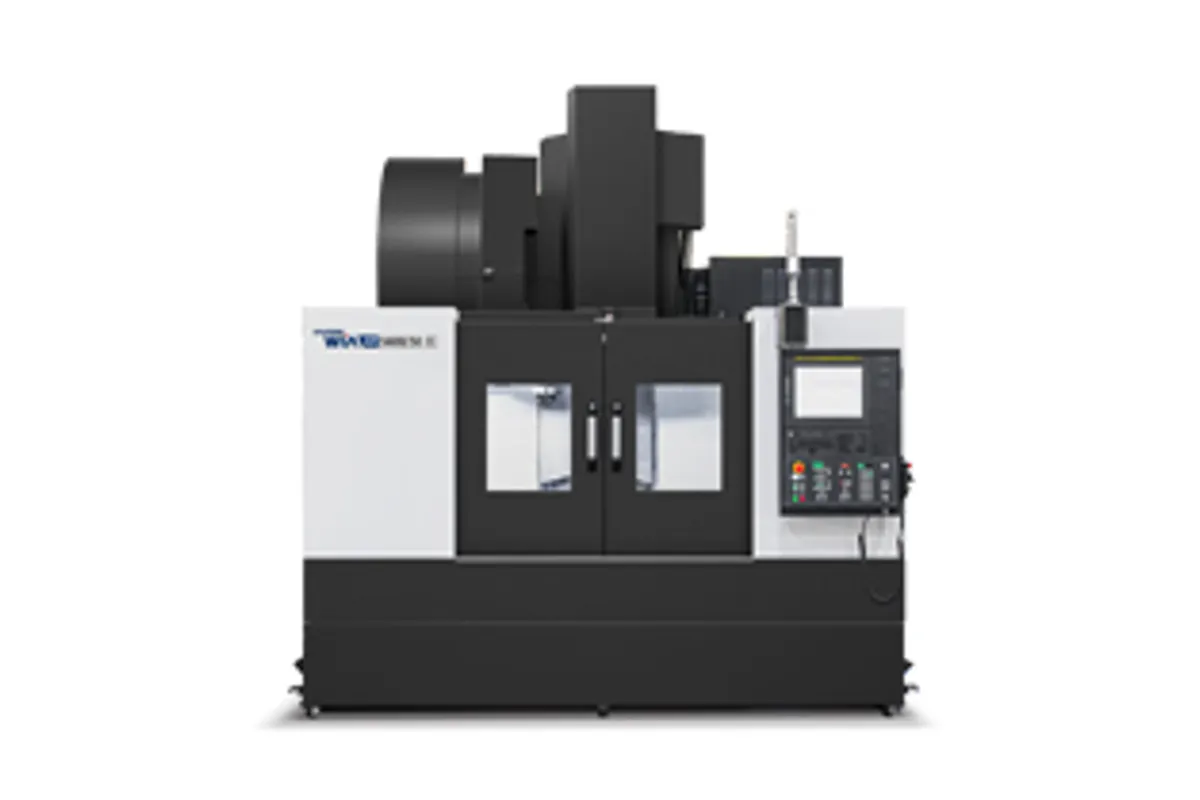
Image: wiamachine.com, Hyundai WIA
Key Specifications
X Travel
Y Travel
Z Travel
Max Spindle
Spindle Taper
Rapid Traverse
How much does the Hyundai WIA KF-50 II Series cost?
Estimated price range
Our best estimate for a vertical machining centers (vmc) in this class — not a quote from Hyundai WIA. Configuration moves it a long way.
Overview
The Hyundai WIA KF-50 II Series is listed as a vertical machining center with 1,020 mm (40.2 in) of X travel and equal Y and Z strokes of 510 mm (20.1 in), carrying a direct-drive HSK-A63 spindle at 12,000 RPM. Faster spindles appear as 15K and 20K options. The listed figures describe the series as a whole and do not say which model each one belongs to.
X is exactly twice Y. That proportion suits two square fixtures side by side, or one long part clamped along the table, and the 800 kg (1,764 lb) table load leaves a margin for cast fixtures under a steel workpiece. Because Z matches Y at 510 mm, a part as tall as it is deep still clears, provided tool length is counted in.
Axis speed is on the quick side for this envelope: 48 m/min (1,890 ipm) rapid traverse over linear roller guideways. Listed positioning accuracy is ±0.005 mm (±0.0002 in) and repeatability ±0.003 mm (±0.00012 in). The magazine holds 30 tools, or 40 as an option, and is served by a servo-driven arm.
Two things are missing from the listed figures: spindle power and torque, and the table dimensions. Ask for both, and ask which spindle a quoted machine carries, since the 15K and 20K units are options. The control is FANUC 0i-MF Plus and machine weight is 8,200 kg (18,078 lb).
Full Specifications
| Parameter | Value |
|---|---|
| X-Axis Travel | 1,020 mm (40.2 in) |
| Y-Axis Travel | 510 mm (20.1 in) |
| Z-Axis Travel | 510 mm (20.1 in) |
| Table Load Max | 800 kg (1,764 lb) |
| Max Spindle Speed | 12,000 RPM (15K/20K options) |
| Spindle Taper | HSK-A63 |
| Spindle Drive | Direct Drive |
| ATC Capacity | 30 tools (40 optional) |
| ATC Type | Servo-driven arm type |
| Rapid Traverse Rate | 48 m/min (1,890 ipm) |
| Guideway Type | Linear roller guideways |
| Positioning Accuracy | ±0.005 mm (±0.0002 in) |
| Repeatability | ±0.003 mm (±0.00012 in) |
| CNC Control | FANUC 0i-MF Plus |
| Machine Weight | 8,200 kg (18,078 lb) |
Specifications compiled from manufacturer literature and industry references. Not independently verified against a published spec sheet — confirm with the manufacturer or an authorised dealer before making a purchasing decision.
Strengths & Limitations
Strengths
- 1,020 mm (40.2 in) of X travel with matching 510 mm (20.1 in) Y and Z strokes
- Direct-drive HSK-A63 spindle at 12,000 RPM, with 15K and 20K spindle options
- 800 kg (1,764 lb) table load
- 30-tool magazine with a servo-driven arm changer, and 40 tools optional
- 48 m/min (1,890 ipm) rapid traverse on linear roller guideways
Limitations
- The 15K and 20K spindles are options, so the base machine tops out at 12,000 RPM
- The listed figures give no spindle power, torque or table size
- The rows cover the whole series without saying which model a figure applies to
- At 8,200 kg (18,078 lb) the machine needs rigging and floor loading planned in advance
Best For
Frequently Asked Questions
01
The listed base speed is 12,000 RPM, with 15K and 20K spindles shown as options. All use a direct-drive HSK-A63 spindle as listed. Power and torque are not given for any of them, so request the spindle data for the speed you intend to order.
02
1,020 mm (40.2 in) in X, 510 mm (20.1 in) in Y and 510 mm (20.1 in) in Z. The table load is 800 kg (1,764 lb). The table dimensions are not listed, and the figures do not separate the individual models of the series.
03
30 tools as listed, with a 40-tool magazine available as an option. The changer is a servo-driven arm type. Maximum tool diameter, length and weight are not among the listed figures, so confirm them if you run large cutters.
04
The listed control is FANUC 0i-MF Plus. Machine weight is listed at 8,200 kg (18,078 lb). Rapid traverse is 48 m/min (1,890 ipm), with positioning accuracy of ±0.005 mm (±0.0002 in) and repeatability of ±0.003 mm (±0.00012 in).
More from Hyundai WIA
Other Vertical Machining Centers (VMC)
Feeler QMP-23APC
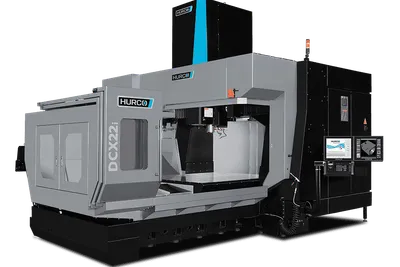
Hurco DCX22i 50T
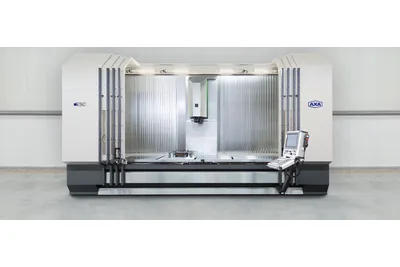
AXA VSC 2 - XTS50
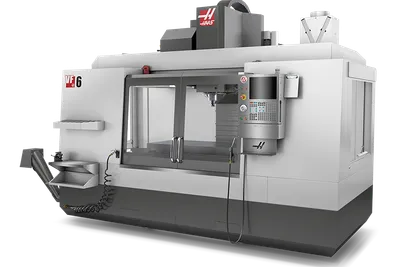
Haas VF-6/40
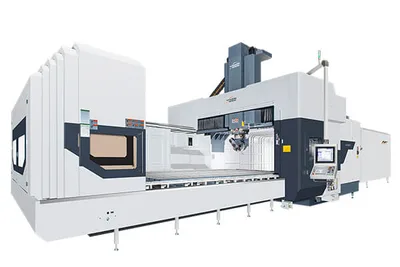
Vision Wide NF-5026 / NF-5033