Messer Cutting Systems PC-3500 CNC Plasma Cutting System
Key Specifications
Table Size
cutting area
plasma power source
max cutting thickness
positioning speed
cutting speed
Overview
The Messer Cutting Systems PC-3500 is a heavy-duty gantry-style CNC plasma cutting system designed for high-productivity cutting of carbon steel, stainless steel, and aluminum plate in industrial fabrication environments. Built by Messer Cutting Systems — the cutting technology division of the Messer Group, headquartered in Gross-Umstadt, Germany with major operations in North America — the PC-3500 targets structural steel fabricators, shipyards, pressure vessel manufacturers, and heavy equipment builders who process large-format plate stock at sustained production rates.
The PC-3500 is configured around Messer's heavy steel gantry structure, precision rack-and-pinion drive system, and anti-vibration base design. The dual-drive gantry maintains consistent cutting speed and positional accuracy across the full cutting width, critical for achieving tight tolerances on large parts where single-drive systems may exhibit servo lag or racking. The system is compatible with a range of plasma power sources — including Hypertherm HPR/XPR and Lincoln Electric Spirit series — giving customers flexibility in matching the cutting process specification to their material and thickness range.
Messer equips the PC-3500 with its Columbus CNC controller, a cutting-industry-specific system that integrates nesting software, plasma process parameter databases, and torch height control (THC) in a unified platform. The Columbus controller stores hundreds of pre-set cutting parameter files covering material grade, thickness, plasma gas selection, and cut quality — allowing operators to call up a validated process for each job rather than manually dialing in plasma parameters from scratch. The system supports multi-torch configurations for simultaneous cutting of multiple parts from a single plate pass, significantly increasing throughput on production nesting runs.
New Messer PC-3500 systems typically price from $250,000 to $550,000 depending on table size, plasma power source specification, multi-torch configuration, and optional bevel cutting head. Competitors include the ESAB Columbus series, Lincoln Electric Torchmate industrial platforms, and Koike Aronson Systems. Messer's global presence in the industrial gas and cutting industry and its combination of machine and gas expertise make it a preferred vendor for large-scale metal fabrication operations.
Full Specifications
| Parameter | Value |
|---|---|
| Cutting Area | Up to 3,000 x 12,000 mm (standard); custom sizes available |
| Plasma Power Source | Compatible with Hypertherm HPR/XPR, Lincoln Electric Spirit (customer specified) |
| Max Cutting Thickness | Up to 80 mm carbon steel (plasma); 160 mm with oxy-fuel option |
| Positioning Speed | Up to 30,000 mm/min |
| Cutting Speed | Up to 10,000 mm/min (material and thickness dependent) |
| Table Size | 3,500 mm width (standard); length configurable |
| Drive System | Dual-drive rack-and-pinion gantry |
| Torch Height Control | Integrated THC (Messer or OEM) |
| Control System | Messer Columbus CNC with integrated nesting and process database |
| Multi Torch | Yes — configurable up to 4 torches |
| Bevel Cutting | Optional bevel head for weld prep |
| Machine Weight | ~8,500 kg (standard configuration) |
Specifications compiled from manufacturer literature and industry references. Not independently verified against a published spec sheet — confirm with the manufacturer or an authorised dealer before making a purchasing decision.
Strengths & Limitations
Strengths
- Heavy dual-drive gantry structure maintains consistent positional accuracy across 3,500 mm cutting width, preventing racking errors that degrade part quality on large-format plate cutting
- Columbus CNC controller with pre-set plasma process databases lets operators call up validated cut parameters for each material and thickness, reducing setup time and operator skill dependency
- Plasma power source agnosticism — compatible with Hypertherm and Lincoln Electric — allows customers to match the power source to their existing maintenance expertise or negotiated supply contracts
- Multi-torch configuration support increases throughput on production nesting runs by cutting multiple parts simultaneously from a single plate pass
Limitations
- At $250,000–$550,000 for a complete system, the PC-3500 is a capital-intensive investment suitable primarily for fabricators with consistent high-volume plate cutting requirements
- Plasma cutting is limited to conductive materials (steel, aluminum, stainless); non-conductive materials and very thin gauge sheet may be better served by laser or waterjet alternatives
- The large machine footprint requires substantial floor space and a water table infrastructure — facility requirements that add to the total installation cost beyond the machine price
Best For
Frequently Asked Questions
01
The PC-3500 is designed to be compatible with multiple plasma power sources rather than requiring a proprietary Messer plasma unit. Commonly paired options include the Hypertherm HPR400XD or XPR300, and Lincoln Electric Spirit series plasma systems. The Columbus CNC controller stores process parameter databases calibrated for these power sources. Customers specify the plasma source at purchase, often based on their existing maintenance infrastructure or preferred consumable supply chain.
02
Yes. An optional bevel cutting head can be added to the PC-3500 to cut compound angles for weld joint preparation. This is particularly valuable in structural fabrication and shipbuilding where weld prep bevels are required on thick plate. The bevel head is CNC-controlled through the Columbus controller, allowing the bevel angle to be programmed as part of the part program rather than requiring manual setup. Typical bevel range is ±45 degrees.
03
Torch height control (THC) automatically adjusts the plasma torch's distance above the workpiece surface during cutting. Plasma cutting quality is highly sensitive to standoff distance — too close causes torch damage and spatter; too far reduces cut quality and causes lag. The PC-3500's THC system uses arc voltage feedback to detect deviations from the target standoff distance and corrects the Z-axis position in real time. This is especially important when cutting warped or unevenly heated plate where surface variations can be several millimeters across the cutting area.
Videos

Messer Cutting Systems India
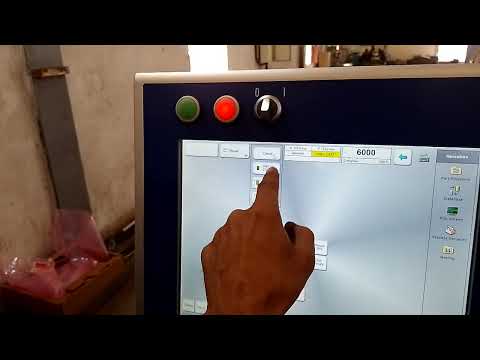
LEARNOTECH-SHOAIB

Westermans International

Spicer Designs

Chad’s Custom Creations