DN Solutions DNX 2100 S
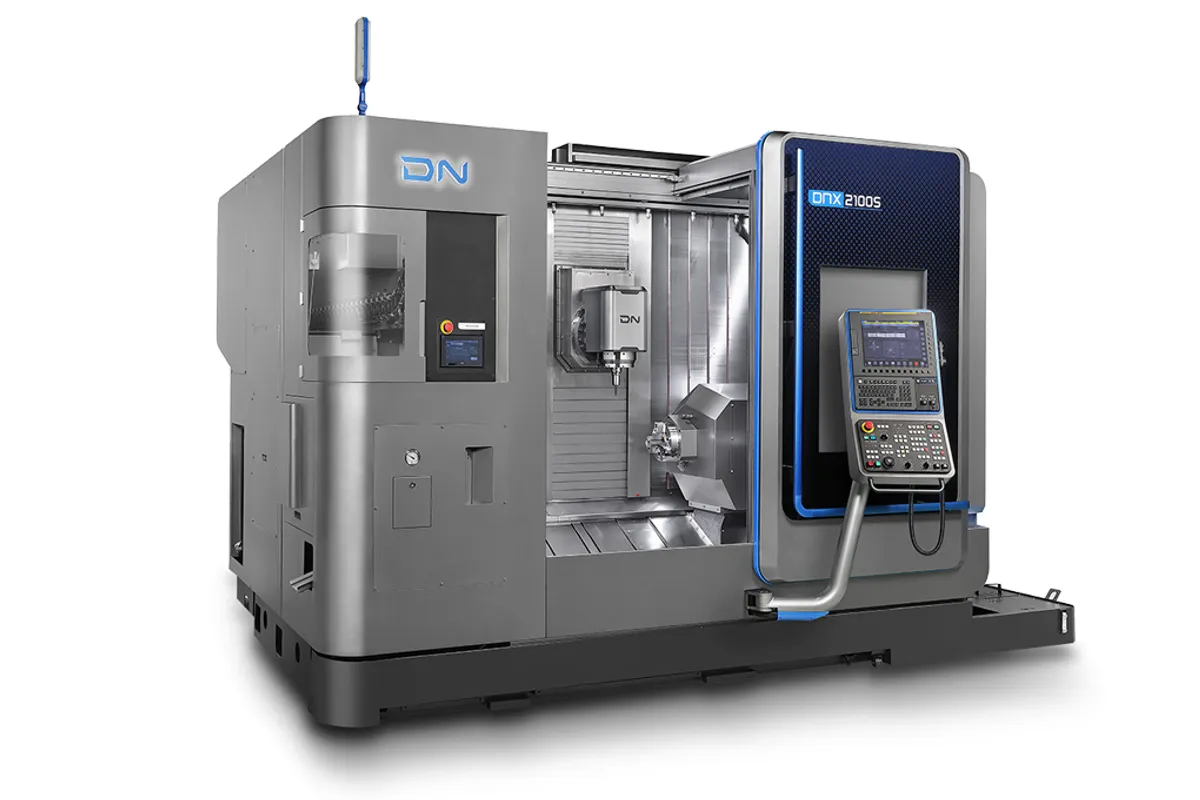
Image: dn-solutions.com, DN Solutions
Key Specifications
Max Spindle
Spindle Power
Max Turn Length
chuck size
max turning diameter
spindle torque
How much does the DN Solutions DNX 2100 S cost?
Estimated price range
Our best estimate for a mill-turn / multi-tasking machine in this class — not a quote from DN Solutions. Configuration moves it a long way.
Overview
The DN Solutions DNX 2100 S is the two-spindle version of the DNX 2100 multitasking lathe on the 210 mm (8 in) chuck. It turns up to 520 mm (21 in) in diameter and 1,100 mm (43 in) in length, and both spindles carry one rating: 5,000 rpm, 18.5/15 kW (25/20 hp) and 326 N·m (240 ft-lb).
Matched spindles are the reason to pick this variant. A part can be cut on the first side, handed across and machined on the back face at the same speed and torque, so the second operation does not have to be planned around a weaker motor. DN Solutions describes the series as pairing the two spindles with a milling spindle on a B-axis that positions in 0.0001° increments, plus a servo tailstock. The table for this model has no rows for the milling spindle, the tool magazine or the axis travels, so those go on the list of questions for the quotation.
Inside the family the choice is mostly about the main chuck. The DNX 2100 SB keeps this second spindle but carries a 255 mm (10 in) chuck with 456 N·m (336 ft-lb) at 4,000 rpm, about 40% more main-spindle torque than the 326 N·m (240 ft-lb) here. The SMX 2100 is the heavier alternative, with 600 mm (24 in) of turning diameter, 467 N·m (344 ft-lb) and 14,900 kg (32,849 lb) against this machine's 10,850 kg (23,920 lb).
The DNX 2100 S takes 4,615 × 2,285 mm (182 × 90 in) of floor and stands 2,630 mm (104 in) high. DSSV, DN Solutions' spindle speed variation function, is standard, as is a 7 inch screen at the ATC magazine. The tool breakage detector inside the magazine, the arm-type tool setter and the parts catcher are listed under options.
Full Specifications
| Parameter | Value |
|---|---|
| Chuck Size | 210 mm (8 in) |
| Max Turning Diameter | 520 mm (21 in) |
| Max Turning Length | 1,100 mm (43 in) |
| Max Spindle Speed | 5,000 rpm |
| Spindle Motor Power | 18.5/15 kW (25/20 hp) |
| Spindle Torque | 326 N-m (240 ft-lb) |
| Sub Spindle Speed | 5,000 rpm |
| Sub Spindle Power | 18.5/15 kW (25/20 hp) |
| Sub Spindle Torque | 326 N-m (240 ft-lb) |
| Floor Space Required | 4,615 × 2,285 × 2,630 mm (182 × 90 × 104 in) |
| Machine Weight | 10,850 kg (23,920 lb) |
Specifications sourced from dn-solutions.com — verified 2026-10-02
Strengths & Limitations
Strengths
- Both spindles are rated 5,000 rpm, 18.5/15 kW (25/20 hp) and 326 N·m (240 ft-lb), so back-side cuts can use the same data as the first side
- 1,100 mm (43 in) of turning length and 520 mm (21 in) of turning diameter on a 210 mm (8 in) chuck
- B-axis milling spindle that positions in 0.0001° increments, according to DN Solutions' series description
- DSSV spindle speed variation and a 7 inch ATC magazine screen are standard features of the series
- Weighs 10,850 kg (23,920 lb) on 4,615 × 2,285 mm (182 × 90 in) of floor; the SMX 2100 is 14,900 kg (32,849 lb)
Limitations
- Main-spindle torque is 326 N·m (240 ft-lb); the DNX 2100 SB offers 456 N·m (336 ft-lb) on a 255 mm (10 in) chuck for heavier first-side cuts
- Tool breakage detection in the magazine, the arm-type tool setter and the parts catcher are listed as options
- The table has no milling-spindle, tool-magazine or axis-travel rows for this model, so milling capacity must be confirmed with DN Solutions
- Turning diameter stops at 520 mm (21 in), where the SMX 2100 reaches 600 mm (24 in)
Best For
Frequently Asked Questions
01
A second spindle with its own rows in the table: 5,000 rpm, 18.5/15 kW (25/20 hp) and 326 N·m (240 ft-lb). Those are the figures the DNX 2100 lists for its main spindle, and the 210 mm (8 in) chuck, 520 mm (21 in) turning diameter and 1,100 mm (43 in) turning length are the same on both.
02
Only at the main spindle. The DNX 2100 SB has a 255 mm (10 in) chuck with 4,000 rpm, 22/15 kW (30/20 hp) and 456 N·m (336 ft-lb), and weighs 11,000 kg (24,251 lb). The DNX 2100 S has a 210 mm (8 in) chuck with 5,000 rpm, 18.5/15 kW (25/20 hp) and 326 N·m (240 ft-lb), and weighs 10,850 kg (23,920 lb). Turning diameter and length are identical.
03
DN Solutions prints spindle power as two ratings, 18.5/15 kW (25/20 hp), and the table does not label which duty each one applies to. Plan continuous roughing around the lower figure unless the power and torque diagram for the machine shows otherwise, and ask for that diagram with the quotation.
04
The machine is 4,615 mm (182 in) long, 2,285 mm (90 in) wide and 2,630 mm (104 in) high, and weighs 10,850 kg (23,920 lb). Those are the machine's own dimensions, so allow extra room around it for chip handling, door opening and service access.
05
DN Solutions lists the built-in spindle, DSSV spindle speed variation, the 7 inch ATC magazine screen, an alarm recovery function and a chuck position sensor as part of the series. The tool breakage detector in the magazine, the arm-type tool setter and the parts catcher sit under options, so check that they are on the quotation if you need them.
Videos

DN Solutions_Official

DN Solutions America

DN Solutions_Official

DN Solutions Europe
More from DN Solutions

Other Mill-Turn / Multi-Tasking Machines
Accuway UT-2000T2M
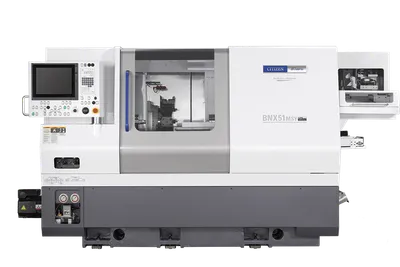
Citizen Miyano BNX-65MSY
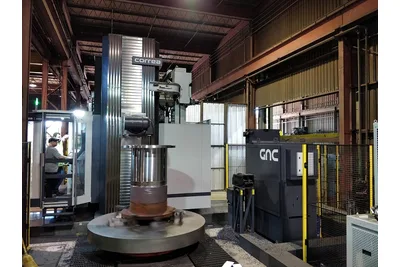
Nicolas Correa AXIA T
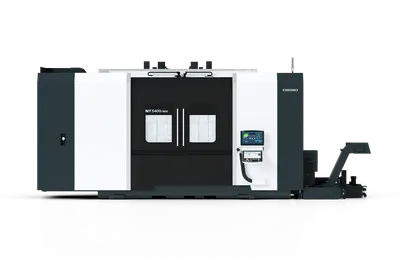
DMG Mori NT 5400 DCG
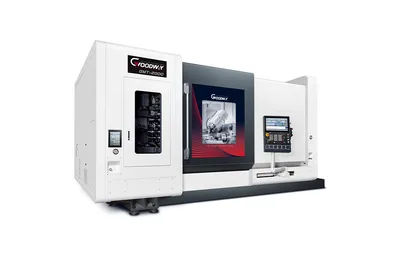
Goodway GMT-2000