Okuma VT1000EX
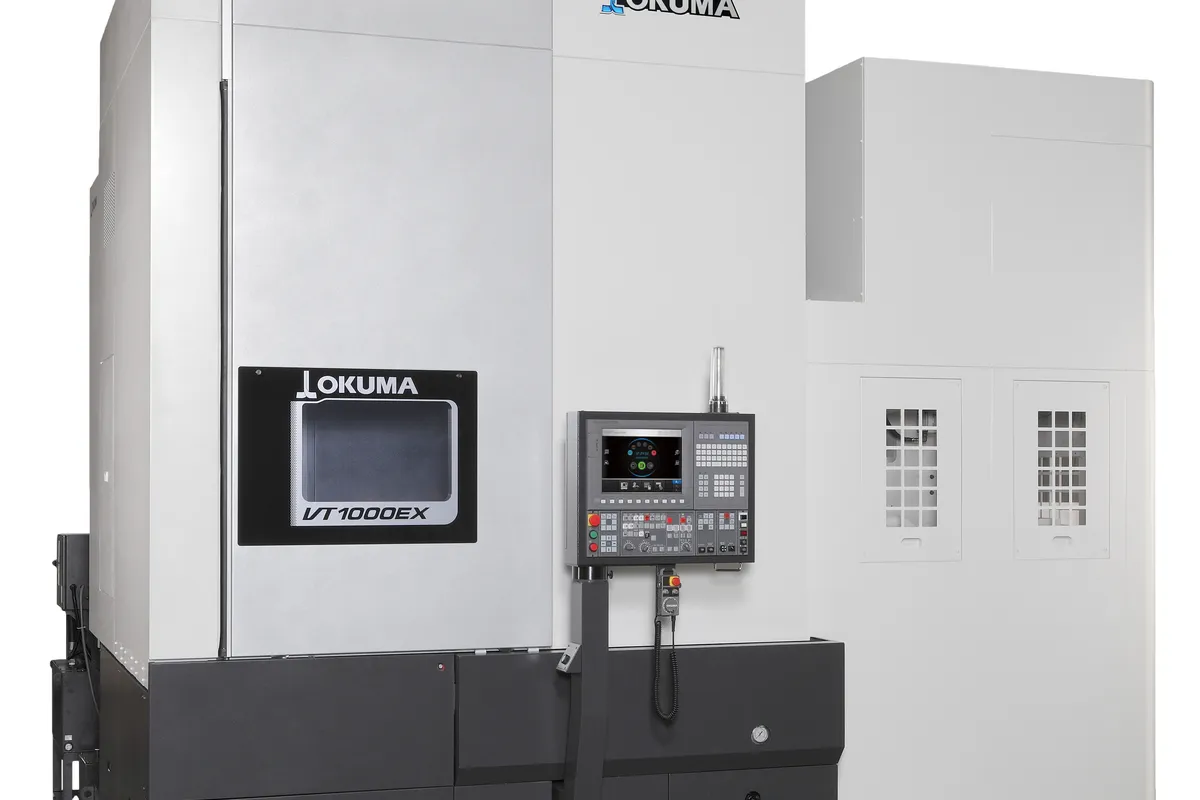
Image: d30jruhmdicmo0.cloudfront.net, Okuma
Key Specifications
X Travel
Z Travel
Spindle Power
Max Turn Length
max turning diameter
chuck size
How much does the Okuma VT1000EX cost?
Estimated price range
Our best estimate for a cnc lathes / turning center in this class — not a quote from Okuma. Configuration moves it a long way.
Overview
The Okuma VT1000EX is a large-diameter turning lathe for work up to 1,000 mm (39.37 in) across and 1,000 mm (39.37 in) long, driven by a 55/45 kW (75/60 hp) spindle that runs from 10 to 800 rpm. X travel is 650 mm (25.59 in) and Z travel is 1000 mm (39.37 in), so the envelope is as deep as it is wide.
The speed range says what the machine is for. At a 1,000 mm diameter the rim of the part reaches a normal cutting speed at a few hundred rpm, so the 800 rpm ceiling only restricts small bores and hubs near the centre. The 10 rpm floor matters more: it lets a full-diameter face or an interrupted cut in a casting run at a controlled surface speed. With 55/45 kW behind it, the spindle is sized for roughing forgings and castings, and sustained cuts should be planned around the lower figure of the pair.
Among Okuma's machines of this diameter, the VTM-100 also turns 1,000 mm (39.37 in) on the same 650 mm (25.59 in) of X, but it lists 30/22 kW (40/30 hp) and 840 mm (33.07 in) of Z travel and turning length. The VT1000EX is the one to look at when the job is heavy turning that needs the larger motor and the full 1,000 mm of length.
A few details need attention before ordering. The chuck in Okuma's table is a 254 mm (10 in) hydraulic unit, small against a 1,000 mm (39.37 in) turning diameter, so rings and discs near the limit need jaws, a larger chuck or a fixture agreed in the quotation. Rapid traverse is 16 m/min (52.49 fpm) on both X and Z, which is slow but has little effect on long cuts in heavy parts. The table gives no table load, turret or machine weight figure, so those have to be requested.
Full Specifications
| Parameter | Value |
|---|---|
| Max Turning Diameter | 1,000 mm (39.37 in) |
| Spindle Motor Power | 55/45 kW (75/60 hp) |
| Chuck Size | 254 mm (10 in) hydraulic |
| Rapid Traverse X | 16 m/min (52.49 fpm) |
| Rapid Traverse Z | 16 m/min (52.49 fpm) |
| Spindle Speed | 10–800 rpm |
| Max Turning Length | 1,000 mm (39.37 in) |
| X-Axis Travel | 650 mm (25.59 in) |
| Z-Axis Travel | 1000 mm (39.37 in) |
Specifications sourced from okuma.com — verified 2026-10-03
Strengths & Limitations
Strengths
- 55/45 kW (75/60 hp) spindle, where the VTM-100 lists 30/22 kW (40/30 hp) at the same 1,000 mm (39.37 in) turning diameter
- Turns 1,000 mm (39.37 in) in both diameter and length, so tall parts fit as well as wide ones
- Spindle speed starts at 10 rpm, which keeps surface speed under control on full-diameter facing cuts
- Z travel of 1000 mm (39.37 in), compared with 840 mm (33.07 in) on the VTM-100
Limitations
- Top spindle speed is 800 rpm, which holds back surface speed on small bores and hubs
- The listed chuck is 254 mm (10 in) hydraulic; work near the 1,000 mm (39.37 in) limit needs workholding specified separately
- Rapid traverse is 16 m/min (52.49 fpm) on X and Z, slow for short-cycle parts with many tool moves
- Okuma's table gives no table load or machine weight, so part mass and foundation limits must be confirmed before ordering
Best For
Frequently Asked Questions
01
Up to 1,000 mm (39.37 in) in diameter and 1,000 mm (39.37 in) in length. X travel is 650 mm (25.59 in) and Z travel is 1000 mm (39.37 in). Okuma's table does not state a weight limit, so check the mass of the part and its fixture with Okuma before planning heavy work.
02
Okuma lists 55/45 kW (75/60 hp) and a speed range of 10–800 rpm. The low end suits full-diameter facing and interrupted cuts. The 800 rpm top speed is enough for the rim of a large part but limits cutting speed on small diameters near the centre.
03
Both turn 1,000 mm (39.37 in) in diameter with 650 mm (25.59 in) of X travel. The VT1000EX lists 55/45 kW (75/60 hp) and 1000 mm (39.37 in) of Z, while the VTM-100 lists 30/22 kW (40/30 hp) and 840 mm (33.07 in) of Z. The VT1000EX has the larger motor and the longer Z.
04
A 254 mm (10 in) hydraulic chuck. That is far smaller than the 1,000 mm (39.37 in) maximum turning diameter, so parts near the limit need top jaws, a larger chuck or a dedicated fixture. Ask Okuma what workholding is included with the quoted machine.
Videos

Okuma America Corporation

OKUMAOFFICIAL
Okuma America Corporation

Okuma America Corporation
More from Okuma
Other CNC Lathes / Turning Centers
Victor Taichung Vturn-S36/125
Hurco TMX8MYi
Momentum MVL-20
Colchester Tornado SL35 / SL35L
Honor Seiki VL-66MT