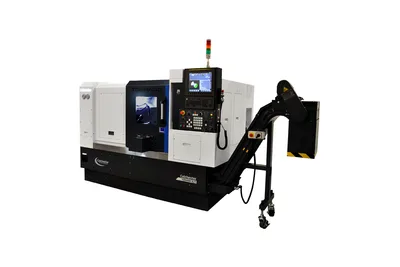
Okuma V920EX
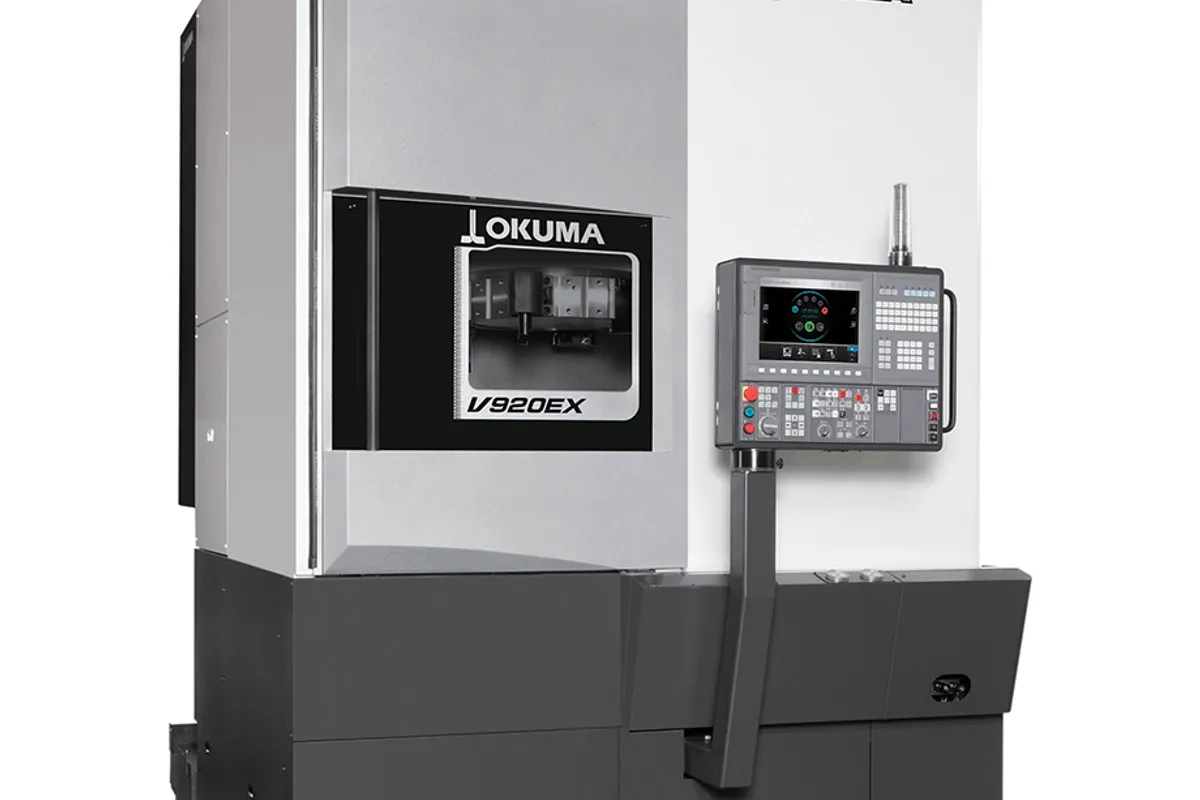
Image: d30jruhmdicmo0.cloudfront.net, Okuma
Key Specifications
Rapid Traverse
Spindle Power
Max Turn Length
max turning diameter
max swing
spindle speed
How much does the Okuma V920EX cost?
Estimated price range
Our best estimate for a cnc lathes / turning center in this class — not a quote from Okuma. Configuration moves it a long way.
Overview
With a 920 mm (36.22 in) maximum turning diameter and a 1,000 mm (39.37 in) swing, the Okuma V920EX sits between two neighbours and shares a figure with each. It has the 30/22 kW (40/30 hp) spindle rating of the smaller V760EX and the 1,250 rpm top speed of the larger V100R.
That combination defines where it fits. Its turning diameter is about 21% larger than the 760 mm (29.92 in) of the V760EX on the same motor, so the V920EX is the choice when the part is too wide for the smaller machine but the cut is no heavier. The V100R reaches 1,000 mm (39.4 in) and brings 45/37 kW (60/50 hp), so heavy roughing at the top of the size range points to that model instead.
Okuma labels the power pair 30 min/cont: 30 kW for half an hour, 22 kW continuously. The speed range is 20 to 1,250 rpm, turning length is 860 mm (33.86 in) and rapid traverse is 24 m/min (78.74 fpm). The headline table for this model has no chuck size row, whereas the V760EX below it lists chucks up to 24 in (610 mm).
Full Specifications
| Parameter | Value |
|---|---|
| Max Turning Diameter | 920 mm (36.22 in) |
| Spindle Motor Power | 30/22 kW (30 min/cont) (40/30 hp (30 min/cont)) |
| Rapid Traverse Rate | 24 m/min (78.74 fpm) |
| Max Swing | 1,000 mm (39.37 in) |
| Spindle Speed | 20–1,250 rpm |
| Max Turning Length | 860 mm (33.86 in) |
Specifications sourced from okuma.com — verified 2026-10-03
Strengths & Limitations
Strengths
- 920 mm (36.22 in) turning diameter and 1,000 mm (39.37 in) swing, about 21% more diameter than the V760EX
- 860 mm (33.86 in) of turning length, against 770 mm (30.31 in) on the V760EX
- Spindle rating is stated with its duty: 30 kW for 30 minutes, 22 kW continuous (40/30 hp)
Limitations
- Top speed is 1,250 rpm, well below the 2,000 rpm of the V760EX
- Power stays at 30/22 kW while the V100R, only slightly larger at 1,000 mm (39.4 in), lists 45/37 kW (60/50 hp)
- No chuck size, torque or workpiece weight rows in Okuma's headline table for this model
Best For
Frequently Asked Questions
01
Size and speed. The V920EX has a 920 mm (36.22 in) turning diameter, 860 mm (33.86 in) turning length and 1,000 mm (39.37 in) swing, where the V760EX lists 760 mm (29.92 in), 770 mm (30.31 in) and 800 mm (31.50 in). Both carry the 30/22 kW (40/30 hp) spindle rating. The V920EX runs 20 to 1,250 rpm and the V760EX 20 to 2,000 rpm.
02
If the work needs more power, yes. The V100R lists 45/37 kW (60/50 hp) against 30/22 kW on the V920EX, with a 1,000 mm (39.4 in) turning diameter, 1,250 mm (49.21 in) swing and a stated 1,000 kg (2,205 lb) maximum workpiece weight. Top speed is the same on both at 1,250 rpm.
03
20 to 1,250 rpm. The spindle is rated 30/22 kW (40/30 hp), which Okuma labels as the 30-minute and continuous figures. Rapid traverse is 24 m/min (78.74 fpm).
Videos

Okuma Europe GmbH

Okuma Europe GmbH

OKUMA CORPORATION JAPAN

OKUMA CORPORATION JAPAN
Community Discussions
Links to community discussions. Summaries are editorial — visit the original thread for full context.
More from Okuma
Other CNC Lathes / Turning Centers
Victor Taichung Vturn-S26/60
Hurco TMM8
Momentum MVL-16
Colchester Tornado SL30MC / SL30LMC