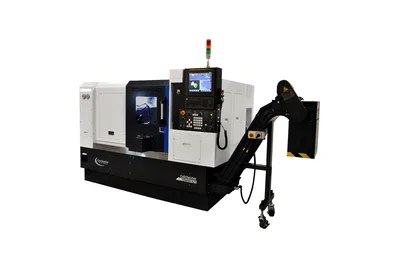
Okuma V760EX
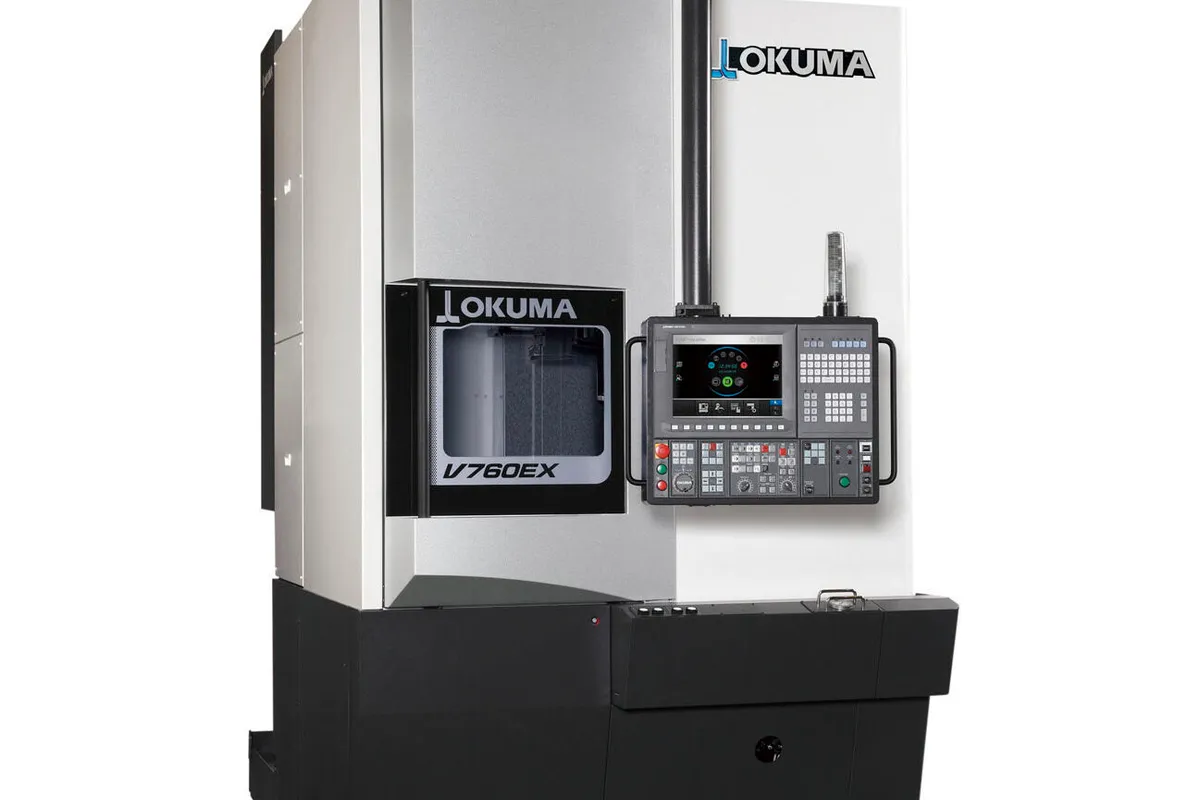
Image: d30jruhmdicmo0.cloudfront.net, Okuma
Key Specifications
Rapid Traverse
Spindle Power
Max Turn Length
max turning diameter
chuck size
max swing
How much does the Okuma V760EX cost?
Estimated price range
Our best estimate for a cnc lathes / turning center in this class — not a quote from Okuma. Configuration moves it a long way.
Overview
The Okuma V760EX turns parts up to 760 mm (29.92 in) in diameter and 770 mm (30.31 in) long, with an 800 mm (31.50 in) maximum swing and chucks up to 24 in (610 mm). Diameter and length are almost equal, the proportion of a machine for rings, housings and wheel-type parts.
Spindle power is 30/22 kW (40/30 hp), and here Okuma states what the pair means: 30 min/cont. The spindle gives 30 kW for half an hour and holds 22 kW indefinitely, so a roughing pass that runs for a full shift should be planned around 22 kW. The speed range is 20 to 2,000 rpm and rapid traverse is 24 m/min (78.74 fpm).
The V920EX carries the same 30/22 kW rating on a 920 mm (36.22 in) turning diameter and drops its top speed to 1,250 rpm, which makes the V760EX the faster of the two on the same motor. The 2SP-V760EX is listed with the same 760 mm, 770 mm, 800 mm and 30/22 kW figures as this machine.
Full Specifications
| Parameter | Value |
|---|---|
| Max Turning Diameter | 760 mm (29.92 in) |
| Spindle Motor Power | 30/22 kW (30 min/cont.) (40/30 hp (30 min/cont)) |
| Chuck Size | Up to 24 in (610 mm) |
| Rapid Traverse Rate | 24 m/min (78.74 fpm) |
| Max Swing | 800 mm (31.50 in) |
| Spindle Speed | 20–2,000 rpm |
| Max Turning Length | 770 mm (30.31 in) |
Specifications sourced from okuma.com — verified 2026-10-03
Strengths & Limitations
Strengths
- Power is stated as 30 kW for 30 minutes and 22 kW continuous (40/30 hp), so the duty limits are clear
- Chucks up to 24 in (610 mm) within an 800 mm (31.50 in) maximum swing
- 20 to 2,000 rpm, a higher top speed than the 1,250 rpm of the V920EX on the same spindle rating
- 760 mm (29.92 in) turning diameter with 770 mm (30.31 in) of turning length
Limitations
- Continuous spindle power is 22 kW; the 30 kW figure is a 30-minute rating
- Swing is 800 mm (31.50 in), only slightly over the 760 mm turning diameter, leaving little room for oversize fixtures
- No torque, turret or workpiece weight rows in Okuma's headline table for this model
Best For
Frequently Asked Questions
01
Okuma lists 30/22 kW (40/30 hp) and labels the pair as 30 min/cont. The spindle can deliver 30 kW for up to 30 minutes and 22 kW continuously. For roughing passes that run longer than that, plan the cut around 22 kW.
02
Maximum turning diameter is 760 mm (29.92 in), maximum turning length 770 mm (30.31 in) and maximum swing 800 mm (31.50 in). Chuck size is listed as up to 24 in (610 mm). The table gives no workpiece weight limit, so ask for it if the parts are heavy.
03
They share the 30/22 kW (40/30 hp) spindle rating and 24 m/min (78.74 fpm) rapid traverse. The V920EX is bigger, at 920 mm (36.22 in) turning diameter, 860 mm (33.86 in) turning length and 1,000 mm (39.37 in) swing, but its speed range stops at 1,250 rpm where the V760EX reaches 2,000 rpm.
Videos

Okuma Europe GmbH

Okuma Europe GmbH

GreenBau Tehnologie

Automatics & Machinery
More from Okuma
Other CNC Lathes / Turning Centers
Victor Taichung Vturn-S26/110
Momentum MVL-15
Colchester Tornado SL30 / SL30L