Okuma LOC650
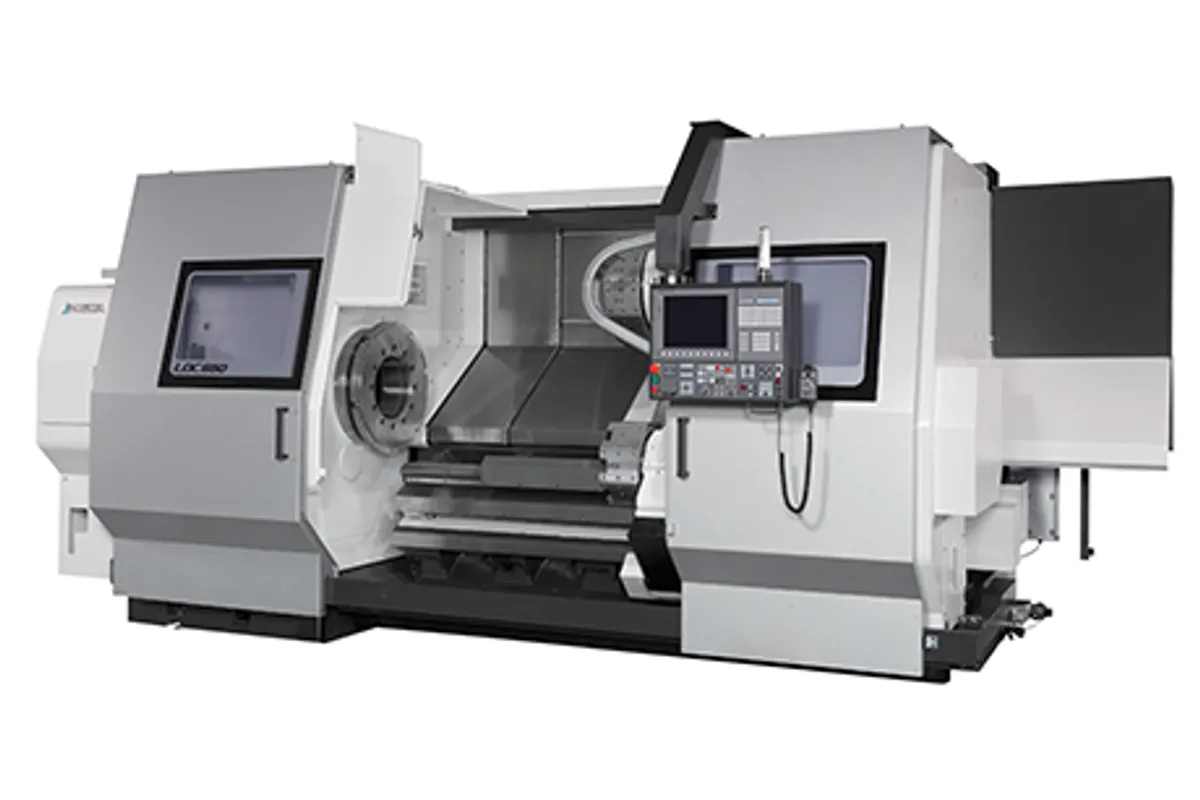
Image: d30jruhmdicmo0.cloudfront.net, Okuma
Key Specifications
Rapid Traverse
Spindle Power
Max Turn Length
max turning diameter
spindle nose
z axis travel
How much does the Okuma LOC650 cost?
Estimated price range
Our best estimate for a cnc lathes / turning center in this class — not a quote from Okuma. Configuration moves it a long way.
Overview
The Okuma LOC650 is an oil country lathe built around a slow, large spindle: 5 to 500 rpm on an A2-20 nose, 45/37 kW (60/50 hp), and a 650 mm (25.59 in) maximum turning diameter. Z travel and maximum turning length are both 500 mm (19.7 in). That short stroke says what the machine is for. It cuts the end of a part, threading and finishing a connection, and is not meant to turn along a shaft.
The rest of the table fits that job. Rapid traverse is 5 / 10 m/min (197 / 394 ipm), where the LB45III, a general-purpose lathe of similar swing at 660 mm (25.98 in), is listed at 15 / 20 m/min (591 / 787 ipm). With only 500 mm of Z to cover, slow rapids cost little time in the cycle.
Okuma lists a 725 flat spindle nose and a 5 to 350 rpm range in brackets as options. A larger nose with a lower top speed is the usual pairing, but the table does not tie the two together, so confirm it when the machine is specified. The headline table has no spindle bore row; get that figure before matching the machine to a pipe size.
Full Specifications
| Parameter | Value |
|---|---|
| Max Turning Diameter | 650 mm (25.59 in) |
| Max Turning Length | 500 mm (19.7 in) |
| Spindle Motor Power | 45/37 kW (60/50 hp) |
| Spindle Nose | A2-20 [725 flat] |
| Z Axis Travel | 500 mm (19.7 in) |
| Rapid Traverse Rate | 5 / 10 m/min (197 / 394 ipm) |
| Spindle Speed | 5-500 [5-350] rpm |
Specifications sourced from okuma.com — verified 2026-10-03
Strengths & Limitations
Strengths
- A2-20 spindle nose as standard, with a 725 flat nose listed as an option
- 45/37 kW (60/50 hp) spindle over a 5 to 500 rpm range suited to large-diameter, low-speed cutting
- 650 mm (25.59 in) maximum turning diameter
Limitations
- Z travel and maximum turning length are both 500 mm (19.7 in), so this is not a shaft lathe
- Top speed is 500 rpm, or 350 rpm with the optional range, too slow for efficient carbide cutting on small diameters
- Rapid traverse is 5 / 10 m/min (197 / 394 ipm), against 15 / 20 m/min (591 / 787 ipm) on the LOC500
Best For
Frequently Asked Questions
01
5 to 500 rpm as standard. Okuma also lists a 5 to 350 rpm range in brackets, meaning it belongs to an optional configuration. The spindle is rated 45/37 kW (60/50 hp) and the standard nose is A2-20, with a 725 flat nose as the listed option.
02
The maximum turning length is 500 mm (19.7 in), the same as the Z-axis travel. That limits the cut to a short section at the end of the part. The headline table gives no spindle bore or distance-between-centres row, so check those against your pipe or bar sizes before ordering.
03
The LOC650 is the slower of the two. It lists 5 to 500 rpm and an A2-20 nose as standard, with rapids of 5 / 10 m/min (197 / 394 ipm). The LOC500 lists three spindle variants running up to 1,000, 1,500 or 2,000 rpm, and rapids of 15 / 20 m/min (591 / 787 ipm).
Videos

Fabian Achaval

Tayside Machinery Ltd

CNC Exchange
Fabian Achaval
More from Okuma
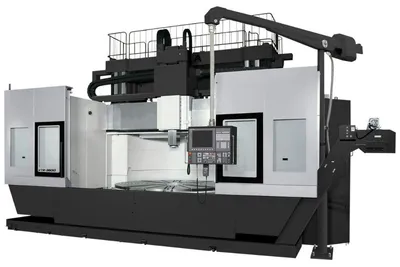
Other CNC Lathes / Turning Centers
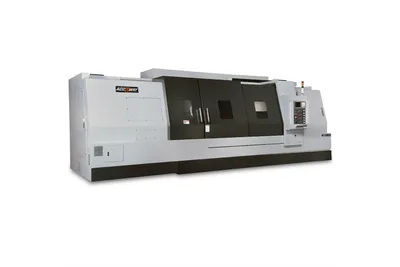
Accuway UT-400LX3
Johnford ST-70A
Hardinge Talent 8/52
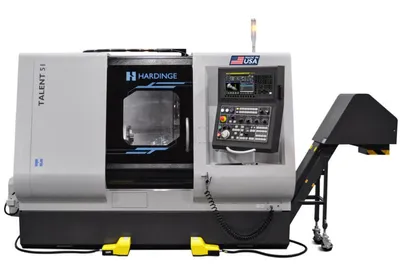
Hardinge Talent 42
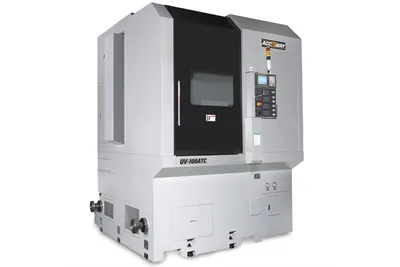
Accuway UV-100ATC