Okuma LOC500
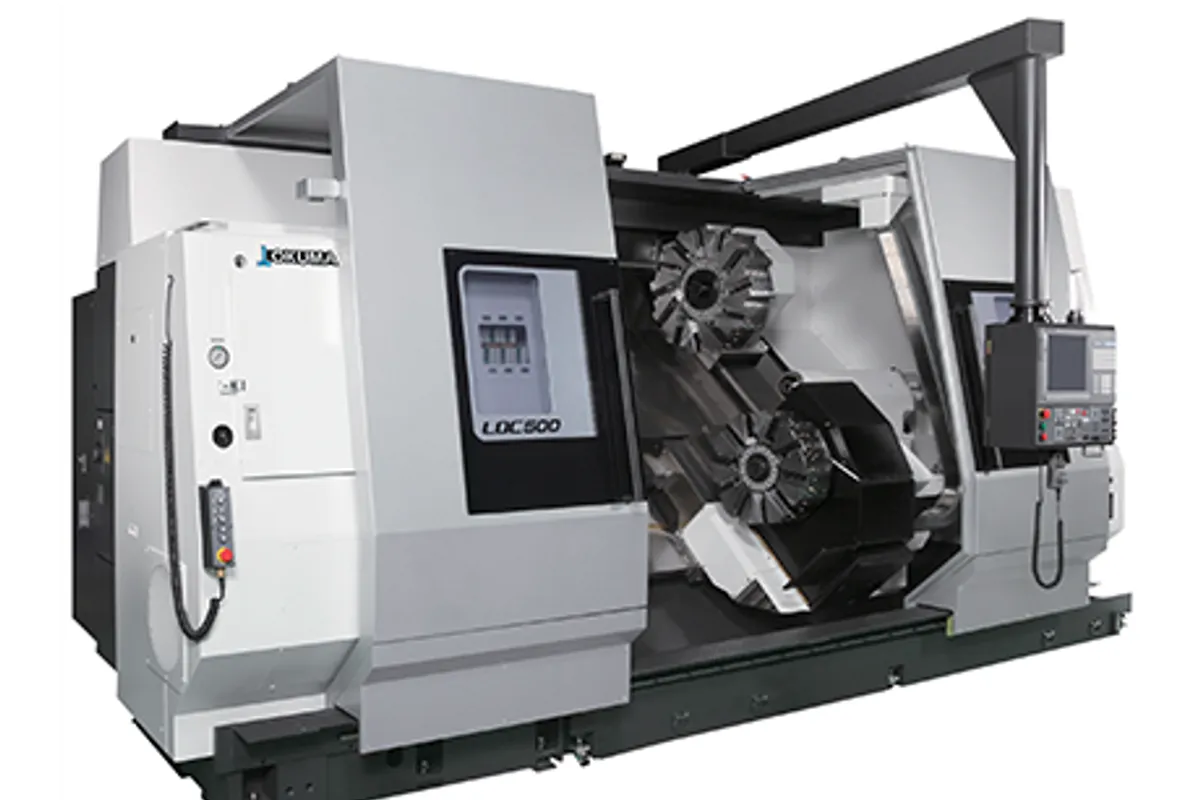
Image: d30jruhmdicmo0.cloudfront.net, Okuma
Key Specifications
Rapid Traverse
Spindle Power
max turning diameter
spindle nose
spindle speed
How much does the Okuma LOC500 cost?
Estimated price range
Our best estimate for a cnc lathes / turning center in this class — not a quote from Okuma. Configuration moves it a long way.
Overview
The Okuma LOC500 is an oil country lathe offered with three spindles, and the choice between them sets almost everything else on the machine. Okuma labels the variants 142, 185 and 275, shown as 5.59, 7.28 and 10.83 in on the inch side of the table. The 142 pairs a JIS A2-11 nose with 37/30 kW and 11 to 2,000 rpm. The 185 moves to a JIS A2-15 nose with 45/37 kW and 10 to 1,500 rpm. The 275 has a JIS A2-20 nose with 55/45 kW (74/60 hp) and 10 to 1,000 rpm.
Each step up trades speed for power and nose size: top speed halves from the 142 to the 275 while the rating rises from 37/30 to 55/45 kW. The labels read as one dimension given in millimetres and in inches. The table does not name it, so confirm what it measures, and the spindle bore, against your largest pipe size.
All three variants share a 660 mm (25.98 in) maximum turning diameter and a rapid traverse of 15 / 20 m/min (591 / 787 ipm). That is quicker than the LOC650, which lists 5 / 10 m/min (197 / 394 ipm) and a 500 rpm top speed. Okuma's headline table gives no turning length or Z travel for the LOC500, so that has to come from the full specification.
Full Specifications
| Parameter | Value |
|---|---|
| Max Turning Diameter | 660 mm (25.98 in) |
| Spindle Motor Power | 142: 37/30, 185: 45/37, 275: 55/45 kW (5.59”: 50/40, 7.28”: 60/50, 10.83”: 74/60 hp) |
| Spindle Nose | 142: JIS A2-11, 185: JIS A2-15, 275: JIS A2-20 |
| Rapid Traverse Rate | 15 / 20 m/min (591 / 787 ipm) |
| Spindle Speed | 142: 11–2,000; 185: 10–1,500; 275: 10–1,000 rpm (5.59”: 11–2,000; 7.28”: 10–1,500; 10.83”: 10–1,000 rpm) |
Specifications sourced from okuma.com — verified 2026-10-03
Strengths & Limitations
Strengths
- Three spindle variants (142, 185 and 275) let the nose, power and speed range be matched to the work
- The 142 variant runs 11 to 2,000 rpm, four times the 500 rpm top speed of the LOC650
- Up to 55/45 kW (74/60 hp) on the 275 variant with a JIS A2-20 nose
- Rapid traverse of 15 / 20 m/min (591 / 787 ipm) on every variant
Limitations
- The 275 variant is limited to 1,000 rpm and the 185 variant to 1,500 rpm
- Power and speed are tied to the spindle variant: the 142 has the highest speed but the lowest rating, 37/30 kW
- No turning length, Z travel or turret rows in Okuma's headline table for this model
Best For
Frequently Asked Questions
01
Three. The 142 variant has a JIS A2-11 nose with 37/30 kW and 11 to 2,000 rpm. The 185 variant has a JIS A2-15 nose with 45/37 kW and 10 to 1,500 rpm. The 275 variant has a JIS A2-20 nose with 55/45 kW (74/60 hp) and 10 to 1,000 rpm. The inch side of the table labels them 5.59, 7.28 and 10.83 in.
02
The LOC500 is the faster machine. Its rapid traverse is 15 / 20 m/min (591 / 787 ipm) and its spindles reach 1,000 to 2,000 rpm depending on the variant. The LOC650 lists 5 / 10 m/min (197 / 394 ipm), a 5 to 500 rpm spindle at 45/37 kW (60/50 hp) and 500 mm (19.7 in) of Z travel. Turning diameter is close: 660 mm (25.98 in) here against 650 mm (25.59 in) on the LOC650.
03
660 mm (25.98 in), on all three spindle variants. Okuma's headline table for this model does not give a turning length, a Z travel or a chuck size, so those need to be taken from the full specification sheet for the variant you choose.
More from Okuma
Other CNC Lathes / Turning Centers
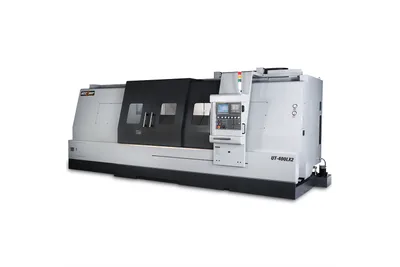
Accuway UT-400LX2
Johnford ST-60CX
Hardinge Talent 51
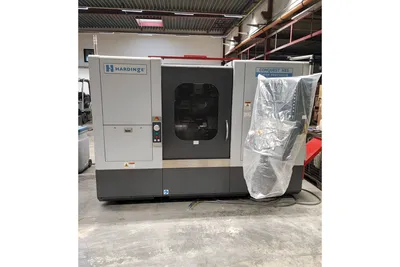
Hardinge Conquest H51
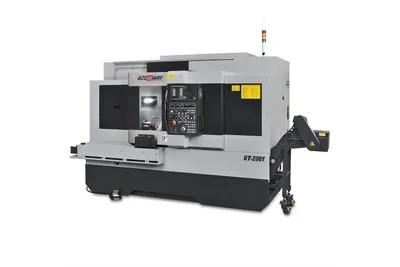
Accuway UT-200Y