Okuma 2SP-V40
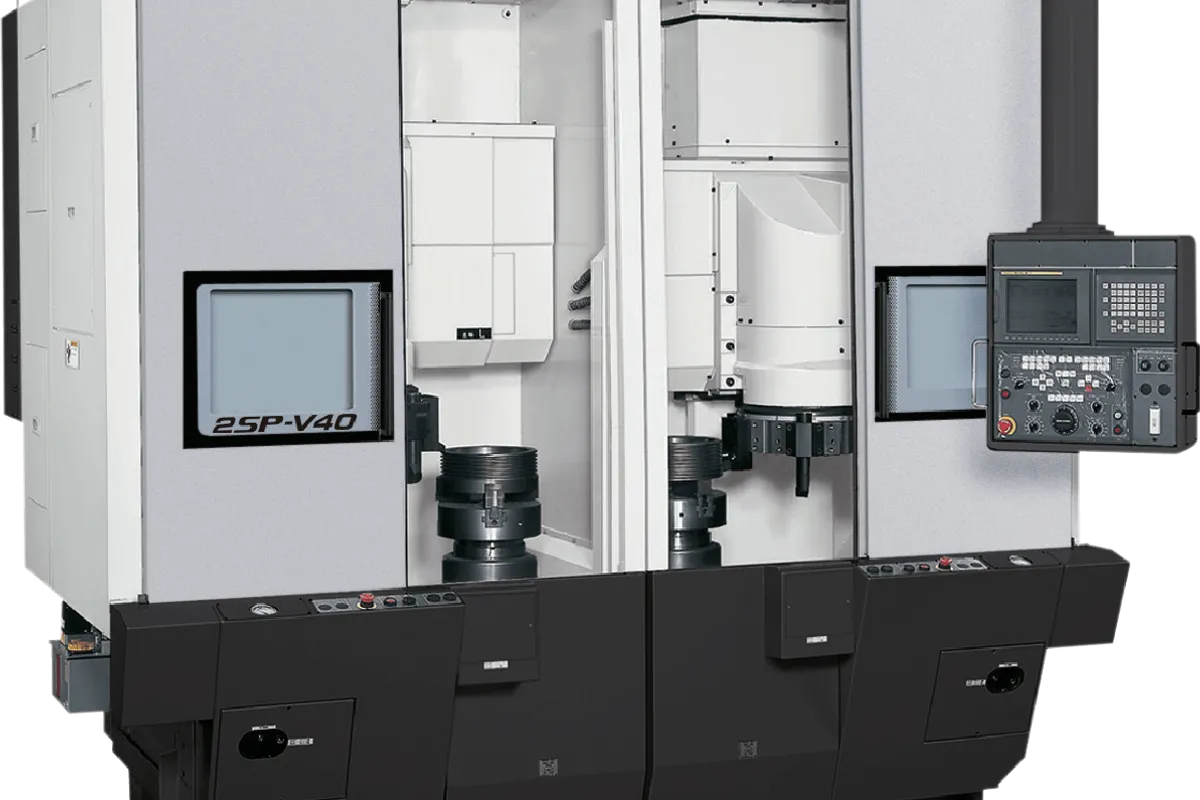
Image: d30jruhmdicmo0.cloudfront.net, Okuma
Key Specifications
Rapid Traverse
Spindle Power
Max Turn Length
max turning diameter
number of spindles
max swing
How much does the Okuma 2SP-V40 cost?
Estimated price range
Our best estimate for a cnc lathes / turning center in this class — not a quote from Okuma. Configuration moves it a long way.
Overview
The Okuma 2SP-V40 is a two-spindle vertical lathe for chuck work up to 400 mm (15.75 in) in turning diameter, with a 500 mm (19.69 in) swing and 450 mm (17.72 in) of turning length. Spindle power is 22/18.5 kW (30/25 hp) and the speed range is 25–2,500 rpm.
A ceiling of 2,500 rpm and a floor of 25 rpm describe a machine set up for diameter, not for speed. Discs, hubs and rings in the upper part of the 400 mm range reach normal cutting speeds well below the top of that range, and a vertical spindle lets such parts settle into the chuck under their own weight. Two spindles in one machine can split a part into first and second operations or run one operation twice over; the headline table does not say how parts pass between them, so ask about the loader and turnover arrangement.
The V40R lists the same 400 mm turning diameter, 500 mm swing, 450 mm turning length and 22/18.5 kW, along with 500 Nm (369 ft-lb) of spindle torque and a 381 mm (15 in) hydraulic chuck with a 457 mm (18 in) option. Okuma's table for the 2SP-V40 itself has no torque or chuck row, so confirm both for the two-spindle machine. Rapid traverse is 24 m/min (78.74 fpm).
Full Specifications
| Parameter | Value |
|---|---|
| Max Turning Diameter | 400 mm (15.75 in) |
| Spindle Motor Power | 22/18.5 kW (30/25 hp) |
| Number of Spindles | 2 (inverted vertical) |
| Rapid Traverse Rate | 24 m/min (78.74 fpm) |
| Max Swing | 500 mm (19.69 in) |
| Spindle Speed | 25–2,500 rpm |
| Max Turning Length | 450 mm (17.72 in) |
Specifications sourced from okuma.com — verified 2026-10-03
Strengths & Limitations
Strengths
- Two vertical spindles with 22/18.5 kW (30/25 hp) of spindle power
- 400 mm (15.75 in) maximum turning diameter inside a 500 mm (19.69 in) swing
- 450 mm (17.72 in) of turning length, more than the turning diameter, so tall parts are not ruled out
Limitations
- Spindle speed tops out at 2,500 rpm, which holds down surface speed on small diameters
- Turning diameter stops at 400 mm (15.75 in); the 2SP-V760EX goes to 760 mm (29.92 in)
- No chuck size or spindle torque is given in Okuma's headline table for this model
Best For
Frequently Asked Questions
01
Maximum turning diameter is 400 mm (15.75 in), maximum swing is 500 mm (19.69 in) and turning length is 450 mm (17.72 in). Chuck size is not in the headline table for this model, so the practical gripping range should be confirmed with Okuma.
02
The headline capacity figures match: the V40R also lists a 400 mm (15.75 in) turning diameter, a 500 mm (19.69 in) swing, 450 mm (17.72 in) of turning length and 22/18.5 kW (30/25 hp). The 2SP-V40 is listed with 2 spindles. The V40R table adds 500 Nm (369 ft-lb) of spindle torque and a 381 mm (15 in) hydraulic chuck, rows the 2SP-V40 table does not carry.
03
25–2,500 rpm, with spindle power of 22/18.5 kW (30/25 hp). The range suits large diameters. Small bores and faces near the center of a part will run below their ideal surface speed at 2,500 rpm, which is normal for a vertical lathe of this size.
Videos

MachineryNetwork
Comparisons
More from Okuma
Other CNC Lathes / Turning Centers
YCM NTC-2000LY
Johnford ST-200DH
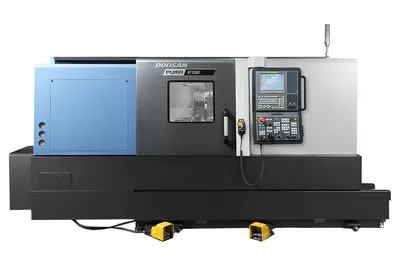
Doosan Puma GT 3100
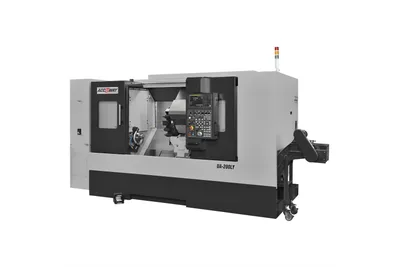
Accuway UA-200LY
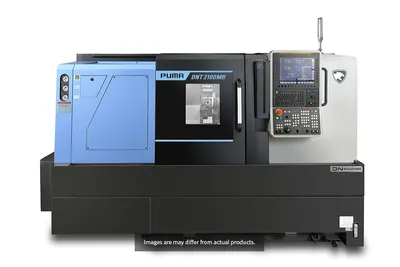
DN Solutions PUMA DNT 2100 M