Haas TL-1-EDU
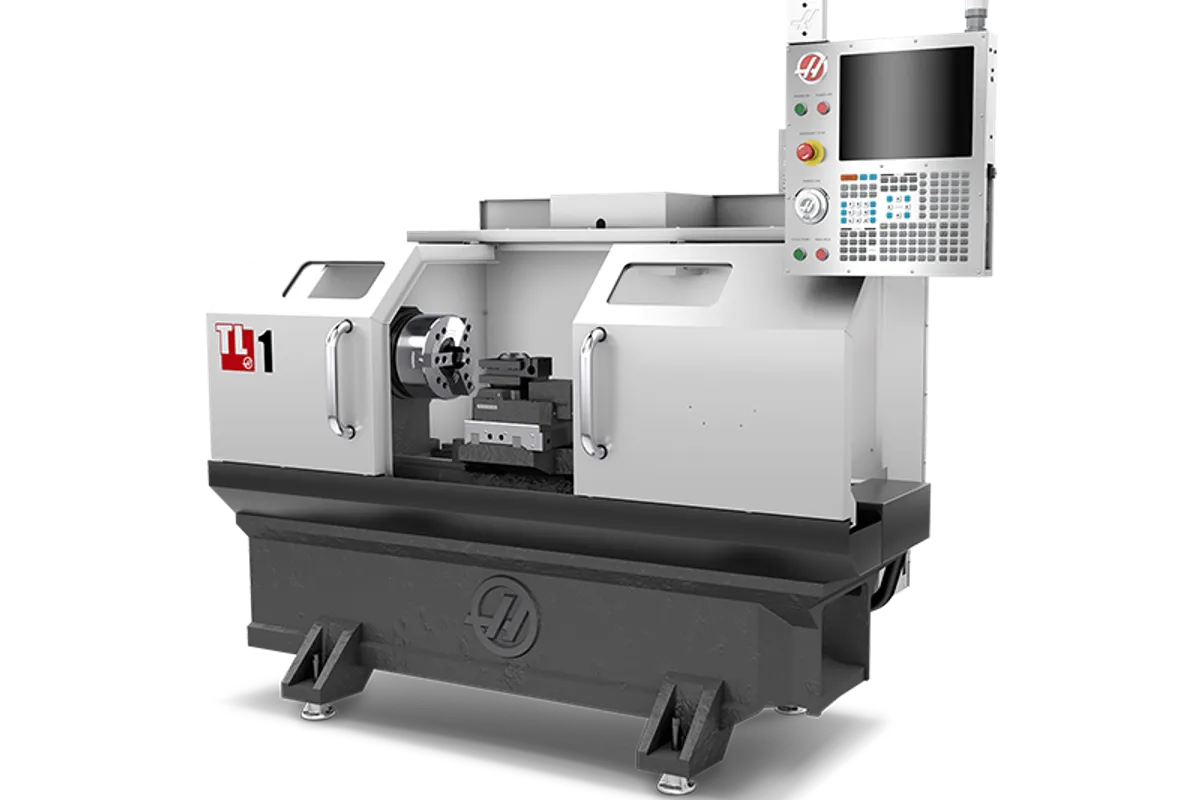
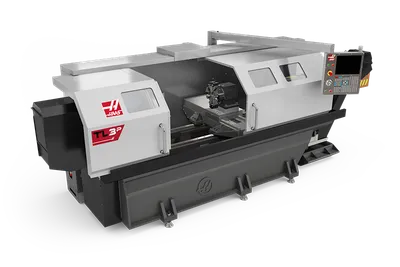
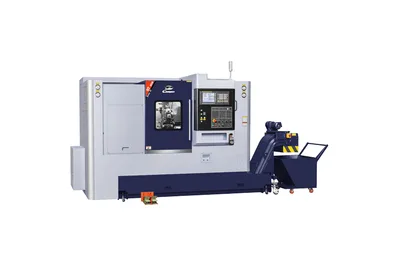
Image: haascnc.com, Haas Automation
Key Specifications
X Travel
Z Travel
Max Spindle
Rapid Traverse
Spindle Power
Max Turn Length
How much does the Haas TL-1-EDU cost?
Manufacturer list price
As published by Haas Automation, verified 2026-10-02. Options, tooling, freight and installation are extra.
Overview
The Haas TL-1-EDU is the EDU version of the TL-1 toolroom lathe, and its table carries the same working figures: a 16 in (406 mm) maximum turning diameter, 30 in (762 mm) of Z travel, 8 in (203 mm) of X travel and a 10 hp (7.5 kW), 1,800 rpm spindle. Haas's starting price is US$32,995.
Nothing in the cutting envelope separates the two. The TL-1 lists the same A2-5 nose, 2.3 in (58 mm) bore, 108 ft-lbf (146 N·m) at 355 rpm and 450 ipm (11.4 m/min) rapids. The table does not spell out what the EDU designation changes, so the equipment supplied and any conditions attached to ordering it are questions for Haas.
The spindle drive is given as direct speed, belt drive, with no gearbox row, so the 108 ft-lbf peak at 355 rpm is all the low-speed torque there is. Axis thrust is 3,894 lbf (17,321 N) on X and 1,947 lbf (8,661 N) on Z. The Z figure, half the X figure, is the one that limits centre drilling and heavy longitudinal cuts. This is a lathe for training, prototypes and light production cuts, not for hogging.
Maximum turning length is 30 in, and the table notes that it varies with workholding: a chuck and a centre both take length out of that figure. An 8 in (203 mm) chuck is listed as an option. With the four-station turret the turning diameter is 8 in, half of what is available otherwise. Swing is 20 in (508 mm) over the front apron and 11 in (279 mm) over the cross slide.
For a classroom or a small shop the services are simple: 220 VAC single-phase at 40 A, or three-phase at 25 A on 220 VAC or 13 A on 440 VAC, plus air at 80 psi (5.5 bar) minimum. The machine ships at 4,900 lb (2,230 kg) on a 92 × 69 × 87 in (234 × 175 × 221 cm) pallet, so check door openings and rigging against those figures.
Full Specifications
| Parameter | Value |
|---|---|
| Swing Over Front Apron | 20 in (508 mm) |
| Swing Over Cross Slide | 11 in (279 mm) |
| Chuck Optional | 8 in (203 mm) |
| Max Turning Diameter | 16 in (406 mm) |
| Max Turning Diameter with 4 Station Turret | 8 in (203 mm) |
| Max Turning Length | 30 in (762 mm) |
| Max Turning Length Varies with Workholding | 30 in (762 mm) |
| X-Axis Travel | 8 in (203 mm) |
| Z-Axis Travel | 30 in (762 mm) |
| Rapid Traverse Rate | 450 ipm (11.4 m/min) |
| Max Thrust X | 3,894 lbf (17,321 N) |
| Max Thrust Z | 1,947 lbf (8,661 N) |
| Spindle Nose | A2-5 |
| Spindle Drive | Direct Speed, Belt Drive |
| Spindle Motor Power | 10 hp (7.5 kW) |
| Max Spindle Speed | 1,800 rpm |
| Spindle Torque | 108 ft-lbf @ 355 rpm (146 N·m @ 355 rpm) |
| Spindle Bore | 2.3 in (58 mm) |
| Inline Air Hose | 3/8 in |
| Air Coupler | 3/8 in |
| Air Pressure Min | 80 psi (5.5 bar) |
| Electrical Single Phase | 220 VAC 1-phase, 40 A |
| Electrical Service (low voltage) | 220 VAC 3-phase, 25 A |
| Electrical Service (high voltage) | 440 VAC 3-phase, 13 A |
| Shipping Domestic Pallet | 92 × 69 × 87 in (234 × 175 × 221 cm) |
| Shipping Export Pallet | 92 × 69 × 87 in (234 × 175 × 221 cm) |
| Machine Weight | 4,900 lb (2,230 kg) |
Specifications sourced from haascnc.com — verified 2026-10-02
Strengths & Limitations
Strengths
- Same 16 in (406 mm) turning diameter and 30 in (762 mm) of Z travel as the TL-1
- Single-phase 220 VAC at 40 A is a listed supply, alongside two three-phase choices
- Belt-driven 10 hp (7.5 kW) spindle with 108 ft-lbf (146 N·m) at 355 rpm
- Ships at 4,900 lb (2,230 kg) on a 92 × 69 × 87 in (234 × 175 × 221 cm) pallet
- 450 ipm (11.4 m/min) rapids over 8 in (203 mm) of X and 30 in (762 mm) of Z
Limitations
- The table does not state what the EDU designation includes or who can order it; confirm with Haas
- Spindle speed stops at 1,800 rpm, where the TL-1P reaches 3,000 rpm
- Z thrust is 1,947 lbf (8,661 N), half the 3,894 lbf (17,321 N) on X
- The four-station turret halves the turning diameter to 8 in (203 mm)
Best For
Frequently Asked Questions
01
In the headline figures, none. Both list a 16 in (406 mm) maximum turning diameter, 30 in (762 mm) of turning length and Z travel, 8 in (203 mm) of X travel, an A2-5 nose with a 2.3 in (58 mm) bore, 10 hp (7.5 kW), 1,800 rpm and 108 ft-lbf (146 N·m) at 355 rpm. The table does not describe what the EDU designation changes, so ask Haas what is supplied and who can order it.
02
There are three supply choices: 220 VAC single-phase at 40 A, 220 VAC three-phase at 25 A, or 440 VAC three-phase at 13 A. Compressed air is needed at a minimum of 80 psi (5.5 bar), and the inline hose and coupler are both 3/8 in.
03
Machine weight is 4,900 lb (2,230 kg). The domestic and export pallets are the same size, 92 × 69 × 87 in (234 × 175 × 221 cm). Those are the shipping dimensions and not the installed floor space, so use them for doorways and rigging and ask Haas for the layout drawing.
04
Maximum spindle torque is 108 ft-lbf (146 N·m) at 355 rpm from a 10 hp (7.5 kW) belt-driven spindle. Maximum thrust is 3,894 lbf (17,321 N) on the X axis and 1,947 lbf (8,661 N) on the Z axis. Both axes rapid at 450 ipm (11.4 m/min).
05
Maximum turning length is 30 in (762 mm), the same as the Z travel. The table marks this figure as varying with workholding, so a chuck, long jaws or a centre reduce the usable length. An 8 in (203 mm) chuck is listed as an option.
Videos

Haas Automation, Inc.

Haas Automation, Inc.

Trian Georgeou

Brenden Chenoweth
Community Discussions
Comparison and buying advice
Links to community discussions. Summaries are editorial — visit the original thread for full context.
More from Haas Automation


Other CNC Lathes / Turning Centers

Takamaz XT-8
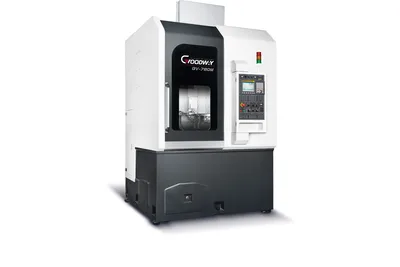
Goodway GV-780
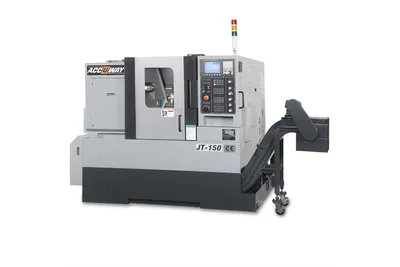
Accuway JT-150M
Johnford ST-130CX
Campro NT-208Y